



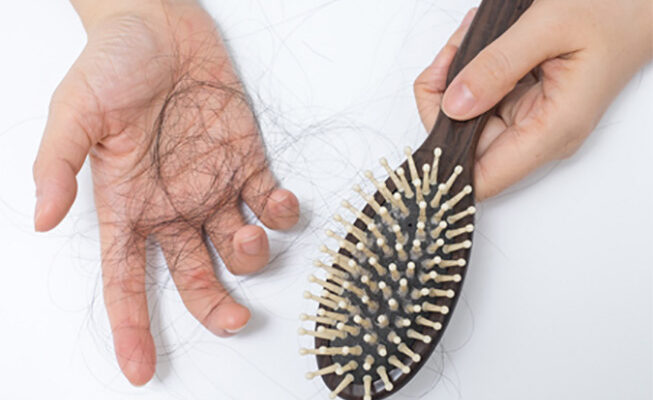
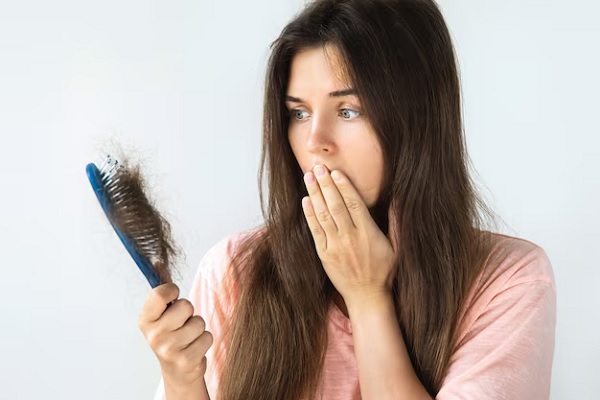
From the moment a woman conceives until the conclusion of the postpartum phase, numerous noteworthy hormonal and physical transformations occur in the mother’s body. A particularly conspicuous change happens at the capillary level. That leads to increased hair growth beyond the normal during pregnancy, followed by a subsequent hair fall after childbirth.
This latter occurrence is commonly referred to as “postpartum telogen effluvium.” It typically manifests three to four months following the baby’s delivery. In this article, we will discuss why hair falls after childbirth, explore the various factors that contribute to this phenomenon, and provide some tips for managing postpartum hair loss.
Postpartum Hair Loss
Hormonal Changes and Hair Loss During Pregnancy
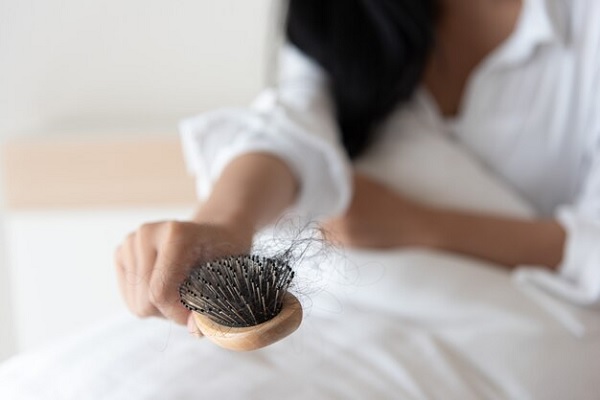
During pregnancy, an increase in estrogen leads to the development of hair follicles throughout the body. As this stage concludes, a hormonal shift occurs, causing the growth phase to cease and shedding numerous hair follicles within a few months. This hair loss is a temporary response in an expecting mother’s body and does not have a lasting impact.
However, it’s essential to note that certain conditions may arise post-delivery, contributing to or intensifying hair loss. One common occurrence is a decrease in blood iron levels. This is why healthcare professionals in maternity units often emphasize the importance of maintaining a well-rounded iron-rich diet. In some instances, they recommend incorporating vitamin supplements to facilitate a swift recovery after the strenuous process of childbirth.
It’s important to remember that the hair shed during the postpartum recovery period is temporary. Typically, it undergoes a gradual restoration, ultimately returning to its pre-pregnancy state within a year. Following the peak shedding phase, which occurs between 4 and 6 months after delivery, hair undergoes a regeneration process. This way, it achieves its original condition within twelve months.
Preexisting Diseases
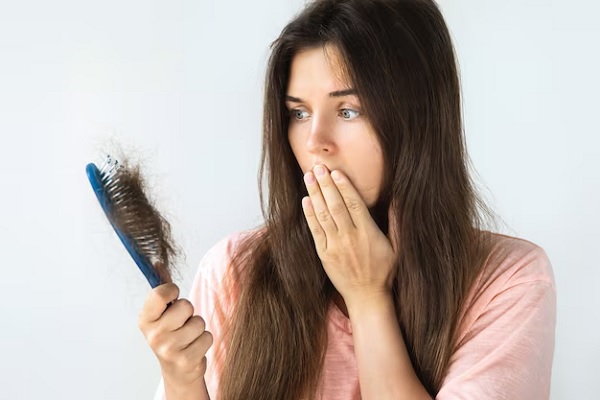
A notable increase in maternal hair loss is often linked to thyroid issues, specifically hyperthyroidism or hypothyroidism. These disorders, stemming from thyroid gland irregularities, result in noticeable hair loss, which can only be addressed through doctor-recommended treatments. Experts assert that hair dye is absolutely safe during and after pregnancy, devoid of detrimental effects on hair health throughout the childbearing journey and postpartum period.
However, it is crucial to confirm the potential repercussions of using a permanent synthetic hair dye. Ensure it lacks elevated concentrations of substances like monoethanolamide or hydrogen peroxide, as their presence may impact the health of our hair. Furthermore, it is essential to verify the absence of other components, such as paraphenylenediamine, in the hair dye. While this particular ingredient poses no threats to pregnancy or post-childbirth recovery, it could influence hair growth.
Causes of Hair Fall After Childbirth
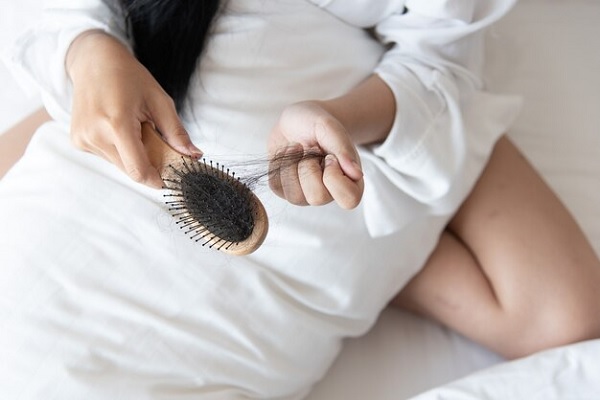
Experiencing hair fall after childbirth can be a common concern for many new mothers. Understanding the causes behind postpartum hair loss is crucial in addressing this issue effectively. Let’s explore the various factors that contribute to hair fall after childbirth and how to manage this natural occurrence.
Hormonal Changes
- Estrogen Fluctuations Post-Pregnancy: The significant drop in estrogen levels following childbirth is key in triggering hair loss. This hormonal decline contributes to changes in the hair growth cycle, leading to increased shedding.
- Impact of Progesterone: Besides estrogen, the hormone progesterone, which rises during pregnancy, can also influence postpartum hair loss. As these hormone levels normalize after childbirth, it can contribute to hair shedding.
- Prolactin’s Influence: Prolactin, another hormone associated with pregnancy and breastfeeding, can impact hair health. Changes in prolactin levels post-pregnancy may contribute to the onset of hair loss.
Stress and Fatigue
Psychological factors such as stress and fatigue are crucial in postpartum hair loss. The stress hormone cortisol, when elevated, can disrupt the normal hair growth cycle, leading to increased hair fall.
Nutritional deficiencies
Insufficient intake of critical nutrients can have discernible impacts on various aspects of health, with nutritional deficiencies being a prominent concern. Let’s delve into specific deficiencies that can significantly affect well-being:
Iron Deficiency
Iron is a crucial mineral for the body, playing a central role in producing hemoglobin, the protein responsible for transporting oxygen in the blood. When there is an inadequate supply of iron, it can lead to iron deficiency anemia. Symptoms may include fatigue, weakness, pale skin, and shortness of breath. It’s imperative to incorporate iron-rich foods such as lean meats, legumes, and dark leafy greens into one’s diet. In severe cases, iron supplements might be recommended under the guidance of a healthcare professional.
Vitamin D Deficiency
Vitamin D is vital for bone health as it facilitates calcium absorption. A deficiency in this vitamin can result in weakened bones, muscle pain, and an increased risk of fractures. Exposure to sunlight is a natural source of vitamin D, and dietary sources include fatty fish, fortified dairy products, and certain cereals. Individuals with limited sun exposure or specific medical conditions may require vitamin D supplements to maintain optimal levels.
Biotin Deficiency
Biotin, also known as vitamin B7, is essential for metabolizing carbohydrates, fats, and proteins. A biotin deficiency can manifest as brittle nails, hair loss, and skin issues. Individuals can consume foods rich in this vitamin to address biotin deficiency, such as eggs, nuts, seeds, and certain vegetables. Biotin supplements may be considered for those with a clinically confirmed deficiency or specific health conditions affecting biotin absorption.
Regular monitoring of nutritional status and consulting with healthcare professionals for personalized advice are crucial steps in preventing and addressing these deficiencies. A well-balanced diet, fortified foods, and, if necessary, targeted supplements can play pivotal roles in maintaining optimal nutritional levels and overall health.
Medical conditions
Various medical conditions can contribute to increased hair loss, and it’s important to understand their specifics for a comprehensive understanding.
- Thyroid Problems: One significant cause of heightened hair loss is thyroid dysfunction, encompassing both hyperthyroidism and hypothyroidism. These disorders stem from irregularities in the thyroid gland, leading to noticeable hair loss. Hyperthyroidism involves an overactive thyroid, while hypothyroidism involves an underactive thyroid. The impact on hair health is considerable, necessitating specialized treatments prescribed by healthcare professionals to address the underlying thyroid issues.
- Alopecia Areata: Another condition to consider is alopecia areata, an autoimmune disease that targets hair follicles and results in hair loss. In this condition, the body’s immune system mistakenly attacks its own hair follicles, causing hair to fall out in small, round patches. The extent and pattern of hair loss can vary, making it crucial to explore targeted treatment options that may include corticosteroids, immunotherapy, or other interventions depending on the severity of the condition.
- Telogen Effluvium: Telogen effluvium is a temporary hair loss condition caused by a disruption in the hair growth cycle. It often occurs after a significant stressor, such as childbirth, surgery, or a traumatic event. During telogen effluvium, a larger-than-usual number of hair follicles enter the resting phase, increasing shedding. Understanding the specific triggers and addressing the underlying stressors are vital in managing and resolving this type of hair loss.
Timeline and Duration
Postpartum hair loss commonly initiates within 2 to 4 months following delivery, marking the onset of this physiological phenomenon. It reaches its zenith approximately between 3 to 6 months postpartum, signifying the peak phase of hair shedding during this particular cycle. The duration of this natural process spans an average period of 6 to 12 months, encompassing the entire trajectory from initiation to gradual resolution.
It is crucial to note that the outlined timeline serves as a general guideline, and individual experiences may exhibit variations. Factors such as hormonal fluctuations, genetic predispositions, and overall health can contribute to each individual’s unique patterns and durations of postpartum hair loss. Therefore, understanding the nuanced aspects of this timeline aids in appreciating the diversity of experiences among new mothers during this phase.
Effective Strategies for Hair Management
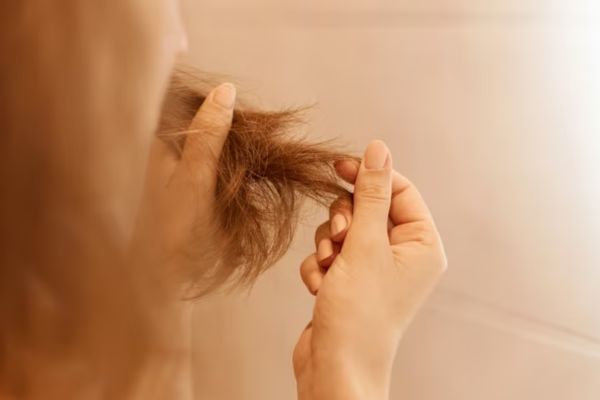
Taking care of your hair is important to maintain its health and appearance. Here are some effective strategies for hair management:
Adopt a Gentle Hair Care Routine
Incorporating a gentle and mindful approach to your hair care routine can significantly contribute to the overall health of your hair. This includes using mild shampoos and conditioners, avoiding excessive heat styling, and being cautious with brushing to minimize hair breakage.
Embrace Scalp Massages
Integrate regular scalp massages into your routine. Massaging the scalp promotes blood circulation and stimulates hair follicles, potentially enhancing hair growth. Use natural oils like coconut or jojoba oil during these massages for nourishment.
Prioritize a Healthy Diet and Supplementation
The role of nutrition in maintaining healthy hair cannot be overstated. Ensure your diet is rich in essential nutrients such as vitamins A, C, and E, as well as biotin and omega-3 fatty acids. Additionally, consult with a healthcare professional to determine if supplementation is necessary to address any nutrient deficiencies for hair fall after childbirth.
Effectively Manage Stress
Chronic stress can contribute to hair loss, so implementing stress-management techniques is crucial. To alleviate stress, explore activities such as meditation, yoga, or deep breathing exercises. Creating a balanced and calm environment in your daily life can positively impact your mental well-being and hair health.
Explore Hair fall after childbirth Treatments with Professional Guidance
If hair loss persists, consult a healthcare professional or dermatologist for personalized advice. They can assess the underlying causes and recommend suitable treatments, such as topical solutions, medications, or other therapeutic interventions. Following their guidance is important for the most effective and safe results.
By incorporating these detailed management tips into your routine, you can promote a comprehensive approach to hair care that addresses external and internal factors contributing to hair health.