




Hair transplant in women without shaving is becoming an increasingly popular choice for those seeking discreet and effective solutions to hair loss. Hair loss affects both men and women, but it can be especially distressing for women due to societal expectations surrounding appearance and femininity. The option of undergoing a hair transplant without shaving offers privacy, comfort, and maintains the integrity of existing hairstyles, making it ideal for many women. Now, many patients are turning to a London hair transplant clinic for modern techniques that are minimally invasive and tailored to female needs.
In recent years, advancements in hair restoration have introduced refined procedures such as FUE hair transplant, which minimizes scarring and avoids the need to shave large portions of the scalp. This method not only offers precision but also allows a natural-looking outcome, which patients can observe clearly in hair transplant before and after comparisons. These innovations have made it easier for women to access treatment that blends seamlessly with their lifestyle and aesthetic preferences.
Moreover, understanding hair transplant expenses is essential when considering this type of treatment. Costs can vary depending on the clinic, technique used, and the number of grafts needed. Clinics specialising in female patients often provide tailored consultations to explain both pricing and expectations in detail. With growing awareness, more women are taking control of their hair restoration journey confidently and without compromising their appearance. This article explores the benefits, techniques, and considerations of hair transplant in women without shaving, a method that continues to transform lives while preserving discretion and beauty.
Non-invasive hair transplant in women without shaving techniques
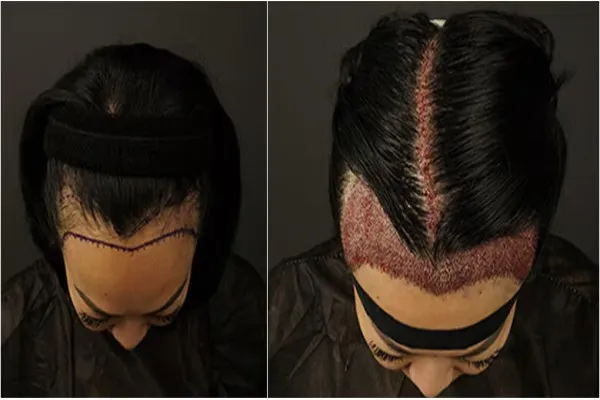
For many women, finding discreet and effective hair restoration solutions has led to the rise of innovative methods such as the hair transplant in women without shaving. This advanced approach delivers natural results without the need to shave the scalp, making it an ideal option for those who wish to maintain their appearance throughout the process. With the evolution of non-invasive technology, more women now have access to safe and efficient treatments that respect both their privacy and aesthetics. The main benefit of these techniques is that they preserve a woman’s appearance while delivering excellent results.
Today, methods like the FUE hair transplant and PRP therapy are leading the way in this transformation. These modern solutions not only eliminate the need for shaving but also offer faster recovery and minimal discomfort. The hair restoration for women without shaving is redefining the field of female hair restoration, offering comfort and effectiveness to those seeking to improve their hair without undergoing aggressive procedures.
1- Direct Hair Implantation (DHI)
DHI is a cutting-edge hair transplantation method that allows for the extraction and implantation of follicles without shaving the scalp. This procedure uses a specialised tool known as the Choi pen, which creates micro-incisions and simultaneously inserts the hair follicles. The Choi pen enables precise control, reducing scarring and supporting quicker recovery. The result is a natural-looking outcome with minimal disruption, making DHI particularly suitable for women who want to maintain discretion.
2- Robotic Hair Transplantation
Robotic hair transplantation is another non-invasive alternative that removes the need to shave the donor area. This technique uses state-of-the-art robotic systems to harvest hair follicles with high accuracy, minimising trauma to the skin. Once extracted, the follicles are implanted into thinning areas, providing a smooth and almost invisible result. This technology-driven approach ensures both precision and patient comfort.
3- Platelet-Rich Plasma (PRP) Therapy
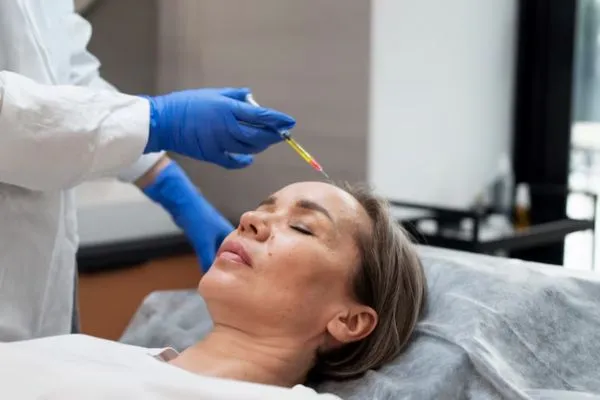
PRP therapy is a non-surgical method that promotes hair regrowth using the patient’s own platelet-rich plasma. A small amount of blood is drawn and spun in a centrifuge to separate the plasma, which is then injected into the areas affected by hair thinning. Rich in growth factors, the plasma helps stimulate natural hair regeneration. As no incisions or shaving are involved, PRP therapy is a highly appealing choice for women seeking a gentle and natural solution.
How is the hair loss in women?
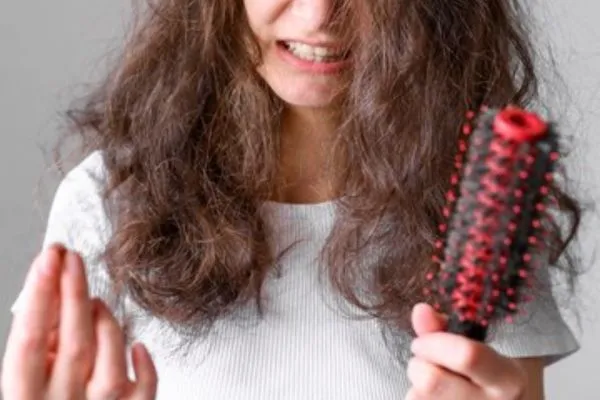
Hair restoration for women without shaving has become an increasingly sought-after solution for those experiencing noticeable thinning or patchy hair loss. In women, hair loss can result from a wide range of causes that weaken hair follicles over time, leading to progressive thinning, especially along the parting or crown. Female pattern hair loss, or androgenetic alopecia, is the most common type, and it typically manifests as diffuse thinning rather than receding hairlines. It is essential to diagnose the root cause to determine the most effective treatment approach.
One of the most discreet and effective methods available today is the discreet hair transplant for women, which offers a minimally invasive procedure while preserving the patient’s natural appearance. Unlike traditional techniques, this approach does not require the head to be shaved, making it particularly appealing to women who wish to avoid a drastic change in their look. The technique involves harvesting and implanting individual follicles with precision, allowing for a seamless blend with existing hair.
This method is ideal for treating specific thinning areas and offers natural, long-lasting results with minimal downtime. Before the procedure, a thorough evaluation is crucial to assess the scalp, identify the type of hair loss, and determine the suitability of the donor area. By choosing this advanced technique, women can address hair loss confidently while maintaining their personal style and privacy.
The evolution of hair transplantation techniques
Traditional hair transplantation techniques, such as Follicular Unit Transplantation (FUT) and Follicular Unit Extraction (FUE), require shaving the donor area to harvest healthy hair follicles. This approach has been widely successful in treating male pattern baldness and severe hair loss in women, but it comes with some limitations for female patients. The shaved donor area can be difficult to hide, leading to self-consciousness and anxiety in women who may not wish to disclose their procedure publicly.
In response to these concerns, medical professionals and researchers have worked tirelessly to develop non-invasive hair transplant techniques that avoid the need for shaving. These innovative methods provide a discreet and viable option for women seeking to address their hair loss without compromising their existing hair.
Concerns before hair transplantation in women without shaving
Opting for a hair transplant in women without shaving can be a discreet and confidence-boosting solution for those seeking to restore volume and thickness. However, before undergoing this advanced procedure, it’s essential to understand the factors that influence its success. Every case is different. Women considering this treatment should assess their hair loss pattern, health status, and desired results carefully. Proper knowledge helps to avoid unrealistic expectations.
Choosing the right specialist is essential for long-term success, especially when opting for procedures that preserve existing hair. Clinics that specialise in minimally invasive methods—such as London hair transplant clinics—can provide customised solutions based on each patient’s needs. Ultimately, understanding these factors helps determine whether a hair transplant without head shaving in women is the best course of action.
1- Degree of hair loss
Non-invasive transplantation techniques are typically suitable for women experiencing mild to moderate hair thinning rather than complete baldness. This is because the method relies on strategically placing grafts between existing hairs, which works best when some natural density remains. Women with more advanced hair loss may require traditional procedures involving shaving to achieve sufficient coverage and density.
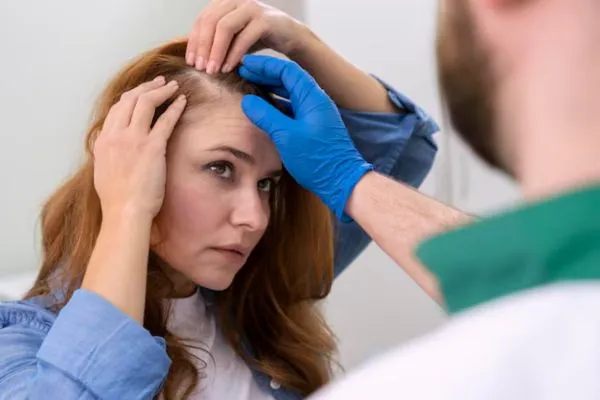
In such cases, consulting a reputable hair transplant clinic is highly recommended. Specialists can assess the severity of hair loss using diagnostic tools and recommend the most effective technique. By matching the right method to the degree of hair thinning, patients are more likely to achieve results that look natural and last long-term.
2- Patient expectations
Managing expectations plays a key role in overall satisfaction with the results. While non-shaving transplants offer a discreet recovery, they might not produce dramatic transformations immediately. Patients should understand that visible improvements are typically gradual and may require several months to become noticeable. Multiple sessions could also be needed to reach full density.
It’s vital to keep in mind that results vary between individuals. Factors such as hair texture, scalp condition, and donor area strength can all impact the outcome. Open communication with the specialist during consultations helps set realistic goals and avoid disappointment in the long run.
3- Qualified hair restoration specialist
The success of any hair transplant depends heavily on the expertise of the medical team involved. Choosing a surgeon who is well-versed in non-shaving techniques ensures both the safety and effectiveness of the procedure. The right professional will evaluate whether this method suits the patient’s hair type, pattern of loss, and expectations.
Make time to research and visit multiple clinics where you can often access advanced technologies and experienced practitioners. Don’t hesitate to ask for before-and-after images, credentials, and client testimonials. These details can significantly influence your confidence in proceeding with the treatment.
4- Post-operative care
After undergoing a hair transplant, following post-operative instructions is crucial to encourage healthy graft growth and avoid complications. This includes gentle washing routines, avoiding direct sun exposure, and refraining from strenuous activities that could irritate the scalp. Proper aftercare is essential for the transplanted follicles to take root successfully.
Patients should also attend scheduled follow-up appointments to monitor healing progress and address any concerns. Most importantly, ongoing support from the clinic and adherence to care guidelines can significantly improve the overall outcome. High-quality service from a hair transplant clinic often includes comprehensive aftercare support to ensure long-lasting, natural-looking results.
Advantages of hair transplant in women without shaving
Hair transplant in women without shaving has become increasingly popular due to its discreet and patient-friendly nature. It eliminates the need to shave the head, which is often a major concern for many female patients considering the procedure. This technique is particularly beneficial for those who wish to maintain their existing hairstyle and continue with everyday life without drawing attention. Shaveless hair transplant for women also tends to involve fewer grafts, which can result in lower hair transplant expenses compared to more extensive treatments.
This method offers a combination of aesthetic and psychological advantages. It ensures that patients can return to their routines with minimal disruption. Moreover, because it avoids a fully shaved scalp, it significantly reduces social anxiety related to the visible signs of surgery. Patients also report feeling more confident throughout the healing process. By preserving their natural look, women can discreetly undergo the treatment while still achieving effective results. At the same time, this technique supports budgeting needs, as it may lower hair transplant expenses when fewer follicles are needed.
1- No need for shaving
In a complete unshaven hair transplant, there is no requirement to shave the patient’s head, unlike other procedures. This benefit is particularly appealing to women who are concerned about maintaining their appearance after surgery. The ability to undergo treatment without altering your hairstyle makes this technique especially attractive to women seeking subtle results. It’s also a relief for those with professional or social commitments, as they can return to their activities quickly and confidently. The technique offers a high degree of discretion, preserving the natural hairline and existing hair length.
Additionally, many clinics have started to specialise in unshaven procedures, making this option more accessible. Technological advancements now allow for precise follicle extraction without shaving. This not only ensures comfort during the operation but also significantly reduces visible trauma in the treated areas. Furthermore, this approach has been linked to a more comfortable healing process and better compliance among female patients.
2- Shorter hair length
For this method, the patient should have long hair similar to the partially shaved hair transplant, but the required length can be as short as 6–7 cm. This length is usually sufficient to cover the donor area after the procedure, which enhances privacy during recovery. It also means that women with shorter hairstyles can still be eligible for the technique. In contrast with other options, this feature allows greater flexibility when deciding to pursue treatment.
Having a shorter hair requirement helps patients avoid drastic changes to their appearance. It also makes the preparation for surgery more manageable, especially for those with medium-length hair. Many patients find this detail convenient, particularly when considering time and aesthetic factors.
3- Minimal visibility of post-operative scabs
The scabs and crusts that form in the donor area after the procedure will hardly be noticeable, contributing to a more discreet recovery process. This aspect is important for women who are concerned about returning to work or public activities shortly after the transplant. The reduced visibility of post-operative marks also helps to protect patient privacy, which is a significant emotional benefit.
Since less trauma is caused to the scalp during the procedure, healing tends to be faster and smoother. There’s also a reduced chance of itching and irritation in the donor area. Patients can comfortably resume their daily routines with confidence. A more subtle recovery means fewer questions from others and greater peace of mind. Combined with the potential for decreased hair transplant expenses, this adds practical value to the unshaven approach.
4- Faster overall recovery
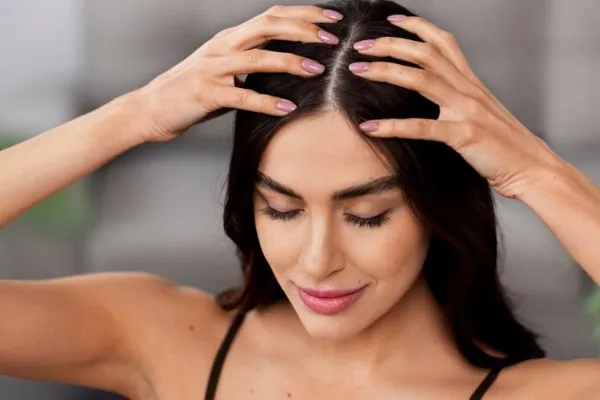
As fewer grafts are transplanted compared to other methods, the overall recovery time for the patient can be shorter. This results in a quicker return to normal activities and a reduced need for post-operative care. Many patients appreciate that they do not have to take extended time off work or social engagements. This makes the treatment more accessible for busy individuals.
The efficiency of the healing process also contributes to better long-term outcomes, with less downtime and discomfort. Additionally, because fewer areas of the scalp are affected, the risk of complications is reduced.
Disadvantages of a hair transplant in women without shaving
Opting for an on-shaven FUE for women can be appealing due to its discreet nature. However, it’s essential to consider several downsides before making a final decision. This technique, although effective in skilled hands, carries certain limitations that may not make it the ideal solution for everyone. Understanding these disadvantages will help patients make an informed choice.
Although the results can be impressive, women must weigh the challenges associated with this procedure. Each stage, from the surgery itself to the recovery period, involves specific demands and potential setbacks that differentiate it from traditional hair transplants.
1- Demanding and precise procedure
A no-shave hair transplant for women is significantly more demanding for the medical team. The process requires inserting grafts between existing hairs, which makes precision crucial to avoid damaging the surrounding follicles. Every movement must be deliberate and steady to ensure natural-looking results without causing further hair thinning.
This procedure demands exceptional skill from the surgeon to deliver optimal results without complications. Because of this, patients should seek out clinics with proven experience in unshaved transplants to increase the likelihood of success. Not every specialist is equally trained in this method, so careful selection is vital for ensuring safety and outcome.
2- Advancements in the technique
Initially, unshaved hair transplants allowed only a limited number of grafts per session, which restricted coverage. However, with continuous improvements in the DHI method, surgeons can now extract and implant more grafts in a single procedure. This means fuller results and better satisfaction for women seeking a natural outcome.
Thanks to technological advances, women now have access to fuller coverage through unshaved procedures. These developments contribute to more impressive transformationss. Nevertheless, it’s important to acknowledge that not all clinics offer the latest techniques, so verification is essential.
3- Temporary transplanted hair loss
One of the most concerning aspects for many women is the temporary shedding that occurs after the transplant. Around the second to fourth week post-surgery, the implanted grafts typically fall out before the new hair growth cycle begins. This is a normal reaction, but it can cause emotional discomfort if not anticipated.
The initial hair loss after the surgery is normal and temporary, making room for new growth. Patients should prepare for this phase and remain patient, knowing that new, stronger hair will begin to grow within a few months. This timeline is essential to understand when reviewing hair transplant before and after comparisons.
4- Longer procedure duration
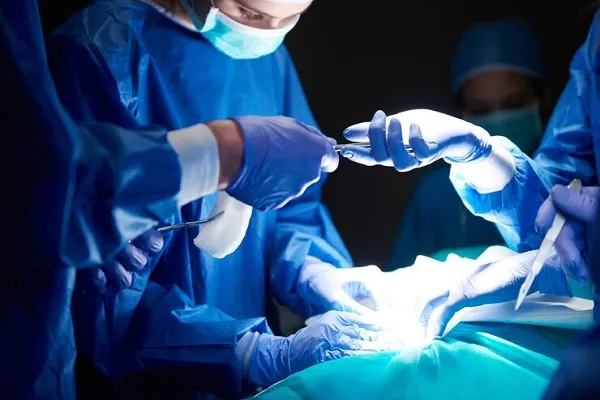
Compared to traditional transplants, the unshaven method, particularly DHI, requires significantly more time to complete. Since every graft must be inserted meticulously among existing hair, the overall session length can extend several hours or even multiple days for high graft counts.
The unshaved technique requires more time, but it preserves the existing hairstyle throughout the process. For many women, the benefit of maintaining their hair length and style outweighs the inconvenience of a prolonged session. However, scheduling flexibility is necessary, and patients should plan accordingly.
5- Higher cost
Due to the complexity and specialised nature of this technique, the cost of a unshaven hair transplant for women is typically higher than that of conventional methods. Surgeons require more time, effort, and tools to complete the procedure, which increases the total expense.
Unshaven hair transplants come at a premium, reflecting the skill and precision involved in the process. While this may deter some patients initially, the ability to undergo the surgery discreetly without shaving can be invaluable. Evaluating the long-term aesthetic benefits against the financial investment is essential when choosing this option.
Women Hair Transplant Turkey Cost 2026
Women’s hair transplant in Turkey in 2026 generally costs between $1,800 and $5,000 per procedure, depending on the clinic, the number of grafts needed, and the surgeon’s experience. On average, most patients pay around $2,800–$3,500 for a full transplant that restores natural hair density.
Conclusion
Hair transplant in women without shaving offers a game-changing solution for women seeking to restore their hair without compromising their appearance. This innovative technique stands out for its discretion, allowing patients to maintain their hairstyle throughout the process. It addresses not only physical concerns but also emotional well-being, offering women the opportunity to regain confidence without visible signs of surgery.
However, success with this method depends greatly on selecting the right specialist and clinic. Personalised evaluations, detailed consultations, and a tailored approach are essential to ensuring the desired outcome. Patients must be aware of key factors such as the extent of hair loss, the strength of the donor area, and their long-term expectations.
It’s also important to be realistic about the disadvantages. Still, these considerations are often outweighed by the long-term benefits. Women who choose this method often find it worth the investment for the subtlety, natural-looking results, and overall satisfaction it provides.
If you’re interested in exploring the benefits of hair transplant in women without shaving, we invite you to visit capilclinic.uk. Our expert team is ready to provide you with personalised advice and world-class treatment options tailored to your needs. Discover how this discreet and effective solution can restore not just your hair, but your confidence too.