



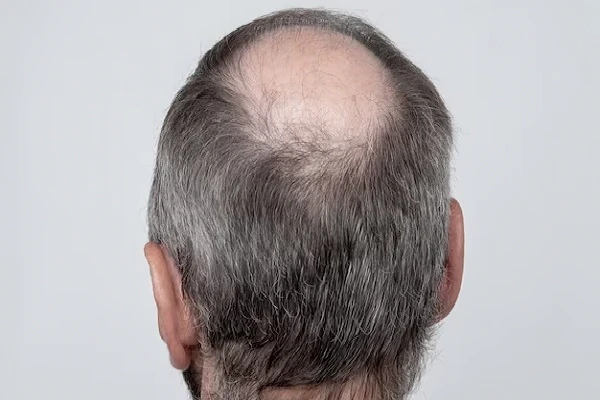
It’s essential to notice the early signs of hair weakening and thinning, as they could be signs of androgenetic alopecia. Seeking advice from a specialist is crucial to prevent the progression of baldness. This hereditary form of baldness affects 8 out of 10 men and 4 out of 10 women. There is a treatment for androgenetic alopecia, which becomes more prevalent with age due to hormonal imbalances.
Men typically experience increased hair loss after age forty, while women may experience it more intensely after menopause. If left untreated, hair loss can advance and affect the entire scalp, starting with frontal and crown regions in men and reducing overall hair density in women. Timely treatment offers a chance for reversal, but a delayed diagnosis may result in a capillary transplant being the only viable solution. Therefore, it’s advisable to consult a specialist promptly to address any concerns.
Causes of Androgenetic Alopecia
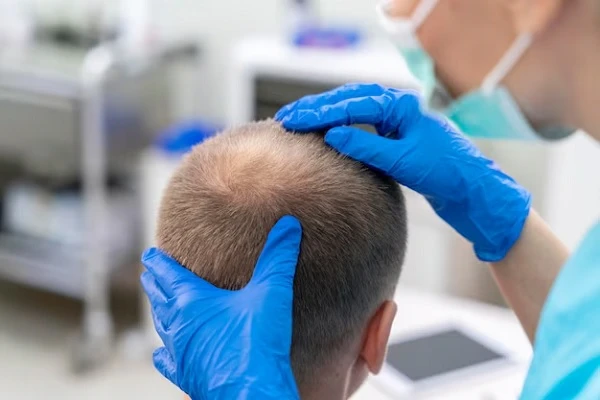
Androgenetic alopecia, commonly known as male-pattern baldness or female-pattern baldness, has various contributing factors. The primary cause is genetic predisposition, as the condition tends to run in families. Specifically, a hereditary sensitivity to androgens, the male hormones, plays a pivotal role. Hormonal changes also contribute to androgenetic alopecia. In men and women, an imbalance in androgen levels, such as an excess of dihydrotestosterone (DHT), can lead to hair follicle miniaturization.
Age is another significant factor. Androgenetic alopecia often manifests as individuals age, with the likelihood increasing over time. Hair loss progression is more common in later stages of life. Other factors that may influence the development of androgenetic alopecia include certain medical conditions, medications, and environmental factors. Chronic illnesses, hormonal disorders, and drugs that interfere with hormone levels can contribute to hair loss. Additionally, exposure to environmental stressors may exacerbate the condition in individuals genetically predisposed to androgenetic alopecia.
Symptoms of Androgenetic Alopecia
Androgenetic alopecia presents a range of detailed symptoms that may differ between men and women. These nuanced indicators include:
- Gradual Thinning of Hair: One of the initial signs is the slow and progressive thinning of hair, particularly noticeable at the crown or top of the scalp. This subtle thinning often occurs over an extended period, making it imperative to observe long-term changes.
- Receding Hairline (Men): Men commonly experience a receding hairline, marked by the hairline at the forehead moving backward. This characteristic pattern distinguishes male-pattern baldness.
- Widening of the Part (Women): Women may observe a widening part along the scalp as their hair becomes progressively thinner. This widening part is a distinctive feature of female-pattern baldness.
- Miniaturization of Hair: Affected hair follicles undergo a process known as miniaturization, causing individual hair strands to become finer and shorter over time. This microscopic transformation contributes to the overall thinning of the hair.
- Increased Shedding: Individuals with androgenetic alopecia often experience heightened hair shedding during routine activities such as washing or combing. This increased shedding is a consequence of weakened hair shafts and compromised follicles.
- Bald Patches or Baldness (Advanced Stages): In advanced stages, the gradual thinning may progress to the formation of noticeable bald patches or, in severe cases, complete baldness in specific areas of the scalp.
- Hereditary Pattern: A significant symptom is a family history of similar hair loss patterns. Androgenetic alopecia exhibits a strong genetic predisposition, with patterns often mirroring those seen in close relatives.
Understanding these intricate symptoms and their variations is crucial for early detection and effective management. If individuals observe persistent changes in their hair density or pattern, seeking professional advice from a healthcare provider or dermatologist is recommended for accurate diagnosis and tailored treatment options.
Alopecia Treatment
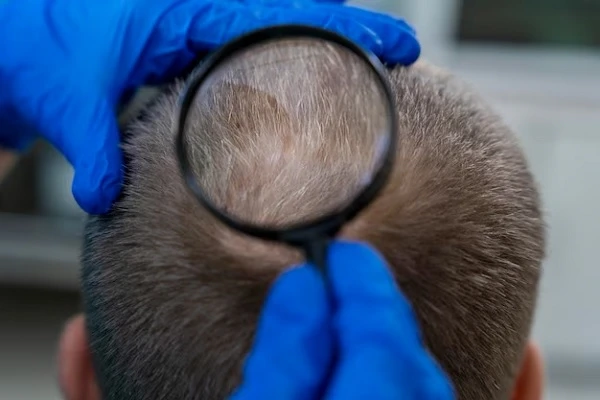
In the early stages of diagnosing androgenetic alopecia, doctors commonly recommend specific medications like minoxidil (for topical application) or finasteride (for oral consumption). These components have received approval from regulatory bodies such as the FDA (Food and Drug Administration) and the EMA (European Medicines Agency) for addressing hair loss.
Minoxidil is available in ampoules and is equipped with a dispenser. Users can apply the product to the scalp nightly for at least three months. This routine aims to enhance blood circulation, facilitating the penetration of nutrients to fortify the hair follicles.
On the other hand, finasteride, functioning as a 5-alpha-reductase inhibitor, is accessible in pill form. These pills aid in strengthening and thickening the hair, preventing its untimely shedding.
In situations where standard treatments prove ineffective for androgenetic alopecia or the diagnosis comes belatedly, a viable way remains: undergoing a hair transplant. Recent advancements have significantly enhanced the efficacy of this procedure. Notably, Capiclinic stands out for providing assured outcomes to its patients. Regardless of your specific circumstance, it would help if you recognized that you have options to combat baldness. Whether opting for one of the earlier treatments or choosing a hair implant, you can successfully address the issue.
Natural Treatments for Androgenetic Alopecia
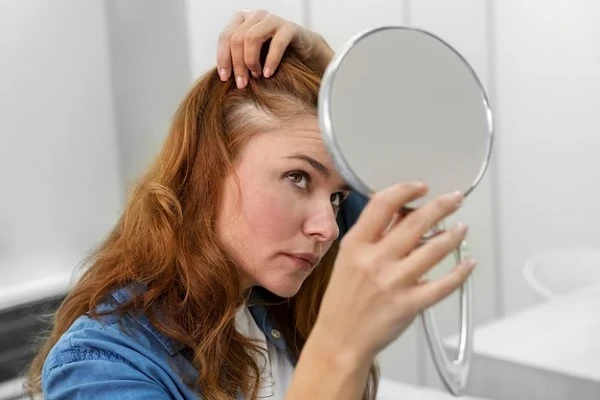
Natural treatments for androgenetic alopecia can complement traditional medical approaches. While individual responses vary, some natural remedies may help promote hair health and reduce hair loss. It’s essential to consult with a healthcare professional before starting any new treatment. Here are some natural approaches:
Nutrient-Rich Diet
It’s crucial to ensure a well-balanced diet rich in various vitamins and minerals essential for maintaining your hair’s health. These include vitamin A, B-vitamins (especially biotin), vitamin C, vitamin D, iron, and zinc. Incorporating foods that are good sources of these nutrients, such as carrots, eggs, spinach, citrus fruits, fatty fish, lean red meat, and nuts, into your regular diet can help support the overall health and appearance of your hair.
Herbal Supplements
Certain herbs, like saw palmetto and ginseng, are believed to have properties that may inhibit the effects of androgens on hair follicles. It is advisable to consult with a healthcare provider before considering the use of any herbal supplements, as they may interact with other medications or have unforeseen effects on your health. Your healthcare provider can offer guidance tailored to your health needs and provide accurate and personalized advice.
Essential Oils
Massaging can be incredibly relaxing and therapeutic, helping to reduce stress and tension in the body. Whether it’s a deep tissue massage to work out those stubborn knots or a gentle Swedish massage to promote overall relaxation, the power of touch can work wonders for your physical and mental well-being.
Aloe Vera
Aloe vera gel contains enzymes that can promote hair growth. When applied directly to the scalp and hair, aloe vera has been found to provide soothing effects and nourishment. This natural remedy is gentle and widely used for its potential to support healthy hair and scalp conditions.
Onion Juice
Onion juice is believed to promote hair growth due to its high sulfur content, which is known to have beneficial effects on hair. Applying onion juice to the scalp and leaving it on for a short period before washing is thought to support healthy hair growth. The sulfur in onion juice may help nourish the scalp and hair follicles, potentially aiding in the promotion of stronger, healthier hair.
Green Tea
Green tea has been used for centuries due to its numerous health benefits. It is rich in antioxidants, particularly catechins, which have been associated with a wide range of health benefits, including the potential prevention of hair loss. The antioxidants in green tea may help to combat free radicals that can damage hair follicles and contribute to hair loss. You can incorporate green tea into your hair care routine in several ways.
One method is to apply cooled, brewed green tea directly to the scalp as a rinse after shampooing. This can help nourish the scalp and hair follicles with antioxidants and other beneficial compounds in green tea. Another option is to take green tea supplements, which can provide a concentrated dose of the antioxidants and other beneficial components found in green tea.
While more research is needed to fully understand the effects of green tea on hair health, some studies suggest that its consumption or application to the scalp may have positive effects on hair growth and overall hair health.
Scalp Massage
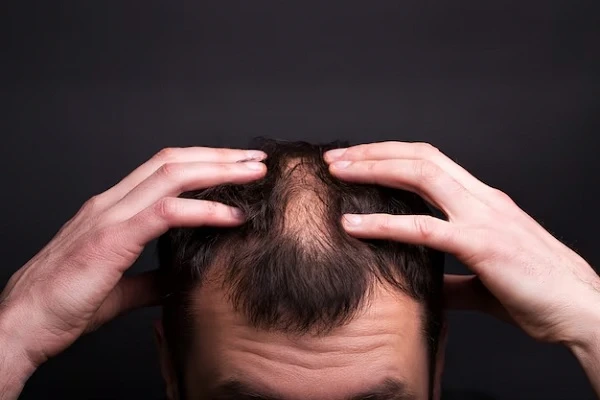
Regular scalp massage, whether with or without oils, is a beneficial practice to enhance blood circulation to the hair follicles. This increased blood flow contributes to a more nourished and healthier scalp environment, fostering optimal conditions for hair growth. Scalp massage also helps to relax the scalp muscles and reduce tension, which can alleviate stress and promote a sense of well-being, in addition to its positive effects on hair health. Making scalp massage a regular part of your self-care routine can also be a soothing and enjoyable way to pamper yourself, contributing to relaxation and rejuvenation.
Lifestyle Changes
Managing stress through yoga or meditation is crucial, as stress can contribute to hair loss. Adequate sleep and regular exercise also support overall well-being. It’s important to prioritize activities that promote relaxation and reduce stress to maintain not only a healthy mind but also healthy hair. Taking care of your overall well-being through these practices can positively affect your mental and physical health, including the condition of your hair.
Avoiding Harmful Hairstyles
Avoiding harmful hairstyles is crucial for maintaining your hair’s overall health and integrity. Tight hairstyles that exert excessive tension on the hair shafts should be avoided. Also, be mindful of the frequent use of heat styling tools, as they can contribute to damage over time. Choosing hairstyles that minimize pulling on the hair is essential for promoting healthier strands and preventing unnecessary stress on your hair.
Gentle Hair Care
Remember to use mild shampoos and conditioners specifically formulated for your hair type, and try to avoid overwashing, as it can strip the hair of its natural oils. When towel-drying your hair, be gentle to prevent breakage, and use a wide-toothed comb when combing wet hair to avoid pulling and causing damage. These simple tips can help keep your hair healthy and strong.
While these natural treatments may offer support, it is essential to set realistic expectations and understand that individual responses vary. Consult with a healthcare professional or dermatologist to create a comprehensive and personalized approach to managing androgenetic alopecia.