



WAlopecia, a complex condition that can have a variety of triggers, requires a thorough diagnostic process to determine the most appropriate treatment. By taking an in-depth look at the essential tests to diagnose alopecia, we aim to provide you with the knowledge you need to take the first step in restoring your hair’s health.
From physical exams to laboratory tests to diagnose alopecia, you will gain a better understanding of the comprehensive approach needed to uncover the underlying factors contributing to alopecia. You will need to work closely with your healthcare provider to develop an effective treatment plan to take control of your capillary wellness.
What are the tests to diagnose alopecia and how do they work?
The diagnostic tests for alopecia provide healthcare providers with detailed information about the underlying causes and specific types of hair loss a patient is experiencing. Here’s a closer look at how the main tests to diagnose alopecia work.
Blood Tests to diagnose alopecia
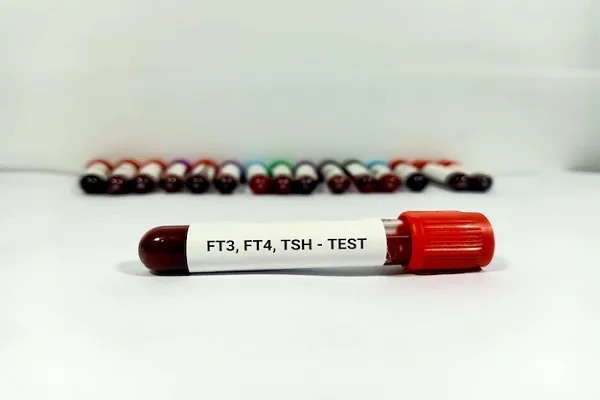
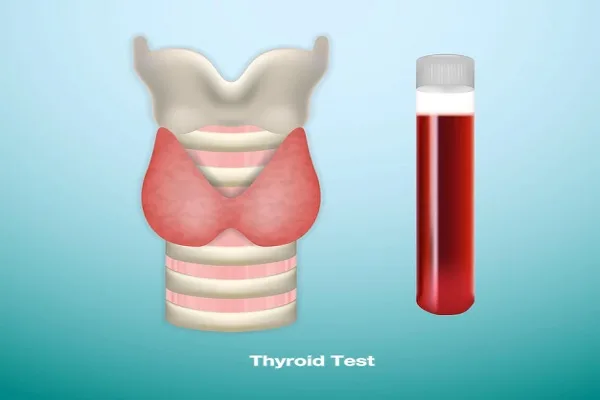
Doctors rely on blood tests to evaluate a patient’s health and uncover possible causes of alopecia. These tests identify hormonal imbalances or medical conditions contributing to hair loss. Thyroid function tests detect issues in thyroid activity, which directly affect hair health.
Additionally, blood tests measure androgen hormone levels to reveal imbalances that may influence hair growth patterns. Ferritin tests check iron levels since iron deficiency anaemia is linked to hair loss. Testing vitamin D levels is vital because deficiencies are associated with alopecia. Finally, autoimmune markers can detect disorders triggering hair loss.
CBC tests to diagnose alopecia
A Complete Blood Count, often known as a CBC, is a blood test used to assess overall health. It is a test to diagnose alopecia and other various conditions, such as anaemia, infection, and even leukaemia. In a complete blood count test, various aspects and components of the blood are analyzed and measured, including the following:
- The red blood cellsare responsible for carrying oxygen.
- Red blood cells contain a protein called haemoglobinthat transports oxygen throughout the body.
- White blood cellsprotect the body from disease.
- Platelets,which contribute to the coagulation of blood.
In most cases, the outcome of this test will provide you with the result of a complete blood count for your body.
VDL tests to diagnose alopecia
Acquiring syphilis may lead to various side effects, one of which can be unexpected hair loss. This phenomenon can arise due to the infection’s impact on the body.
Consequently, a thorough VDL assessment becomes crucial once a diagnosis is established, as it can help gauge the extent of the infection and determine the appropriate course of treatment.
Scalp Biopsy
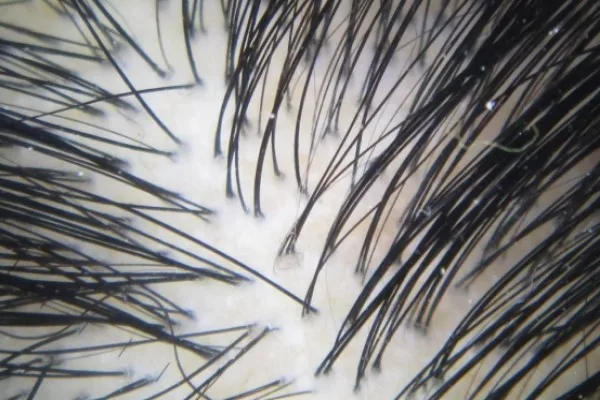
Doctors perform a scalp biopsy to carefully remove a small tissue sample from the scalp. They typically take this sample from an area with noticeable hair loss. The pathologist examines the tissue under a microscope to identify the type of alopecia affecting the patient. They also assess signs of inflammation, scarring, or other factors contributing to hair loss.
This procedure remains the gold standard for diagnosing specific alopecia types, especially cicatricial (scarring) alopecia. By analyzing tissue directly, the biopsy provides critical insights into the scalp and hair follicles’ health. These findings help guide treatment plans, enabling a personalized approach to hair loss management.
Trichoscopy
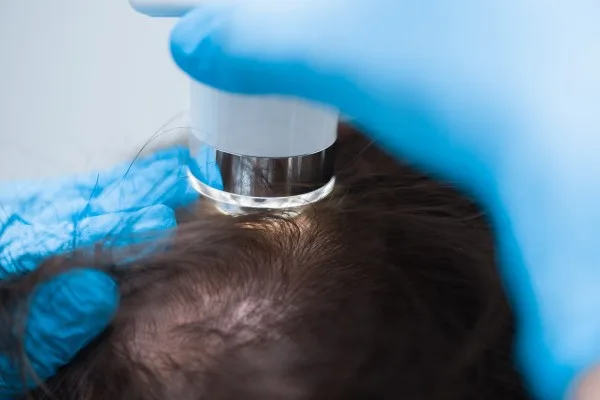
Trichoscopy uses a handheld device or digital microscope to examine the scalp and hair follicles. This non-invasive technique provides detailed images, revealing information like hair density, shaft diameter, and signs of inflammation.
The procedure effectively distinguishes between alopecia types, such as androgenetic alopecia and alopecia areata. This distinction reduces the need for invasive procedures like a scalp biopsy. Trichoscopy offers valuable insights to guide diagnosis and treatment plans.
Hair pull test
In the hair pull test, a doctor gently pulls a small section of hair while counting strands that detach easily. This simple, non-invasive method evaluates active hair shedding.
The test helps differentiate between alopecia types, such as telogen effluvium, marked by excessive shedding, and androgenetic alopecia, linked to genetics. It offers insight into the hair growth phases, aiding in diagnosis and treatment planning.
Hair density measurement
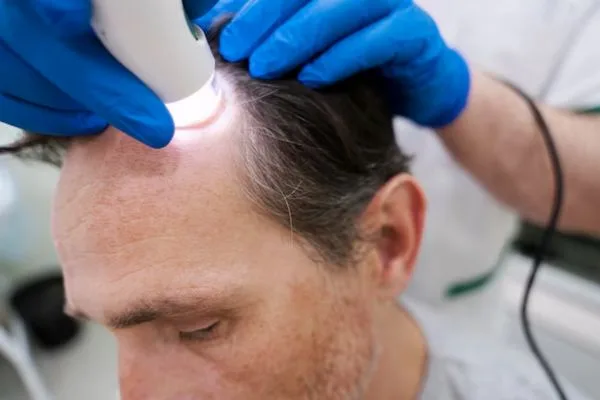
Hair density measurement uses specialised equipment or advanced imaging systems to assess hair coverage on the scalp. These tools provide an accurate picture of the extent and distribution of hair loss. By systematically collecting data, healthcare providers can identify patterns of thinning and track changes over time.
Comparing measurements across areas of the scalp or over time helps to monitor the progression of hair loss. This information can be used to evaluate treatment efficacy and guide treatment decisions. Tracking density changes provides a clearer understanding of how the condition is progressing and ensures that treatments are meeting expectations.
What are the different types of Alopecia?
There are a few distinct causes that might lead to sudden hair loss. It’s possible, for instance, that it will begin with patches of gradually receding hair or thinning hair in a specific region. Nevertheless, there is always some alopecia connected to the beginning of hair loss, regardless of how it occurs. Look at the following list for an explanation of the many types of alopecia.
Alopecia Areata
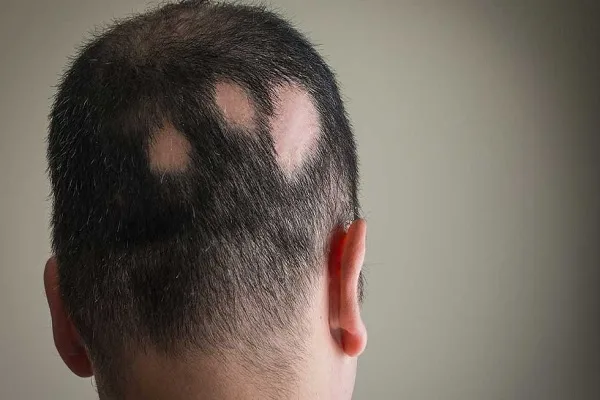
Alopecia areata is an autoimmune condition that often appears as circular or oval patches of bald skin. These patches can form anywhere on the body where hair typically grows. The disorder occurs because immune cells attack hair follicles, leading to hair loss.
Unlike traditional hair loss on the scalp, alopecia areata causes hair loss in unexpected areas. These include the eyebrows, eyelashes, and beard, making it distinct from other hair loss patterns.
Androgenetic Alopecia (Pattern Hair Loss)
The term “male pattern baldness” describes a common hair loss type in men. However, women also experience similar thinning. While less common in women, androgenetic alopecia still causes noticeable hair thinning and density changes.
This condition often leads to a receding hairline in men, but in women, it typically results in gradual thinning across the scalp. Over time, this subtle progression significantly impacts hair volume and overall appearance.
Scarring Alopecia
Scarring alopecia causes permanent hair loss due to severe damage to the hair follicles. This damage turns growth areas into scar tissue, completely preventing new hair from growing. As a result, individuals often experience complete baldness or significant patches of hair loss.
For those affected, hair transplantation often becomes the only solution to restore their appearance. This procedure addresses the irreversible effects of the condition, offering hope for a more natural look.
Traction Alopecia
Traction alopecia results from consistent pulling on the hair, causing gradual hair loss. Hairstyles that exert tension, such as tight ponytails, braids, or weaves, are common contributors. In some cases, trichotillomania, a psychological disorder involving compulsive hair-pulling, worsens the condition, leading to bald patches or thinning.
Additionally, frequent use of hair extensions, chemical relaxers, or restrictive styling techniques adds strain to the scalp, further exacerbating hair loss. Avoiding these practices can help reduce the risk of developing this condition.
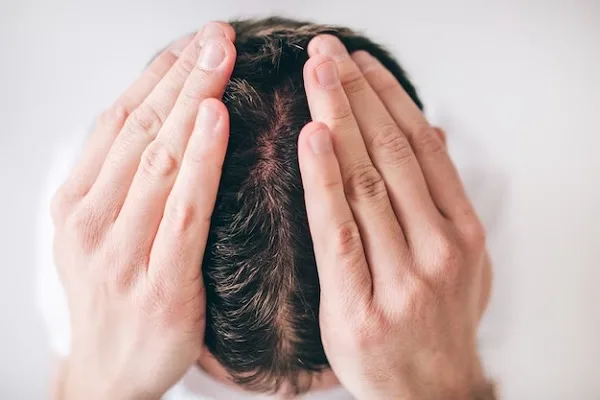
Diagnosing hair loss in women often requires specific tests to uncover the underlying causes. In many cases, hair loss signals another health condition. If you are experiencing this issue, tests to diagnose alopecia can help identify the root cause and guide appropriate treatment.
Which are the hormone tests to diagnose alopecia?
If you are experiencing significant hair loss, testing for several hormones may be helpful. The five hormones in question are Prolactin, DHEA, Luteinizing hormone, Testosterone, and Follicle-stimulating hormone. As you age, your hormone levels alter, and some even fluctuate throughout the day.
Testing for hormones allows specialists to identify and assess any hormonal imbalances that could be contributing to your current state of illness. The blood sample method is used for hormone testing, but certain procedures require saliva or urine samples. Experts commonly conduct tests to determine levels of the following hormones.
- Estrogen and testosterone.
- Hormones produced by the adrenal gland, like cortisol.
- Pituitary gland hormones such as growth hormone, prolactin, and other hormones.
- Hormones produced by the thyroid, like thyroxine.
Faq’s
How accurate are the diagnostic tests for alopecia?

The accuracy of alopecia diagnostic tests depends on the type of test and the expertise of the provider. A scalp biopsy, often considered the gold standard, is highly reliable for diagnosing certain types of alopecia. Meanwhile, non-invasive tests such as trichoscopy can provide valuable information without the need for a biopsy.
How long does it take to get the results from alopecia diagnostic tests?
The time to receive diagnostic test results varies by test type and laboratory processing. Blood tests typically take a few days to a week, whereas a scalp biopsy may require one to two weeks for a complete pathological analysis.
Can alopecia be diagnosed without any tests to diagnose alopecia?
In some instances, healthcare providers can diagnose alopecia through a physical examination and a review of medical history. However, tests to diagnose alopecia are usually recommended to confirm the type of alopecia and uncover any underlying causes, ensuring accurate treatment.
Conclusion
Tests to diagnose alopecia involve a comprehensive approach that includes physical examinations, blood tests, scalp biopsies, and advanced imaging techniques like trichoscopy. Each test provides valuable insights into the underlying causes and type of hair loss, enabling healthcare providers to tailor effective treatment plans. Understanding the different diagnostic tools empowers patients to take proactive steps toward restoring their hair health. Collaboration with healthcare professionals ensures accurate diagnoses and personalized care strategies.
At Capilclinic, we’re trusted by thousands of patients in the UK and Europe as a leading Hair Transplant Clinic in Turkey and Spain, known for our expert doctors, advanced facilities, natural hairline results, and affordable all-inclusive packages. Reach out to our team today to start your transformation.