



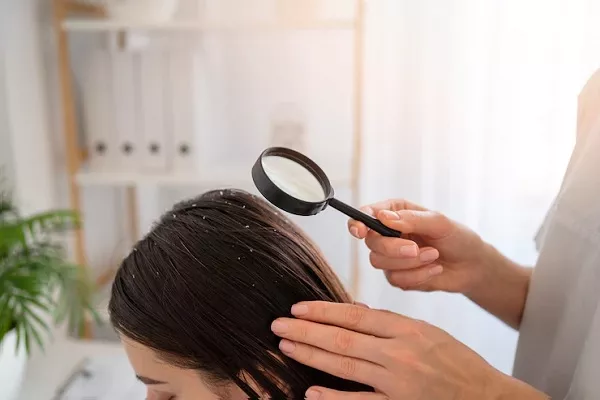
Are you experiencing persistent flaky, itchy, or oily patches on your scalp, face, or other body areas? You may be dealing with a common skin condition known as seborrheic dermatitis. This pesky problem can be uncomfortable and unsightly, leaving many people self-conscious and frustrated. But fear not!
In this guide, we’ll explore seborrheic dermatitis, its causes, symptoms, and,, most importantly, effective DIY treatments you can try at home. With the proper knowledge and approach, you can take control of your condition and achieve healthier, more vibrant-looking skin.
What is Seborrheic Dermatitis?
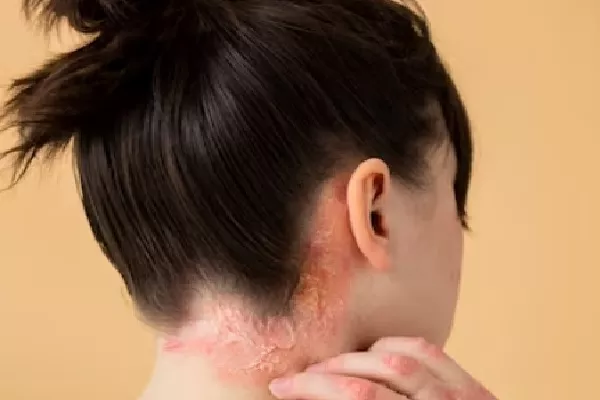
Seborrheic dermatitis commonly causes red, scaly patches, often accompanied by itching and discomfort. These patches frequently affect the scalp, face, and upper body. Several factors contribute to the development of this condition. The sebaceous glands often overproduce sebum, the skin’s natural oil, leading to an oily scalp and skin.
This excess oil encourages the overgrowth of Malassezia yeast, which typically resides on the skin but can proliferate excessively under certain conditions. The skin’s inflammatory response also significantly contributes to seborrheic dermatitis. Stress, hormonal changes, weather fluctuations, and specific medical conditions often intensify this inflammation. These factors produce the characteristic symptoms, making seborrheic dermatitis a complex condition to manage effectively.
What are the symptoms of Seborrheic Dermatitis?
The ability of the hair follicles to produce new hair causes hair to grow, which is often adversely affected by seborrheic dermatitis. Thus, the symptoms derive from the overproduction of oil by the skin and hair follicles caused by overactive sebaceous glands. The most typical signs and symptoms are:
- Dry, flaky skin.
- Heads that have developed greasy patches.
- Scalp itch.
- Inflammation and redness of the skin.
- Balding and hair thinning.
What causes Seborrheic Dermatitis?
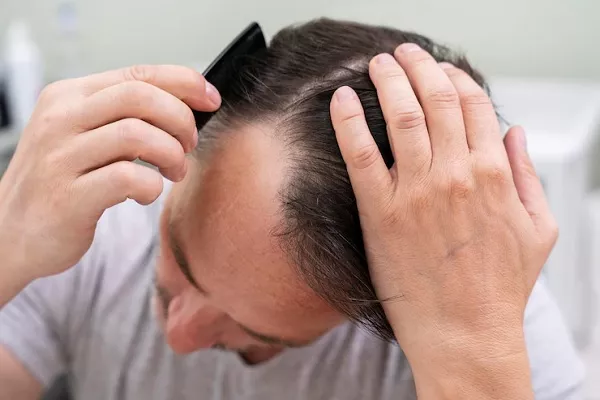
The exact causes of seborrheic dermatitis are not fully understood, but researchers have identified several contributing factors, including:
- Genetics:Some people may be predisposed to developing seborrheic dermatitis due to their genetic makeup.
- Climate and weather: Certain environmental conditions, such as cold, dry weather or high humidity, can exacerbate the symptoms of seborrheic dermatitis.
- Stress:Chronic stress can weaken the immune system and trigger an inflammatory response, leading to flare-ups of seborrheic dermatitis.
- Medical conditions: Certain underlying health issues, such as Parkinson’s disease, HIV/AIDS, and organ transplants, can increase the risk of developing seborrheic dermatitis.
As seborrheic dermatitis worsens, itchy, red, flaky patches can form. These flares can be challenging to treat. Anyone experiencing these signs and symptoms will agree that they are unpleasant.
Does Seborrheic Dermatitis have a cure?
Sadly, seborrheic dermatitis cannot be cured as it is a chronic condition. Flare-ups often occur during specific times of the year or under stress. This disorder can persist for a lifetime and requires ongoing management. Hair loss is manageable, and hair typically regrows.
Over-the-counter drugs and topical medications effectively treat the fungal infection responsible for hair loss. Addressing the inflammation with antifungal drugs and anti-inflammatory treatments promotes hair regrowth. However, the best treatment plan depends on the patient’s lifestyle, symptoms, and the severity of the condition.
IMPORTANT: Evaluating the benefits and risks of available options is essential before starting therapy.
Best medications for Seborrheic Dermatitis
Medications for this condition range from over-the-counter solutions to prescription treatments tailored to suit varying severity and individual skin types. Antifungal creams, corticosteroids, and medicated shampoos are just a few examples of the options available. By exploring these treatments, patients can find a regimen that alleviates symptoms and minimizes flare-ups according to each person’s needs.
Zinc pyrithione
Zinc pyrithione effectively treats seborrheic dermatitis by inhibiting yeast and bacterial growth. Found in some shampoos, it combats dandruff and relieves itching and flaking. Creams and facial cleansers also contain zinc pyrithione to treat affected skin areas. Possible side effects include scalp stinging, burning, and peeling.
Selenium sulfide
Selenium sulfide eliminates Malassezia yeast and reduces inflammation, making it a valuable antifungal treatment. Available in shampoos, lotions, and washes, it soothes irritated skin but may cause side effects such as dryness, oiliness, irritation, or accelerated hair loss.
Ketoconazole
A potent antifungal, ketoconazole treats fungal infections by preventing their spread. It is commonly included in medicated shampoos and addresses fungi-causing seborrheic dermatitis. However, it may cause nausea, stomach discomfort, dizziness, headaches, or rashes.
Salicylic acid
Salicylic acid softens hardened scalp scales caused by uneven sebum production. It is often combined with other components in therapeutic shampoos. Despite limited evidence supporting its effectiveness, it helps alleviate scaling. Side effects may include burning, itching, or peeling.
Immunomodulating drugs
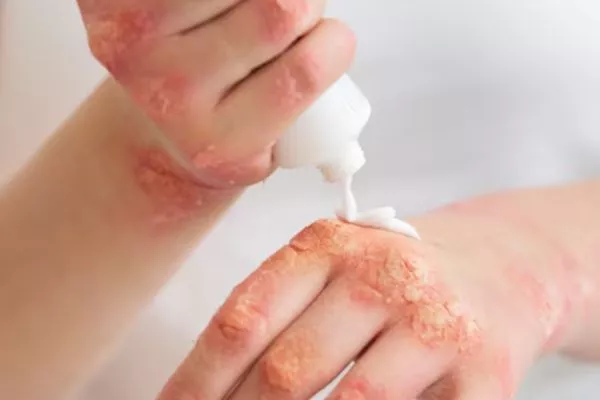
Seborrheic dermatitis can be treated with immunomodulating drugs like calcineurin inhibitor creams. The term “immunomodulating” refers to how this therapy directly influences the body’s immune system to lessen skin inflammation. Calcineurin inhibitors inhibit inflammation, manifested by redness and itching.
It is vital to clarify that the Food and Drug Administration has not green-lighted these medicines. Likewise, creams containing calcineurin inhibitors may cause irritation, acne, rosacea, redness, and flushing if they come into contact with the skin.
Medicated shampoo
Standard treatments include medicated shampoos with antifungal, anti-inflammatory, or anti-itch ingredients such as zinc pyrithione, selenium sulfide, ketoconazole, or salicylic acid. These shampoos address symptoms and restore scalp health but may cause dryness, oiliness, rashes, or headaches.
Topical corticosteroids
Topical corticosteroids, most commonly found in ointment and cream forms, can effectively treat this condition. These drugs reduce inflammation, ease erythema (red skin spots), and calm itching skin. Several corticosteroids have also been observed to have anti-inflammatory and antifungal effects.
Hydrocortisone and other topical corticosteroids can cause a host of uncomfortable side effects, including but not limited to skin redness and peeling, nausea, headache, dizziness, blistering skin, increased sweating, acne, sleeplessness, and irritability.
DIY Treatments for Seborrheic Dermatitis
While seborrheic dermatitis can be a persistent and frustrating condition, you can try several effective DIY treatments at home to manage your symptoms and promote healthier skin. Let’s explore some of the most promising options:
Olive Oil

Olive oil is a versatile and natural solution for combating seborrheic dermatitis on the scalp. Its moisturizing and anti-inflammatory properties can help soothe the irritation and reduce the appearance of flaky, scaly patches. To use, warm a small amount of olive oil and gently massage it into your scalp. Leave it on for 15-20 minutes, then rinse thoroughly with a gentle, sulfate-free shampoo. Repeat this process 1-2 times per week for best results.
Apple Cider Vinegar Rinses
Apple cider vinegar is famous for its antimicrobial and pH-balancing properties, which are a powerful tool against this annoying condition. Dilute a small amount (1-2 tablespoons) in water and use it as a final rinse after shampooing.
The acidic nature of the vinegar can help restore the skin’s natural pH and create an inhospitable environment for the Malassezia yeast that contributes to seborrheic dermatitis. Start with a low concentration and gradually increase as your skin tolerates it.
Tea Tree Oil
Tea tree oil is a natural antiseptic and antifungal agent that effectively manages the condition. Dilute a few drops of tea tree oil in a carrier oil, such as coconut or jojoba oil, and apply it directly to the affected areas. Allow it to sit for 10-15 minutes before rinsing. Tea tree oil can help reduce inflammation, soothe irritation, and inhibit the growth of the yeast that can trigger seborrheic dermatitis.
Baking soda
Baking soda is a gentle yet effective exfoliating agent that can help remove built-up dead skin cells and excess sebum from the scalp and skin. To create a simple baking soda scrub, mix a small amount of baking soda with water to form a paste. Gently massage the scrub onto the affected areas, let it sit for a few minutes, and rinse thoroughly. This can help alleviate the appearance of flaky, scaly patches and promote a healthier skin barrier.
Aloe Vera
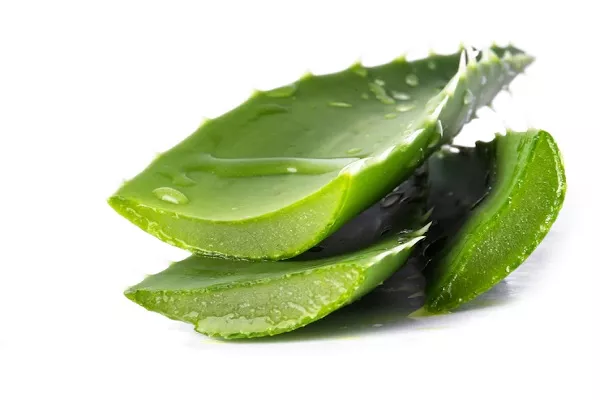
Aloe vera is renowned for its soothing and cooling properties, making it an excellent choice for managing the irritation and inflammation associated with this condition. Apply fresh aloe vera gel directly to the affected areas and let it sit for 15-20 minutes before rinsing. The natural compounds in aloe vera can help calm the skin and relieve itching and redness.
Dietary adjustments
While not a direct topical treatment, making certain dietary adjustments can also help manage seborrheic dermatitis from the inside out. Reducing your intake of sugary and high-glycemic foods, which can contribute to inflammation, and increasing your consumption of anti-inflammatory omega-3 fatty acids, found in foods like fatty fish, walnuts, and flaxseeds, may help alleviate your symptoms.
Faq’s
Is seborrheic dermatitis contagious?
No, seborrheic dermatitis is not contagious and cannot spread from one person to another. It is a non-communicable skin condition that does not spread through direct contact with others.
Can seborrheic dermatitis lead to permanent hair loss?
In most cases, this condition does not directly cause permanent hair loss. However, the persistent inflammation and scaling associated with it can potentially damage the hair follicles over time, leading to temporary thinning or hair loss. Proper treatment and management can help prevent long-term hair loss.
What is the difference between seborrheic dermatitis and dandruff?
Seborrheic dermatitis and dandruff are closely related conditions but have some key differences. Dandruff is a milder form of seborrheic dermatitis characterized by dry, flaky skin on the scalp. Seborrheic dermatitis, on the other hand, can present with more severe symptoms, including red, greasy, and inflamed patches on the scalp, face, and other oily body areas.
Conclusion
Seborrheic dermatitis may be persistent and frustrating, but it is manageable with the right approach. Understanding its causes, symptoms, and triggers is essential for effective treatment. Various options exist to address symptoms and improve skin health, from medicated shampoos and topical treatments to DIY remedies like olive oil and tea tree oil. Though seborrheic dermatitis cannot be cured, proactive management can minimize flare-ups and discomfort. You can regain confidence and maintain healthier, more comfortable skin by tailoring treatments to your specific needs and incorporating healthy lifestyle changes. Always consult a healthcare professional for personalized guidance.
At Capilclinic, we’re trusted by thousands of patients in the UK and Europe as a leading Hair Transplant Clinic in Turkey and Spain, known for our expert doctors, advanced facilities, natural hairline results, and affordable all-inclusive packages. Reach out to our team today to start your transformation.