



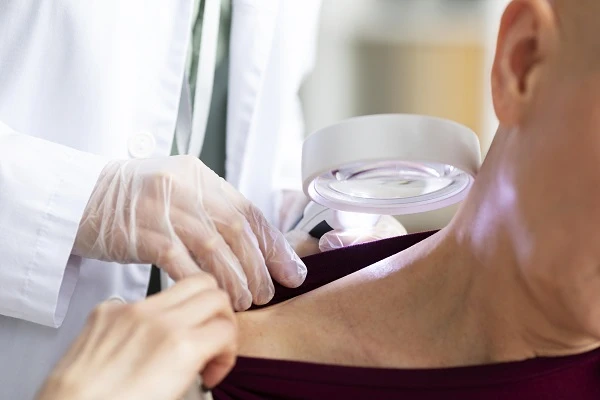
Psoriasis is a noncontagious disease that affects the skin and joints. It causes the rapid growth of new skin cells on the surface. As these cells multiply faster than the body can eliminate, swelling occurs in the blood vessels beneath the skin. The resulting scaly, red areas, known as psoriatic plaques, can impact 1-2 percent of the general population.
Although chronic, this skin condition varies in severity among individuals. Some may experience mild cases with just a few small patches, while others might have more severe manifestations affecting large body areas. The scalp is often the most commonly impacted area. Still, it can also appear on elbows, the lower back, and other locations. Various forms exist, including Plague, Scalp, Guttate, Inverse, Pustular, Erythrodermic, Psoriatic Nail Disease, and Psoriatic Arthritis. Despite their differences, these forms share common symptoms, characterized by thick, red skin plaques.
What are the causes of Psoriasis?
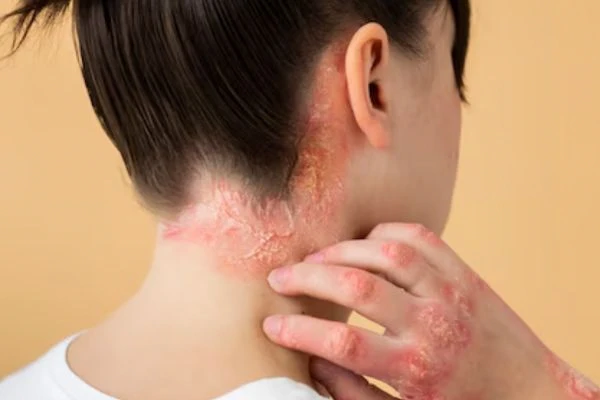
The precise cause of psoriasis remains unknown. However, many specialists believe that a combination of genetic, immunological, environmental, and skin cell factors contributes to its development. By analyzing laboratory test results, a specialist can effectively identify the underlying causes of psoriasis symptoms. Below is a quick overview of the possible causes.
Immune system
One cause of Psoriasis is a weakened immune system. Our bodies produce antibodies in reaction to microbial attacks. The white blood cells in the body create substances that aid in the fight against these microbes or germs. However, Psoriasis develops when a healthy immune system is compromised, and it begins to attack skin cells. This is the most common cause for most patients.
Genetics
Psoriasis can also be traced back to a patient’s family history. The younger generation has a higher risk of contracting this disease if their parents or grandparents have already been infected. The most prevalent cause of Psoriasis is a genetic mutation.
Environmental factors
Environmental factors such as temperature and humidity can also trigger and exacerbate the disease. People who suffer from Psoriasis should avoid cold and hot climates and extreme weather conditions such as freezing temperatures or sweltering heat.
Skin injuries
Psoriasis can also be caused by skin injuries such as cuts on a person’s skin. Some people can develop Psoriasis due to abrasions, so it’s vital to be aware of this.
Other disorders
Some patients with other disorders use medications, which can cause Psoriasis to flare up in such people. Psoriasis is more likely to strike a person with high blood pressure or malaria than with any other medical condition.
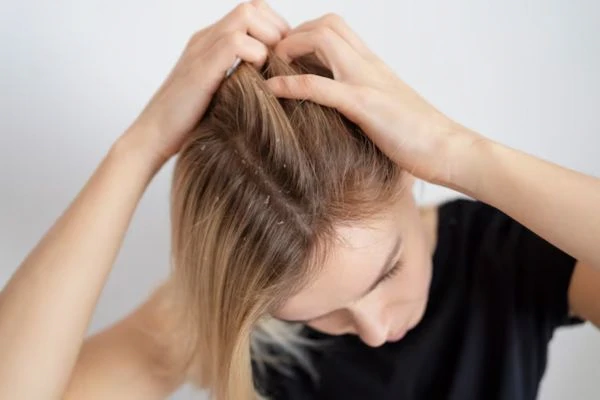
If you suffer from Psoriasis, you’re going to want to avoid stress at all costs. Because stress worsens skin lesions, they become more problematic and deteriorate more rapidly as stress grows.
What are the symptoms of Psoriasis?
While the different types of Psoriasis have relatively similar or fundamental symptoms, they differ in specific symptoms. As a result, depending on your sickness, you may encounter symptoms that vary slightly from those described here. We have, however, listed some of the most prevalent symptoms connected with the disease, so keep an eye out for any of them.
- Plaques of red and inframammary skin are often scattered about the body and covered by silver-colored scales. In extreme cases, the plaques will merge into one, covering a significant body area. This can cause significant discomfort and self-consciousness in affected individuals.
- The affected skin is often itchy, inflamed, and prone to bleeding or cracking, which can be quite painful and distressing. Bleeding skin spots resulting from scratching can further exacerbate the discomfort and may lead to infection.
- Those with this disease may also experience nail problems, which can manifest as gradual discoloration, pitting in the nails, as well as crumbling or separation of the nails from the nail bed. These symptoms can make simple tasks such as gripping objects or walking uncomfortable and challenging.
- Additionally, acne-like lesions on the scalp can cause further distress and discomfort. These lesions may be itchy and sore, adding to the overall burden of the condition.
- This condition can also lead to psoriatic arthritis, which produces achy, swollen joints and can be linked to the skin condition. About 10% to 30% of persons with psoriasis also suffer from this painful and debilitating condition of the joint. This can severely impact mobility and overall quality of life for those affected.
How do you treat and prevent it?
Currently, no known cure for this disease can prevent the disease from recurring. However, people with Psoriasis can take several preventive measures to reduce the severity of their symptoms and improve their overall health. These measures can help reduce discomfort, irritation, severity, and inflammation but will not cure the condition.
Habit change
Psoriasis flare-ups can be caused by a variety of circumstances, including stress, binge drinking, and smoking. Your skin condition may be better controlled if you don’t have frequent episodes of stress or anxiety. Also, it has been shown that excessive alcohol consumption worsens Psoriasis, so it is recommended that you drink in moderation or abstain from alcohol completely.
Likewise, psoriasis flare-ups can be triggered by smoking as well. Hence, smoking should be reduced or, if possible, completely eliminated. The severity of your Psoriasis will improve if you can reduce or eliminate most of these variables.
Topical treatments
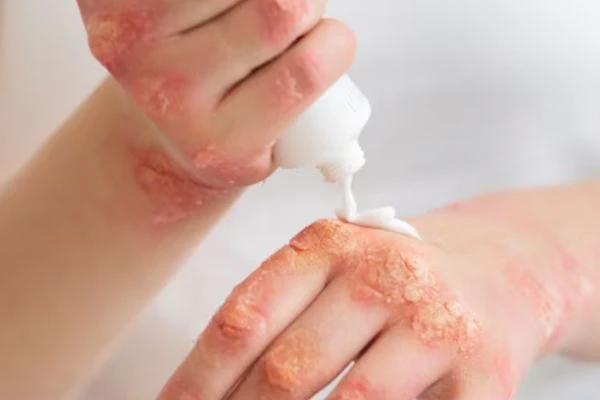
Mild and moderate Psoriasis can benefit from topical creams and ointments administered directly to the skin. Examples of treatments in this category include;
- Topical corticosteroids: These are anti-inflammatory medications that can help reduce redness, itching, and swelling associated with psoriasis. They work by suppressing the immune response and reducing the production of skin cells.
- Application of Retinoids to the skin: Retinoids are derived from vitamin A and are used to slow down the growth of skin cells. They also help reduce inflammation.
- Anthralin: This topical treatment helps to slow skin cell growth and remove scales and plaques. It is often used in short-contact therapy, where it is applied to the skin and then washed off after a short period of time.
- Analogs of vitamin D: These synthetic forms of vitamin D slow down the growth of skin cells, reduce inflammation, and help normalize the skin cell growth cycle.
- Salicylic acid: Salicylic acid promotes the shedding of dead skin cells and reduces scaling. It can also soften and remove psoriasis plaques.
- Moisturizer: While not a direct treatment for psoriasis, moisturizing the skin can help reduce itching and dryness, which are everyday symptoms.
It’s important to note that the effectiveness of these treatments can vary from person to person. You must consult with a healthcare professional to determine the most suitable treatment plan for each individual.
Medications
People living with Psoriasis who haven’t reacted adequately to conventional treatment options may require oral or injectable drugs. Several of these medicines have serious adverse effects; hence, make sure you use them strictly by a doctor’s prescription or consultation. Examples of these medications include;
- Methotrexate is a medication that can help with psoriasis by slowing down the rapid growth of skin cells and reducing inflammation. It is often prescribed for moderate to severe psoriasis.
- Cyclosporine is an immunosuppressant drug that can help to control the immune system’s response that leads to psoriasis symptoms. It is typically used for short-term treatment of psoriasis flare-ups.
- Retinoids are synthetic forms of vitamin A that can help to slow down the growth of skin cells and can also help to reduce inflammation. They are often used topically to treat mild to moderate psoriasis.
Light Treatment
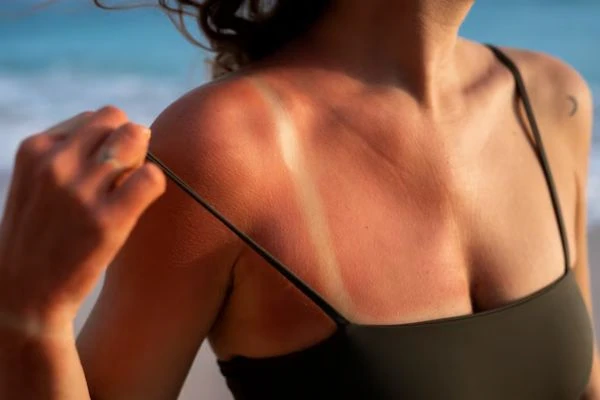
Natural UVA and UVB light can effectively treat mild and moderate psoriasis. When exposed to these types of light, the skin absorbs it, and the immune system cells that are rapidly proliferating and targeting healthy skin are destroyed. This treatment method is often considered a beneficial option for managing psoriasis symptoms.
Other therapy choices are also worth considering, but those are the most successful. Also, note that patients with moderate to severe Psoriasis will usually benefit from a combination of several of the treatments listed above. Furthermore, depending on the individual, some people may need to utilize the same type of treatment throughout their therapy. Still, other people’s systems may require a change in treatment, particularly if their skin no longer responds to the existing one.
Faq’s
What are the symptoms of psoriasis?
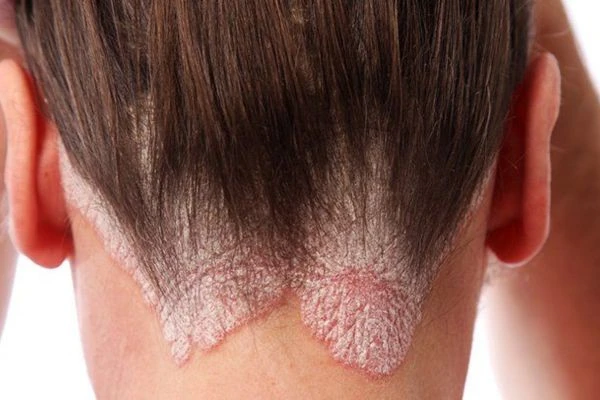
Scalp psoriasis is a chronic skin condition characterized by the development of red, raised patches on the scalp. These patches are typically covered with thick, silvery-white scales. Individuals with scalp psoriasis often experience itching, dryness, and discomfort in the affected areas. In more severe cases, scalp psoriasis can lead to hair loss or flaking that resembles dandruff. If left untreated, it can significantly impact a person’s quality of life.
How is scalp psoriasis treated?
Treatment for scalp psoriasis often includes medicated shampoos, topical treatments like corticosteroids, and sometimes systemic medications for more severe cases. Phototherapy may also be recommended. It’s essential to consult a healthcare provider for personalized treatment options.
Is psoriasis contagious?
No. Scalp psoriasis is a non-contagious, chronic autoimmune condition that occurs when the immune system mistakenly attacks healthy skin cells, leading to the rapid growth of skin cells on the scalp. As it is not a communicable condition, scalp psoriasis cannot be spread through direct contact with an affected individual.