



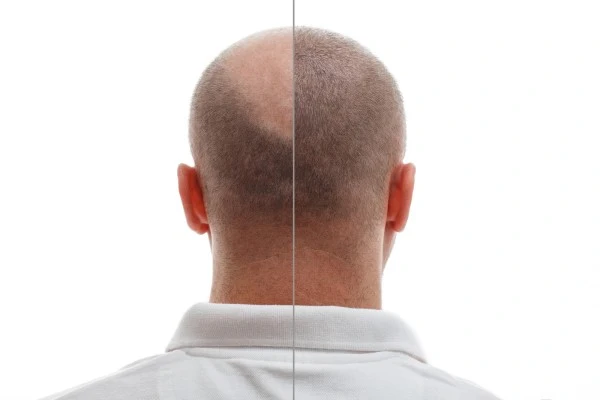
Hair transplant surgery has become an increasingly popular solution for individuals seeking to restore their hairline or address baldness. One common side effect is the appearance of pimples on the scalp, even though the procedure is generally safe and effective. These small bumps may result from factors such as infection, ingrown hairs, excessive oil production, or allergic reactions to medications used post-operation. While they are usually not a serious medical concern, they can cause discomfort, irritation, or distress during the healing process.
The presence of pimples on the scalp after surgery is quite common and typically part of the natural healing phase. They can emerge within a few days or even weeks after the procedure as hair starts to grow through the newly transplanted follicles. Many individuals who undergo a hair transplant in Antalya report similar post-surgery reactions, prompting clinics to include specific instructions for post-op scalp care to reduce complications and discomfort effectively.
Cleaning the scalp gently with prescribed solutions, avoiding excessive touching, and applying topical treatments when necessary can reduce inflammation and support healing. The best Turkey hair transplant centres often offer personalised follow-up care to address such minor issues. Clinics that specialise in FUE hair transplant techniques frequently recommend mild exfoliants or antiseptic shampoos to clear blocked follicles without harming new grafts. Additionally, avoiding direct sun exposure, refraining from wearing tight hats, and reducing stress levels can further prevent irritation.
In some cases, pimples on the scalp may persist or worsen, requiring professional assessment and possible intervention. Before committing to surgery, it’s wise to understand all elements of the procedure, including side effects and recovery. While hair transplant cost may influence your decision, choosing a reputable clinic with thorough aftercare is just as important to ensure long-term success and avoid complications during the healing journey.
The structure of pimples on the scalp after a hair transplant
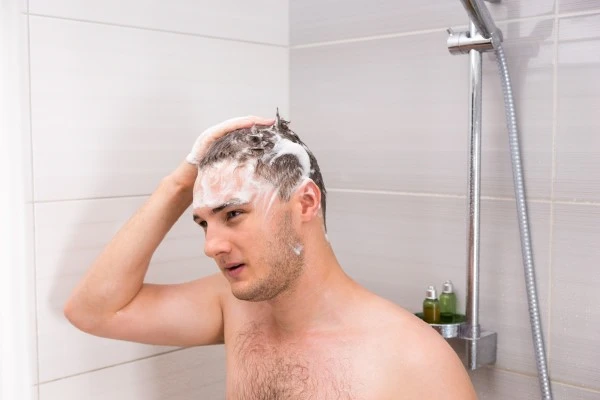
After a hair transplant, it’s common to develop pimples on the scalp, especially near the base of newly implanted hair follicles. These post-transplant pimples often differ in structure from those found on other body parts, making them a unique concern for many patients. Typically, they present as red, raised bumps that resemble acne, although they may also appear as tiny white or yellowish spots. This appearance often suggests a minor follicular infection during the recovery phase of the procedure.
Moreover, the structure of pimples on the scalp following a transplant stems mainly from inflammation triggered by the natural healing process. As the new hair follicles begin to grow, the scalp undergoes slight trauma, which can lead to irritation. This inflammation, combined with healing skin, often causes these distinctive scalp pimples to emerge. In addition, ingrown hairs may form during regrowth, causing small, painful lesions that can become quite uncomfortable if left untreated.
It’s crucial to understand that not every case of pimples on the scalp after a transplant is identical. Some may heal independently with consistent scalp care, while others might indicate a need for professional treatment. For example, persistent or painful pimples should be evaluated by your surgeon to rule out infection or other complications. Adopting proper hygiene and gentle care routines is essential to support scalp recovery and minimise irritation.
Furthermore, patients should closely follow the aftercare guidelines provided by their surgeon, particularly in the weeks after surgery. Adhering to these instructions significantly reduces the chances of pimples on the scalp becoming a long-term issue. It’s worth noting that in certain cases, individuals who undergo a FUE hair transplant may experience these bumps more frequently due to the nature of follicular unit extraction. Therefore, recognising and addressing symptoms early can make recovery smoother and more effective.
Why do pimples on the scalp occur after a hair transplant?
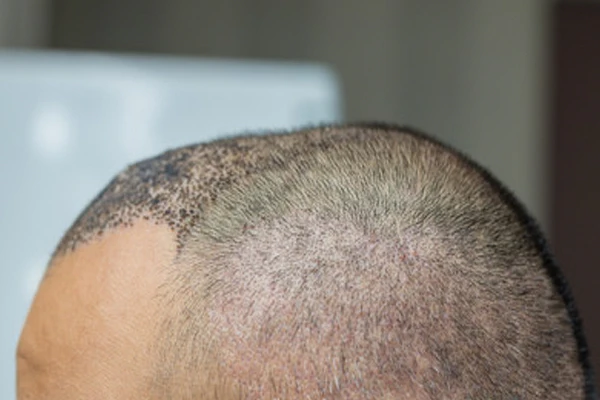
It’s common to notice pimples on the scalp after a hair transplant, and this can understandably be concerning for many patients. These pimples are usually a part of the healing process and not a sign of failed treatment. However, understanding the causes behind them can help you manage the situation more effectively and avoid complications. Moreover, if you’re considering a hair transplant Antalya, being informed about potential side effects is essential.
1- Infection
One of the primary causes of pimples on the scalp after transplantation is infection. When the scalp isn’t properly cared for after surgery, bacterial infections may inflame the hair follicles, resulting in pimple-like bumps. Infections can arise from several sources. For instance, using non-sterile tools during the procedure, touching the scalp with dirty hands, or skipping post-operative cleaning routines. Proper hygiene and following the aftercare instructions reduce the risk of such issues significantly.
2- Ingrown hairs
Another frequent cause is ingrown hairs. After the procedure, transplanted hairs may grow in a slightly irregular direction. As a result, they sometimes curl back or fail to exit the follicle properly. This leads to blocked follicles, triggering inflammation and resulting in small pimples or pustules. In many cases, these ingrown hairs resolve on their own. However, persistent issues may require gentle exfoliation or treatment by a professional.
3- Excessive oil production
Increased sebum production can contribute to pimples on the scalp, especially during the healing phase. After a transplant, the skin’s oil glands might become overactive due to stress, hormonal shifts, or even product buildup. When oil clogs the follicles, inflammation and acne-like lesions can appear on the scalp. It’s important to use gentle, non-comedogenic hair products and avoid heavy oils or serums during recovery. Proper scalp care can make a substantial difference in preventing clogged follicles and related irritation.
4- Allergic reaction
An allergic reaction to substances used during or after the transplant may trigger pimples on the scalp. This can include reactions to local anaesthetics, antibiotics, or shampoos recommended for post-surgery care. Allergic responses often present as widespread bumps or rashes, sometimes accompanied by itching or redness. To prevent this, it’s advisable to inform your clinic about any known allergies beforehand. Patients considering hair transplant cost should also account for follow-up care in case of such common side effects.
Types of pimples on the scalp after treatment
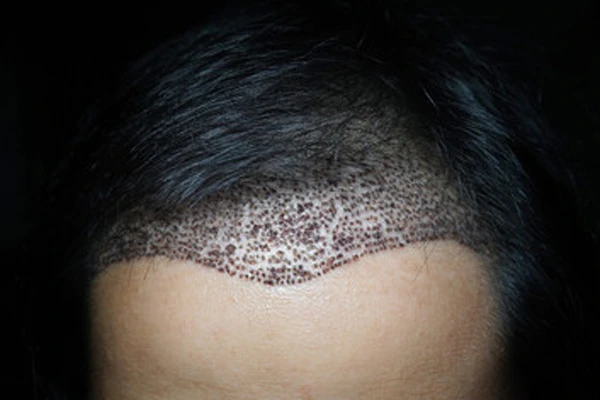
After undergoing a hair transplant, it’s common to experience pimples on the scalp, and these can take various forms. Understanding the types of pimples that may arise is essential for proper aftercare.
- Folliculitis: This is the most common type of pimple that occurs after a hair transplant. It is caused by inflammation of the hair follicles and can appear as small, red bumps or pustules on the scalp. Folliculitis can be caused by infection or irritation of the hair follicles.
- Acne: Acne can occur after a hair transplant due to excessive oil production on the scalp. This type of pimple can be identified by its appearance as red, inflamed bumps or whiteheads.
- Cysts: Cysts can form on the scalp after a hair transplant and appear as small, firm, round bumps. These are caused by the accumulation of oil and dead skin cells in the hair follicles.
- Ingrown hairs: As mentioned earlier, ingrown hairs can occur after a hair transplant. And result in the development of pimples that appear similar to folliculitis.
- Keloids: Keloids are a type of raised scar that can occur after a hair transplant. They are often accompanied by pimples or other types of bumps on the scalp.
It’s also worth mentioning that those seeking solutions for long-term hair loss should explore the best hair transplant clinic Turkey. This secondary option not only offers affordability but also high standards of care, potentially reducing complications like pimples after treatment.
How to prevent pimples on the scalp after a hair transplant?
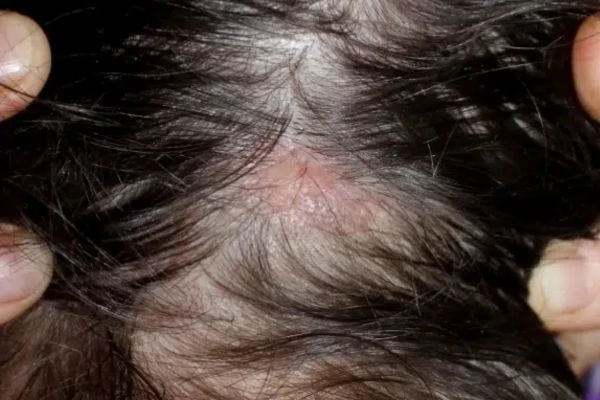
Preventing pimples on the scalp after a hair transplant requires proper care and hygiene before and after the surgery. Here are some tips to help prevent pimples on the scalp after a hair transplant:
- Follow your hair transplant surgeon’s instructions: Your surgeon will provide you with specific instructions for caring for your scalp after the surgery. It is important to follow these instructions carefully to minimise the risk of developing pimples or other complications.
- Keep the scalp clean: Keeping your scalp clean is essential to prevent the buildup of oil, dead skin cells, and bacteria. Your surgeon may recommend using a mild, fragrance-free shampoo to wash your scalp. But be gentle and avoid scrubbing or rubbing the scalp too hard.
- Avoid picking or scratching the scalp: Picking or scratching the scalp can introduce bacteria and cause irritation, which can lead to the formation of pimples. If you feel the need to scratch your scalp, try using a clean cotton swab or your fingertips instead.
- Avoid excessive sun exposure: Exposure to the sun can cause inflammation and irritation on the scalp, which can lead to the formation of pimples. It is important to protect your scalp from the sun by wearing a hat or applying a sunscreen with a high SPF.
- Avoid using hair styling products: Hair styling products can clog hair follicles and cause irritation on the scalp. Which can lead to the formation of pimples. Avoid using hair gels, sprays, or other products until your surgeon gives you the go-ahead.
Conclusion
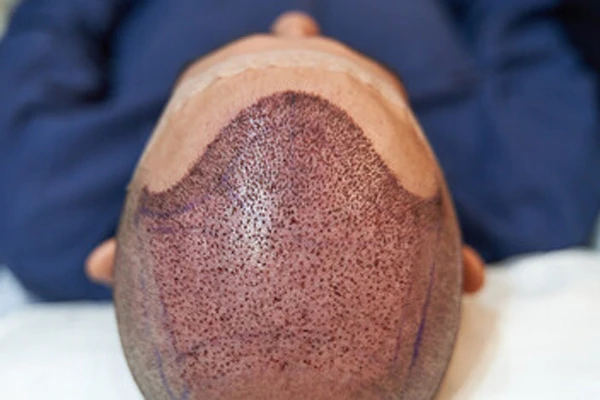
Pimples on the scalp after a hair transplant are a relatively common issue, often resulting from the body’s natural healing response. While they may be unsightly or uncomfortable, they are usually not a cause for serious concern. Recognising the different types, such as folliculitis, cysts, or ingrown hairs, can help in determining the appropriate treatment or whether to seek medical advice.
Understanding the causes of scalp spots, including infection, excess oil production, and allergic reactions, is key to managing them effectively. Good hygiene, gentle scalp care, and adherence to post-operative instructions significantly reduce the likelihood of their occurrence. It’s also advisable to avoid harsh styling products and prolonged sun exposure during the recovery period.
If you do experience scalp pimples, it’s important not to panic. Most cases are mild and resolve with simple care measures. However, persistent or painful pimples may require medical attention to prevent further complications. Consulting your hair transplant surgeon for personalised guidance can make all the difference in ensuring a smooth recovery.
Scalp acne may be an inconvenience, but it should not deter you from considering a hair transplant. If you’re thinking about restoring your hair and improving your confidence, we encourage you to visit capilclinic.uk to learn more about our expert procedures and book a consultation today!