



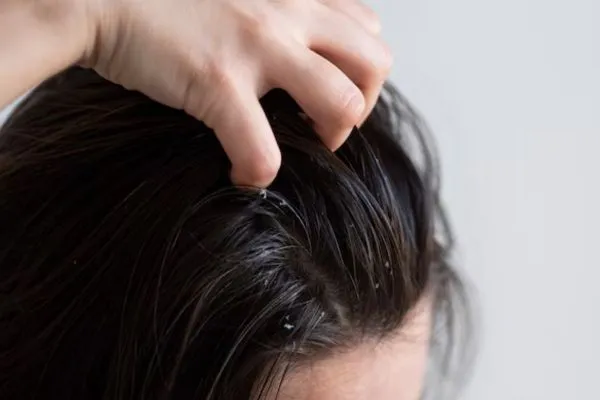
For people contemplating hair transplants, understanding how dandruff affect hair transplants is crucial. Whether you’re coping with mild irritation or severe dandruff conditions, it is essential to know its potential effects on the scalp and hair follicles, which can directly influence the results of a hair transplant. This article aims to elucidate the connection between dandruff and hair transplant success, examining pivotal aspects such as biological implications, pre- and post-transplant care, and long-term effects.
How can dandruff affect hair transplants?
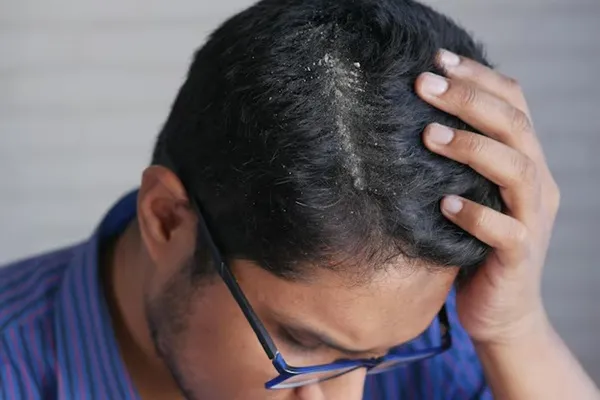
Dandruff can significantly affect hair transplants by creating an unfavorable environment for hair follicles. When the scalp is infested with dandruff, it’s often due to underlying issues such as inflammation, fungal overgrowth like Malassezia, and an imbalance in scalp oils. These factors can make the scalp more sensitive, prone to infections, and less conducive to healing after a transplant procedure.
Additionally, dandruff affect hair transplants; it can exacerbate itching and irritation, leading individuals to scratch their scalp, which further damages hair follicles and leads to poor graft retention. Therefore, for a successful hair transplant, a healthy scalp devoid of dandruff is paramount.
Causes why dandruff affect hair transplant
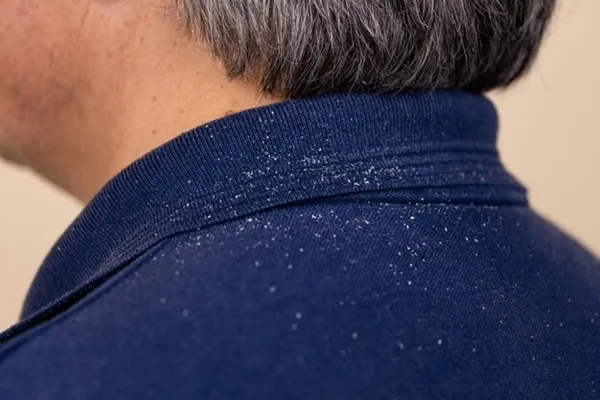
Dandruff is a scalp condition marked by the shedding of dead skin cells, resulting in visible flakes and often accompanied by itching. Several factors contribute to the development of dandruff affect hair transplants, including:
- Seborrheic Dermatitis: A severe form of dandruff characterized by red, greasy skin covered with flaky white or yellow scales. This condition can affect various areas of the body, including the scalp, and is known to cause inflammation and itching.
- Malassezia: A yeast-like fungus that naturally resides on the scalp. In some individuals, it can grow out of control, feeding on the oils secreted by hair follicles, leading to scalp irritation and increased skin cell turnover.
- Dry skin: Particularly common during colder months, dry skin can lead to flaking and itching, contributing to dandruff symptoms.
- Sensitivity to hair products: Certain hair care products can cause contact dermatitis, leading to a red, itchy, and scaly scalp.
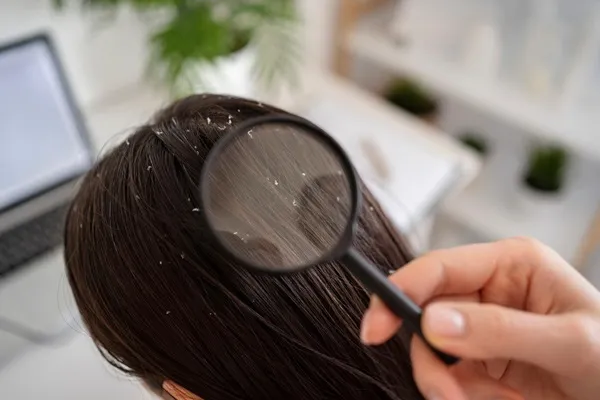
Understanding these causes is vital, especially for individuals considering a hair transplant, as an unhealthy scalp can impact the procedure’s success.
Consequences of dandruff affect hair transplants
The presence of dandruff affect hair transplants and it can significantly affect the outcome of a hair transplant in several ways:
- Scalp inflammation: Dandruff-related inflammation can hinder the healing process post-transplant, affecting the survival rate of transplanted hair follicles.
- Increased shedding: The itching associated with dandruff may lead individuals to scratch their scalp, potentially dislodging newly transplanted grafts and causing increased hair shedding.
- Infection risk: An unhealthy scalp environment due to dandruff can increase the risk of infections post-transplant, compromising the overall success of the procedure.
Therefore, managing dandruff effectively before and after a hair transplant is crucial to ensure optimal healing and hair growth.
The biological implications of dandruff on the scalp environment
To fully understand the impact of dandruff on hair transplants, it’s important to delve into the biological implications. Dandruff is often a symptom of an underlying imbalance in the scalp’s ecosystem. The overgrowth of Malassezia fungi, coupled with inflammation and an excess or deficiency of natural scalp oils, can create an environment that is hostile to the successful integration and growth of transplanted hair follicles.
When the scalp is in this compromised state, the transplanted grafts are more susceptible to infection, inflammation, and poor blood flow – all of which can jeopardize the success of the procedure. Additionally, the irritation and itching associated with dandruff can lead to excessive scratching, further damaging the delicate transplanted hair and increasing the risk of graft loss.
Dandruff affect hair transplants: Pre and post-care
Addressing dandruff is a crucial aspect of both pre- and post-transplant care. Before the transplant procedure, it’s essential for individuals to work closely with their healthcare providers to identify and treat any underlying scalp conditions, including dandruff. Similarly, in the post-operative phase, continued attention to scalp health is paramount.
Pre-transplant care
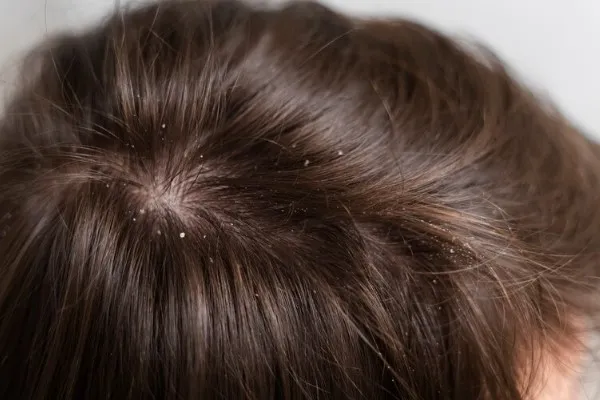
1- Consultation
Before proceeding with a hair transplant, it’s essential to meet with a qualified dermatologist or hair restoration specialist. This consultation ensures your scalp is in optimal condition for surgery. If you’re experiencing dandruff, seborrheic dermatitis, or other scalp conditions, your doctor will assess the severity and recommend an appropriate treatment plan. Addressing underlying issues beforehand not only improves scalp health but also enhances graft survival and overall transplant results.
2- Medicated shampoos
If dandruff is present, your specialist may advise using medicated shampoos containing active ingredients like ketoconazole, zinc pyrithione, or selenium sulfide. These antifungal and anti-inflammatory agents help reduce yeast overgrowth, commonly associated with dandruff, and calm irritated skin. Begin using these products at least a few weeks before your procedure to stabilise your scalp condition and lower the risk of post-operative complications such as excessive flaking or inflammation.
3- Scalp hygiene
Maintaining a consistently clean and balanced scalp is crucial in the weeks leading up to your transplant. Wash your hair regularly with a gentle, non-irritating shampoo that removes excess oil, product buildup, and dead skin cells without disrupting the scalp’s natural barrier. Avoid harsh scrubbing or overwashing, as this can exacerbate dryness or irritation. A healthy, flake-free scalp supports better graft adhesion and fosters a smoother recovery process.
Post-transplant care
1- Follow your surgeon’s instructions
Strictly adhere to all post-operative care instructions provided by your hair transplant surgeon. These guidelines are tailored to your specific procedure and healing process. They typically include crucial information about when to begin washing your hair, which products to use, how to handle scabbing, and what activities to avoid. Following these directions helps reduce the risk of infection, promotes faster healing, and ensures the best possible outcome for your transplanted hair follicles.
2- Practice gentle shampooing in the early stages
In the first few days to weeks after your procedure, it’s essential to wash your scalp gently to avoid dislodging grafts or irritating sensitive areas. Use only the mild, non-medicated shampoos recommended by your surgeon. These gentle cleansers help remove debris and excess oil without stripping the scalp or interfering with the healing grafts. Apply the shampoo lightly with your fingertips and rinse with lukewarm water, avoiding direct water pressure on the transplanted areas.
3- Hold off on anti-dandruff shampoos
Although it may be tempting to resume using anti-dandruff shampoos, medicated formulas often contain strong active ingredients such as ketoconazole, selenium sulfide, or salicylic acid, which can irritate or inflame a healing scalp. These products should only be reintroduced once your surgeon or dermatologist confirms your scalp has healed enough to tolerate them. Introducing these shampoos too early could disrupt the healing process and impact graft survival.
4- Hydrate your scalp
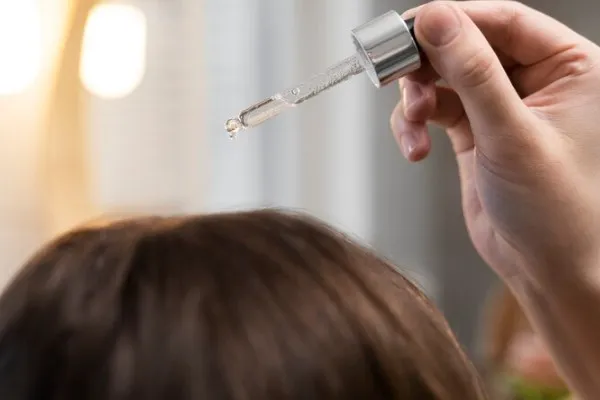
Post-transplant, the scalp can become dry, flaky, or itchy as part of the healing process. Using a gentle, surgeon-approved moisturizer can help keep the scalp hydrated, soothe irritation, and prevent flaking that may mimic or worsen dandruff. Avoid heavy oils or fragranced lotions that may clog follicles or cause sensitivity. Apply moisturizers sparingly and only as directed by your healthcare provider to support a balanced scalp environment.
5- Attend follow-up appointments
Scheduled check-ups with your surgeon are a vital part of your hair transplant recovery. These appointments allow your provider to assess the condition of your scalp, check the progress of graft healing, and address any complications, such as excessive dryness, redness, or signs of infection, before they worsen. It’s also an opportunity to discuss when it’s safe to resume regular hair care routines, including the use of anti-dandruff treatments if needed.
What are the long-term effects when dandruff affects hair transplants?
Neglecting to address dandruff can have long-lasting consequences on the success of a hair transplant. If the underlying scalp issues are left untreated, the transplanted hair follicles may struggle to maintain their health and viability over time. The persistent inflammation, irritation, and potential for infection can hinder the growth and development of the new hair, leading to suboptimal results and the possibility of further hair loss.
Moreover, the continued presence of dandruff can also impact the aesthetic appearance of the transplanted hair, with the flaky, scaly scalp detracting from the natural and seamless integration of the new growth. This can be particularly problematic for people who have undergone a hair transplant to achieve a more youthful and rejuvenated appearance.
To avoid these long-term complications, it is essential for patients to remain vigilant in their scalp care and address any signs of dandruff or other scalp health issues promptly. By working closely with their healthcare team, they can ensure the long-term success and satisfaction of their hair transplant investment.
Faq’s
Can dandruff affect hair transplants?
Dandruff itself is not a direct barrier to successful hair transplant results; however, it can indicate an underlying scalp condition that might affect the health of the hair follicles. If your scalp is suffering from significant dandruff, it’s advisable to treat it before the procedure. A healthy scalp promotes better healing and growth of transplanted hair, so addressing dandruff and ensuring a clean, nourished surface will enhance the odds of a successful transplant.
Should I treat my dandruff before undergoing a hair transplant?
Yes, treating dandruff is highly recommended prior to a hair transplant. A clean and healthy scalp is crucial for the hair follicles to thrive post-surgery. Persistent dandruff can lead to inflammation or irritation, which may jeopardize the success of the transplant. Consulting with a dermatologist for appropriate dandruff treatments can help prepare your scalp, paving the way for optimal results from the hair restoration procedure.
Will dandruff cause complications during the hair transplant procedure?
While dandruff itself does not pose major complications during the hair transplant procedure, it can make the scalp less than ideal for surgery. Excessive flakes and irritation may complicate the extraction of donor hair follicles and their implantation. Surgeons prefer working with a healthy scalp, so managing dandruff beforehand will help minimize potential issues and promote a smoother transplantation process.
Conclusion
Dandruff affect hair transplants by compromising scalp health before, during, and after the procedure. A scalp plagued by dandruff is often inflamed, irritated, and prone to infection—all of which can interfere with the delicate process of graft implantation and healing. While dandruff may seem like a minor issue, its biological impact on the scalp environment can significantly influence the success rate of transplanted follicles. For this reason, individuals considering a hair transplant should not overlook the importance of treating dandruff beforehand. By maintaining a clean, balanced, and healthy scalp, patients not only improve their chances of a successful transplant but also ensure the long-term vitality and appearance of their new hair.
At Capilclinic, we’re trusted by thousands of patients in the UK and Europe as a leading Hair Transplant Clinic in Turkey and Spain, known for our expert doctors, advanced facilities, natural hairline results, and affordable all-inclusive packages. Reach out to our team today to start your transformation.