



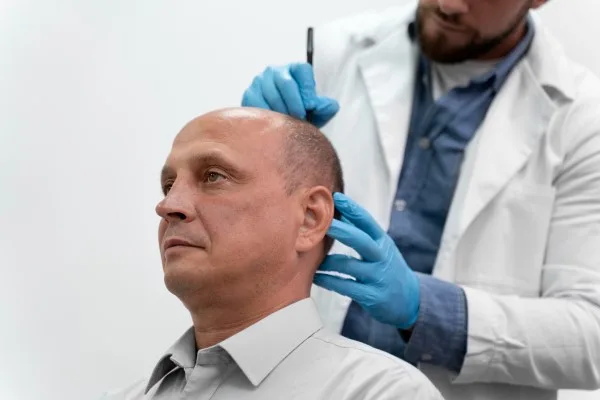
Hair transplantation has seen remarkable progress over time, with innovations improving both results and recovery. One of the most precise tools in this field is the Choi Implanter Pen, which is essential to the Direct Hair Transplantation (DHI) technique. This approach differs notably from the traditional FUE hair transplant by eliminating the need for channel opening. Understanding how does a hair transplant work with this pen can give patients clear insight into this advanced method.
The DHI technique aims to deliver a natural-looking and dense hairline while preserving the existing hair’s quality. It helps patients maintain their hair image and allows a quicker return to daily life without needing to shorten their hair. The procedure consists of two main stages: extracting hair follicles from the donor area and implanting them into the recipient site. This method ensures better precision and less discomfort.
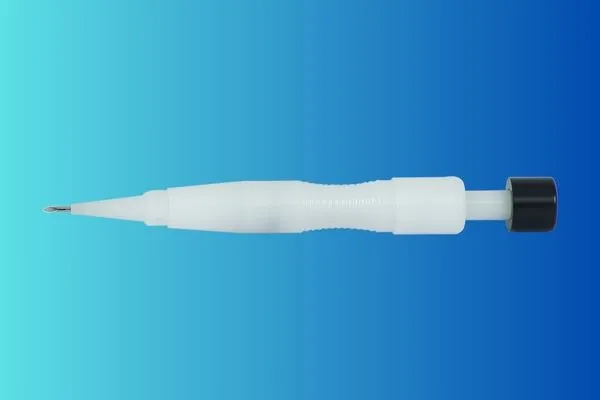
A key aspect of DHI is that channel opening is avoided. Instead, hair follicles are implanted individually using the specialised Implanter Pen, a pen-shaped tool with a hollow needle that loads and inserts grafts according to the hair’s natural direction. This process results in a fuller, more natural appearance that closely replicates genuine hair growth.
Compared to other methods, using the Choi Implanter Pen offers superior control and accuracy, reducing scalp trauma and increasing graft survival. The technique also allows the surgical team to speed up implantation by using multiple pens simultaneously. When considering hair transplant fees, many find the DHI method’s benefits and rapid recovery justify the cost. Patients looking at hair transplant before and after photos often highlight the remarkable improvement achieved through this technique.
What is a Choi Implanter Pen?
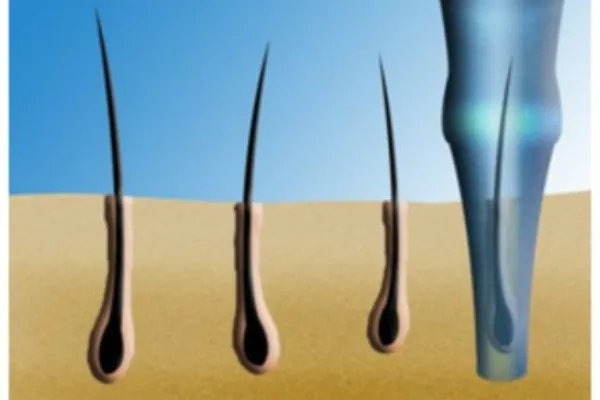
The Choi Implanter Pen is an innovative microsurgical device widely used in modern hair transplantation procedures. Developed by Dr John P. Choi, this tool offers surgeons enhanced precision and control when implanting hair follicles. Its design significantly improves the accuracy of follicle placement, making it a preferred choice among hair restoration specialists.
The pen features a small cylindrical tube ending with a hollow needle. Hair follicles are carefully loaded into this needle, which is then used to implant them directly into the recipient site on the scalp. The needle creates a tiny incision, allowing follicles to be implanted with minimal trauma to the surrounding tissue. This reduces recovery time and helps maintain follicle viability during the process.
Considered an advanced and highly efficient technique, the Choi Implanter Pen provides exceptional control over the angle, direction, and depth of each hair follicle’s placement. This level of precision is crucial for achieving natural-looking results. Moreover, by minimising follicle handling, it lowers the risk of damage or transection, which can impact the success of the transplant.
Patients often seek to see hair transplant before and after photos to understand the visible benefits of using this method. These images demonstrate the natural growth patterns and density achievable with the Choi technique, reflecting the device’s accuracy.
Why should surgeons use the Choi Implanter Pen in hair transplants?
The Implanter Pen is a highly efficient tool used in hair transplant surgery that employs Direct Hair Implantation (DHI), one of the most innovative and effective transplant techniques available. The Choi Pen has revolutionised hair transplant surgery by offering a minimally invasive approach that does not require the creation of incisions on the skin.
The Choi Pen allows grafts to be extracted from the donor area, which can be located at the back of the head, beard, chest, or other areas, and then implanted directly onto the transplanted area. The grafts are loaded into a hollow needle in the Choi Pen, which is connected to a tube and plunger. The implantation process is performed one graft at a time at an accurate angle of 40-45 degrees.
One of the key advantages of using the Choi Pen is that it significantly increases the survival rates of transplanted follicles. In traditional transplant techniques, grafts are kept outside the patient’s body while the doctor creates channels in the recipient area. This is a delicate procedure as unfrozen follicles can only survive outside the body for up to six hours.
During the operation, up to six Choi Pens with different needle sizes can be used to suit the graft’s size and the patient’s needs. Additionally, the Choi Pen allows for hair transplantation without shaving the recipient area, making it an ideal choice for patients with long hair who do not want to shave for the procedure.
What are the advantages of the Choi Implanter Pen?

The Choi Implanter Pen offers several important advantages over traditional hair transplant methods, making it a revolutionary tool in modern hair restoration. One of the standout benefits of the Implanter Pen is its minimally invasive approach, which significantly improves patient comfort and reduces recovery time.
1- Minimally invasive approach
A primary benefit of the Implanter Pen is its minimally invasive method. It does not require creating incisions on the skin, which leads to less trauma for the patient. This approach helps to reduce scarring and the risk of infection, while also shortening downtime, so patients can return to normal activities more quickly. When considering how does hair transplant work, this minimally invasive feature is a major advancement.
With smaller incisions and less tissue trauma, minimally invasive techniques lead to quicker healing. Patients report significantly less discomfort and shorter downtime after surgery. This not only minimises disruption to daily routines but also enhances the overall experience of undergoing a transplant.
2- Direct implantation of grafts
Another key advantage is the direct implantation of hair grafts. Unlike other techniques where channels must be prepared before inserting grafts, the Choi Pen allows surgeons to implant grafts directly into the scalp. This method reduces the handling and exposure of grafts, increasing the survival rates of transplanted follicles.
3- Efficiency and precision
Additionally, the Choi Pen is highly efficient and can save time during the procedure. Because the grafts are implanted directly into the skin, there is no need to create channels, which can be a time-consuming and delicate process. The implantation process is also highly accurate, with the Choi Pen allowing for the precise placement of each graft at an angle of 40-45 degrees.
4- Hair transplantation without shaving
A further benefit is that the Choi Pen permits hair transplantation without shaving the recipient area. This is particularly appealing for patients with longer hair who wish to avoid a shaved look during recovery. Unlike other methods that require shaving for optimal results, this feature makes the Choi Pen a discreet and patient-friendly option.
5- Versatility in graft size
Lastly, the Implanter Pen offers versatility by accommodating different graft sizes. Up to six pens with varying needle diameters can be used during the procedure, allowing the surgeon to tailor the technique to each patient’s specific needs. This customisation enhances both the quality and natural appearance of the transplant.
What are the disadvantages of the Choi Implanter Pen?
The Implanter Pen is widely used in hair transplant procedures for precise follicle implantation, but it does come with some disadvantages:
1- Steep learning curve
The Implanter Pen demands a high level of precision and dexterity from the surgeon using it. Unlike traditional manual implantation methods, where the surgeon might have more tactile feedback, the pen’s mechanism requires specific training to master the loading and implantation process without harming the delicate hair follicles. Beginners or those without extensive experience may struggle with controlling the device properly, which can affect the quality of the transplant and patient outcomes. Mastering the Implanter Pen is essential to achieving the best results.
Furthermore, the precision required to avoid crushing or damaging the grafts means that even skilled surgeons need to dedicate time to practice and perfect their technique. The pen’s unique handling characteristics and coordination between loading the follicle and implanting it simultaneously can increase the risk of errors in inexperienced hands. This steep learning curve can limit its widespread use among practitioners who lack specific training or who perform fewer transplants.
2- The Implanter Pen is essential to achieve the best results.
Furthermore, the precision required to avoid crushing or damaging the grafts means that even skilled surgeons need to dedicate time to practice and perfect their technique. The pen’s unique handling characteristics and coordination between loading the follicle and implanting it simultaneously can increase the risk of errors in inexperienced hands.
This steep learning curve can limit its widespread use among practitioners who lack specific training or who perform fewer transplants. It is particularly relevant when considering FUE hair transplant procedures, where delicate graft handling is crucial.
3- Limited control over angle and depth
While the Implanter Pen offers good precision, it can sometimes limit the surgeon’s ability to perfectly control the angle and depth of follicle placement, especially in challenging areas. Achieving natural-looking hair growth depends heavily on placing follicles at the right angle and depth, but the pen’s fixed needle design can make these adjustments more difficult compared to manual implantation with forceps. This may influence the overall aesthetic outcome in sensitive zones.
In areas with irregular scalp surfaces or dense packing, the rigidity of the pen’s needle may hinder fine adjustments. This can result in less than ideal follicle orientation, potentially affecting the naturalness of the hairline and overall appearance. Surgeons must be particularly cautious to compensate for these limitations, which may require additional skill or technique modifications.
4- Higher cost
One notable disadvantage of the Implanter Pen is the added cost involved in using the device. The pen itself is a specialised surgical tool, and its disposable needles or tips must be replaced frequently for hygiene and safety reasons. These consumables can significantly increase the operational expenses of each hair transplant procedure, pushing fees higher than with manual methods.
This higher cost often translates into more expensive treatments for patients, which may make the Choi technique less accessible or less appealing to some individuals. Clinics must balance the benefits of precision implantation with the financial implications, and some may prefer manual methods to keep costs down and attract a broader patient base. It’s important for patients to consider this when comparing different options.
5- Potential for follicle damage
The mechanical action of the Implanter Pen, which simultaneously creates the recipient site and implants the follicle, carries a risk of damaging the grafts if not handled with care. Improper loading or excessive force during implantation can crush or deform the follicles, reducing their survival rate after transplantation.
Even minor trauma to hair follicles can lead to poor growth or shock loss, which negatively impacts the success of the transplant. Surgeons must maintain meticulous technique and gentle handling when using the pen to minimise this risk, which requires experience and precision. Any lapse in technique may compromise the overall results and patient satisfaction.
6- Slower for large sessions
For very large hair transplant sessions involving thousands of grafts, the Implanter Pen may be slower than traditional implantation methods. Each follicle must be individually loaded into the pen’s needle before implantation, a process that takes time and can reduce the overall speed of the procedure. This slowdown can affect scheduling and patient comfort during lengthy sessions.
Manual implantation techniques, where assistants can implant multiple follicles simultaneously using forceps, often allow faster work during large sessions. This time difference can affect patient comfort, surgery duration, and clinic scheduling, making the pen less efficient for very large-scale transplants despite its precision benefits. The impact on hair transplant fees may also be noticeable in these cases due to longer operating times.
7- Maintenance and sterilisation
The pen requires careful maintenance and thorough sterilisation to prevent infections and ensure patient safety. Its design includes fine, delicate components that must be properly cleaned after each use, which adds to the operational complexity of the procedure. This means clinics must have strict protocols in place.
Clinics need dedicated sterilisation protocols and equipment to manage the pen and its disposable tips effectively. This not only increases the workload for surgical staff but also raises costs related to sterilisation supplies and quality control, which some smaller clinics may find challenging to sustain. These factors can indirectly influence the overall cost of treatment.
8- Less suitable for certain hair types
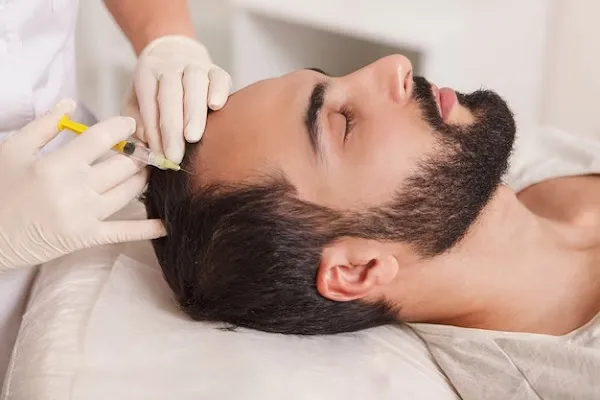
The pen can be less effective or more difficult to use on very curly, fine, or fragile hair follicles. Curly hair grafts need delicate handling. They often require special angling to maintain their natural pattern. This careful positioning helps prevent damage. However, achieving this with the pen’s mechanical action can be harder.
Moreover, fine or fragile follicles are more prone to trauma during implantation. The pen’s fixed needle mechanism can cause extra stress. In contrast, manual implantation techniques are more flexible and gentle. Therefore, this limitation may reduce the pen’s suitability for certain hair types. For these cases, manual or alternative methods are usually preferable.
Conclusion
Choi Implanter Pen technology has truly transformed hair transplantation. Its innovative design allows precise and direct implantation of hair follicles. As a result, it creates a natural-looking hairline and causes minimal trauma to the scalp. Furthermore, by eliminating the need for channel creation, it streamlines the procedure. This also reduces the risk of damage to the grafts. Consequently, overall graft survival rates improve.
In addition, this technique offers significant benefits for patient comfort and convenience. The minimally invasive approach leads to less scarring and faster recovery times. Moreover, the ability to perform hair transplants without shaving the recipient area makes it highly desirable. This is especially true for patients with longer hair. They can maintain their appearance throughout the entire process.
The Implanter Pen offers both efficiency and precision. Because of this, surgeons can customise the treatment for each patient’s needs. They often use multiple pens with different needle sizes. This helps to optimise the results. As a result, each graft is placed at the perfect angle and depth. Consequently, the final look is dense and natural.
Are you considering a hair transplant and want to benefit from the latest advancements like the Choi Implanter technique? Visit the website of our clinic at capilclinic.uk to know more about it. Our expert team is ready to guide you through the process. We will help you achieve the best possible results with confidence.
At Capilclinic, we’re trusted by thousands of patients in the UK and Europe as a leading Hair Transplant Clinic in Turkey and Spain, known for our expert doctors, advanced facilities, natural hairline results, and affordable all-inclusive packages. Reach out to our team today to start your transformation.