




As summer bids its brief farewell and gracefully yields to the initial signs of autumn, many wonder if the change in season is linked to an increase in hair loss. This question has prompted numerous studies on the matter. Research findings suggest that it is normal to experience heightened hair loss during seasonal transitions, particularly from summer to autumn. A significant study published in the “British Journal of Dermatology” involved hundreds of participants from eight different countries over a decade. The results of this study confirm that the incidence of hair loss tends to rise during shifts between seasons.
According to the report, our hair has played a crucial role in human evolution by providing warmth. Consequently, in warmer seasons, there is a higher tendency to shed more hair follicles compared to colder seasons. This phenomenon results in a noticeable decrease in hair volume during spring, which continues until the beginning of autumn. During this period, the natural hair cycle accelerates to facilitate the regeneration of most hair with newer, warmer strands.
What is Hair Loss?
Hair loss, also known as alopecia, is a condition in which hair falls from the scalp or other body parts. It can occur for various reasons, including genetics, hormonal changes, medical conditions, or certain medications or treatments. Hair loss can manifest as thinning, receding hairlines, bald patches, or complete hair loss.
While some hair shedding is normal, excessive or sudden hair loss may indicate an underlying issue requiring medical attention. Treatments for hair loss can range from lifestyle changes and medications to more advanced procedures like hair transplantation.
Autumn Hair Loss Causes
As the vibrant hues of autumn foliage emerge, the season brings not only a change in the weather but also potential effects on our hair. Understanding how autumn affects hair can empower individuals to take proactive measures to maintain optimal hair health during this transitional period.
Color and Style Considerations
Autumn may inspire changes in hair color and style preferences. However, frequent use of styling tools, such as curling irons or straighteners, combined with exposure to dry air, can lead to damage and increased breakage. Using heat-protectant products and minimizing styling tools can help preserve the hair’s health.
Holistic Solutions
To counteract the effects of autumn on hair, holistic approaches can be adopted. This includes regular scalp massages to stimulate blood flow, stress management techniques to minimize the impact of stress-related hair loss, and incorporating hair care products specifically designed for the season.
Climate and Dryness
With the arrival of autumn, the air tends to become cooler and drier. This shift can lead to increased dryness in both the scalp and hair. The lack of humidity may cause hair to become brittle and more prone to breakage. Adjusting hair care routines to combat this dryness and incorporating moisturizing products to hydrate and nourish the hair strands is essential.
Seasonal Shedding
The predominant cause of autumn hair loss is seasonal shedding. This natural phenomenon occurs as the days shorten and temperatures decrease. During this period, hair follicles transition into the telogen and resting phases. In the telogen phase, hair ceases to grow and eventually sheds, leading to increased hair fall during the autumn months.
Changes in Daylight
The reduction in sunlight during autumn can impact the production of melatonin, a crucial hormone that regulates various bodily functions, including hair growth. The decrease in melatonin levels may disrupt the normal hair growth cycle, contributing to heightened hair loss during this season.
Stress
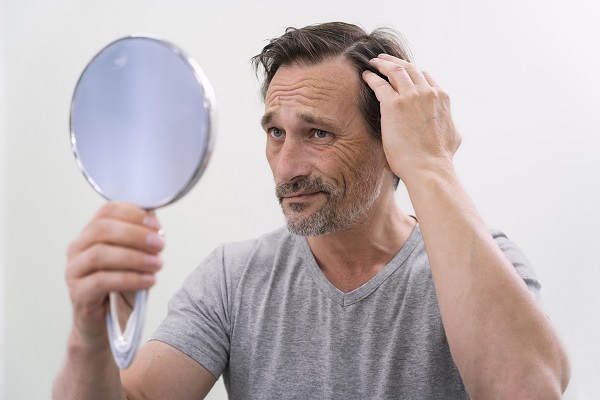
While stress can induce hair loss throughout the year, its effects may be more noticeable in autumn, given the additional stressors associated with seasonal changes. Stress triggers the release of hormones that can negatively impact the hair growth cycle, leading to increased shedding.
Dietary Factors
Nutrition plays a significant role in maintaining healthy hair, and deficiencies in certain nutrients can contribute to hair loss. Autumn, with its shift in dietary patterns and potential decrease in sun exposure, may lead to deficiencies in essential elements such as iron and vitamin D. These nutritional gaps can affect the strength and vitality of the hair, exacerbating hair loss during this season.
By recognizing and addressing these autumn-related factors, individuals can take proactive steps to nurture their hair, ensuring it remains healthy and vibrant throughout the seasonal changes. Whether through adjusting hair care routines, maintaining a nutritious diet, or implementing stress management practices, a comprehensive approach can help individuals embrace the beauty of autumn without compromising their hair’s well-being.
How Much Hair is Normal for Us to Lose?
Within the realm of hair health, a topic we delve into extensively in this blog, it’s crucial to understand that the average daily hair loss for both men and women typically hovers between 50 and 100 hair follicles. However, this number may increase, reaching 150 hairs, particularly during seasonal transitions.
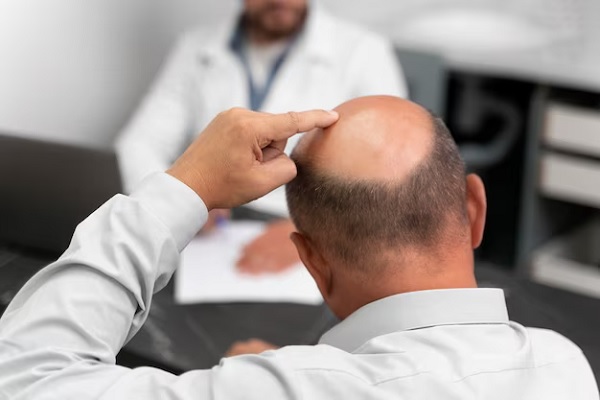
Should the incidence of hair fall surpass these established parameters, it is strongly recommended to promptly seek the counsel of a medical professional. Such an elevated loss of hair is indicative of a departure from the expected natural cycle of hair growth, warranting a closer examination and intervention by a healthcare expert.
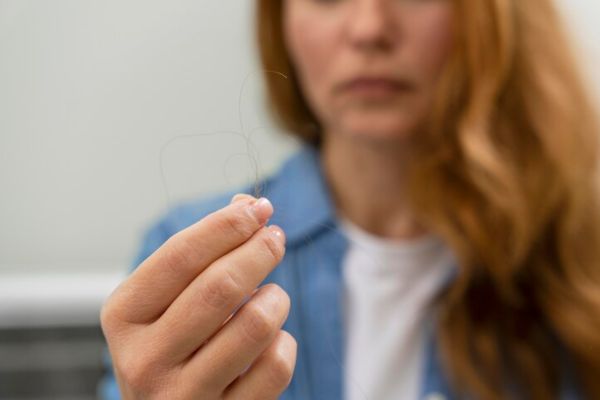
The hair growth cycle lasts 2 to 6 years and concludes with the shedding of old follicles to make way for new ones. Following a three-month phase characterized by occasional hair volume and density loss, these effects gradually diminish.
If an unusual hair loss is detected, consulting a specialist is essential. Factors such as seasonal changes, nutritional deficiencies, stress, hormonal fluctuations, medication intake, or the body’s response to treatment could be responsible. Timely identification of alopecia is crucial to prevent its widespread impact on the scalp.
For those facing such a situation, hair transplantation is a viable option. Capiclinic, our specialized clinic, excels in hair grafting, ensuring lifelong results at competitive prices.
Symptoms of Autumn Hair Loss
Are you noticing more hair fall as the autumn season sets in? If so, you’re not alone. Many people experience increased hair shedding during the fall months. The changing weather, decreased sunlight, and other seasonal factors can contribute to this phenomenon. Let’s explore the common symptoms of autumn hair loss and provide tips for managing and minimizing this seasonal issue.
Increased Shedding
- Observation Areas: Pay attention to your brush, comb, and the floor, where you may notice an uptick in the number of shed hairs.
- Quantification: Count the strands to determine if the increase is significant compared to your regular hair-shedding patterns.
- Consistency: Note whether the shedding is continuous or intermittent during your hair care routine.
Hair Thinning
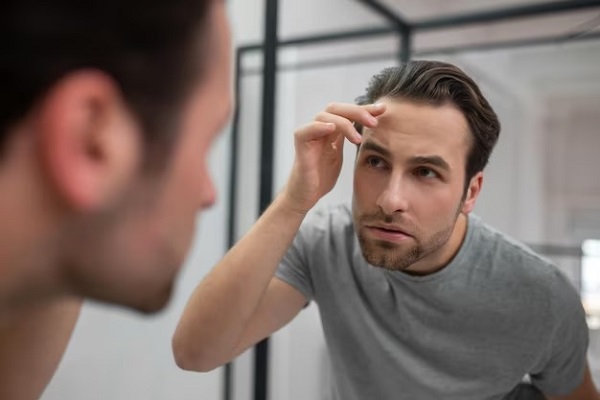
- Texture Changes: Observe changes in the texture of your hair, such as reduced volume or density.
- Visual Comparison: Compare recent photographs of your hair with earlier ones to visually assess any noticeable thinning.
- Hair Strand Examination: Examine hair strands for signs of thinning, brittleness, or reduced diameter.
Patches of Baldness
- Location Identification: Note the specific areas on your scalp where patches of baldness are developing.
- Size and Shape: Measure the length and observe the shape of these patches to provide accurate information to a healthcare professional.
- Rate of Progression: Monitor how quickly these patches are expanding, if at all, to gauge the severity of the condition.
It’s essential to keep a detailed record of these symptoms and any potential contributing factors, such as changes in diet, stress levels, or exposure to environmental elements. Seeking professional advice from a dermatologist or healthcare provider can help accurately diagnose the cause of autumn hair loss and develop an effective treatment plan tailored to individual needs.
Approaches to Address Autumn Hair Loss
Scalp Massage Techniques
Regular scalp massages during the autumn season can prove beneficial in mitigating hair loss. The gentle stimulation of the scalp promotes increased blood circulation, nourishing hair follicles and encouraging healthy hair growth.
Nutrient-Rich Diet
Adopting a well-balanced and nutrient-rich diet is crucial for optimal hair health, especially during the fall. Incorporating foods rich in vitamins, minerals, and proteins, such as leafy greens, fruits, nuts, and lean proteins, can provide the essential nutrients that support hair growth and prevent excessive shedding.
Stress Management Strategies
Stress is a known factor that can contribute to hair loss. Implementing effective stress management techniques, such as regular exercise, meditation, or mindfulness practices, can help minimize the impact of stress on the hair follicles, reducing the likelihood of hair loss during the autumn season.
Specialized Hair Care Products
Explore the use of hair care products specifically formulated to address thinning hair. Shampoos and conditioners designed to strengthen and volumize can contribute to maintaining hair density and reducing the effects of seasonal hair loss. Look for products with ingredients known for their hair-nourishing properties, such as biotin, keratin, and plant-based extracts.
Supplement Intake
Consider incorporating supplements into your routine to address any nutritional deficiencies contributing to hair loss. Supplements like iron and vitamin D play vital roles in hair health. Consult a healthcare professional to determine the appropriate dosage and ensure supplementation meets your needs.
Adopting a holistic approach that combines these strategies can provide a more detailed and targeted response to autumn-related hair loss, promoting overall hair wellness and minimizing the impact of seasonal changes.