




You may be losing hair without realizing it. For healthy hair production, many factors must align. If you exercise, you need to understand if anabolic steroids and alopecia have something in common. Certain medications can disrupt hair growth, but not all do. Patients on steroid medications may experience damage from anabolic steroids and alopecia, and halting medication isn’t always viable.
Sometimes, a condition could threaten life, necessitating the continuation of medication despite side effects. However, anabolic steroids are not life-saving. They possess anti-inflammatory properties and treat various conditions such as arthritis, Crohn’s disease, lupus, eczema, and asthma. Let’s examine how anabolic steroids and alopecia are connected.
What is the link between anabolic steroids and alopecia?

Anabolic steroids can have a significant impact on the body’s hormone levels, and this disruption can lead to various side effects, including hair loss. When the body is exposed to high levels of androgens (male hormones) like those found in anabolic steroids, it can trigger a process called androgenetic alopecia, which is the most common form of hair loss.
A receding hairline, thinning of the hair on the top and sides of the head, and, in some cases, complete baldness characterize androgenetic alopecia. This type of hair loss is often genetic, but the use of anabolic steroids can amplify the problem.
How are anabolic steroids and alopecia related?
The connection between anabolic steroids and alopecia lies in their impact on dihydrotestosterone (DHT), a potent derivative of testosterone. When people use anabolic steroids, their bodies experience an increase in DHT production. This surge of DHT actively binds to the receptors on hair follicles, initiating a process that leads to the miniaturization of these follicles. Consequently, this miniaturization can result in significant hair loss over time.
Moreover, anabolic steroids disrupt the natural hair growth phases. As a result, more hair follicles enter the telogen phase, which is the resting stage of hair growth. During this phase, the hair eventually sheds from the follicle. Therefore, people may notice a dramatic increase in hair loss, manifesting as thinning or patchy areas on the scalp. The cumulative effects of these processes can significantly diminish hair density and promote the appearance of alopecia.
What are anabolic steroids?
The body produces steroids, which are chemical substances, naturally. Additionally, synthetic equivalents work similarly to the body’s naturally produced steroid hormones. Steroids treat inflammation and its associated symptoms, including swelling, discomfort, and redness. They can be administered as creams, lotions, gels, liquids, tablets, sprays, inhalers, nasal sprays, injections, and syrups, among other forms.
These substances need only to be taken temporarily. Within a few days, they assist in treating flare-ups. Steroids administered briefly and in small doses typically don’t have many side effects. However, they can also result in some skin thinning, acne, weight gain, agitation, and mood swings. The adverse effects of steroids can vary depending on the type you’re using.
What are the symptoms of steroid-induced Alopecia?
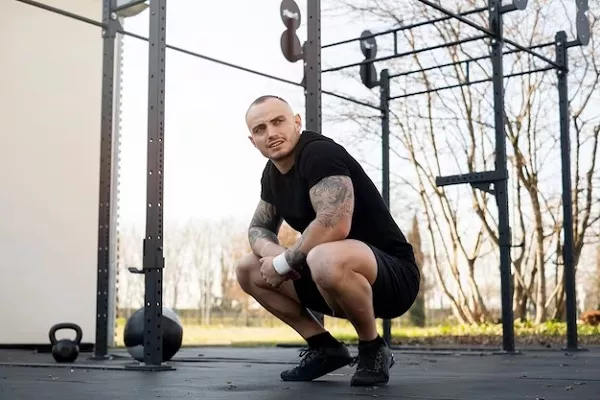
The symptoms of steroid-induced alopecia can manifest in diverse ways among people; however, some of the most prevalent indicators include:
- Thinning hair: A noticeable reduction in the volume of hair, particularly on the scalp, leading to a more exposed scalp and diminished hair fullness.
- Receding hairline: A gradual retreat of the hairline, often accompanied by the formation of an elongated forehead, which can be particularly prominent on the temples.
- Patchy or uneven hair loss: Patches of hair that become sparse or completely absent, resulting in a distinctly uneven appearance across the scalp, which can be both alarming and distressing.
- Increased hair shedding: A marked rise in the amount of hair falling out during daily activities, such as showering or brushing, leaving strands scattered more frequently.
- Difficulty managing or styling hair: This can lead to challenges in achieving desired hairstyles or maintaining hair quality, as the hair may become more fragile and unmanageable, making it tough to style as usual.
What anabolic steroids cause alopecia?
While the use of any anabolic steroid has the potential to trigger hair loss, some specific steroids are more commonly associated with alopecia or steroid-induced hair loss. Here are some of the anabolic steroids that have been linked to alopecia:
Dihydrotestosterone (DHT)-derived steroids
These steroids increase the production of dihydrotestosterone (DHT), a primary cause of androgenetic alopecia. Higher levels of DHT can bind to hair follicle receptors, leading to miniaturization and eventual hair loss.
- Stanozolol (Winstrol).
- Drostanolone (Masteron).
- Oxymetholone (Anadrol).
Testosterone-based steroids

While not as potent as the DHT-derived steroids, high levels of testosterone can also contribute to hair loss by converting to DHT in the body.
- Testosterone enanthate.
- Testosterone cypionate.
- Testosterone propionate.
17-alpha-alkylated steroids
These oral steroids are particularly harsh on the body and can cause a rapid spike in androgen levels, leading to a higher risk of alopecia.
- Methandrostenolone (Dianabol).
- Oxandrolone (Anavar).
What are the types of steroids?
Steroids come in two different varieties: corticosteroids and anabolic steroids.
Corticosteroids
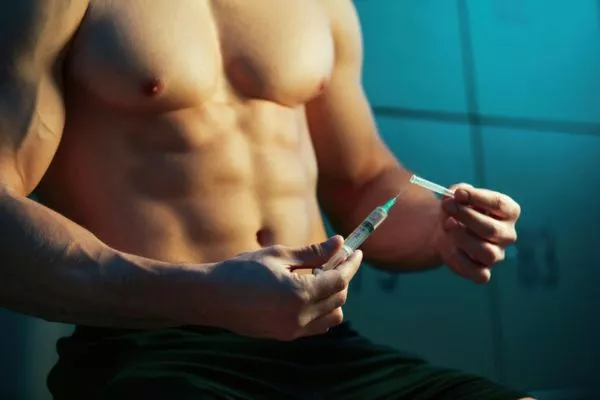
Corticosteroids mimic the cortisol hormone, which the adrenal glands naturally produce in the body. These synthetic compounds actively reduce inflammation, making them essential for treating autoimmune diseases. However, they weaken the immune system, increasing the body’s vulnerability to infection.
Corticosteroids help manage various conditions by suppressing the immune system’s inflammatory response. They are available in multiple forms, such as inhalers, nasal sprays, creams, pills, liquids, and IVs. Despite their benefits, corticosteroids often cause side effects, including acne, mood swings, unusual hair growth, elevated blood sugar, weight gain, nausea, and high blood pressure.
Anabolic Steroids
Athletes often use synthetic hormones like anabolic steroids to enhance muscle mass and improve performance. These steroids, synthetic variants of testosterone, are commonly abused due to their muscle-building properties. Many individuals exceed recommended doses, seeking faster results and improved physical appearance. Doctors prescribe anabolic steroids to people with low testosterone levels, including AIDS patients needing to regain muscle mass.
However, abusing these hormones poses significant risks. As said before, and being more specific, in females, anabolic steroids may cause baldness, voice deepening, irregular menstruation, and abnormal hair growth. Additionally, they can trigger extreme anger and mood swings. Before using steroids, consulting a doctor to review your medical history is crucial, as conditions like diabetes can worsen, potentially leading to hair loss.

Suppose you are using or considering using anabolic steroids. In that case, it’s crucial to consult with a healthcare professional to understand the risks and explore ways to mitigate the potential for steroid-induced alopecia.
Treatment for anabolic steroids and alopecia
If you are experiencing alopecia because of anabolic steroid use, there are several treatment options available to help manage the condition. Here are some of the most common and effective treatments for anabolic steroid-induced alopecia:
Discontinuation of anabolic steroid use
The first and most crucial step is to discontinue the use of anabolic steroids. This will help stabilize the body’s hormone levels and slow or stop the progression of hair loss. However, hair regrowth may take several months after stopping steroid use.
Topical Treatments
Your healthcare provider may prescribe topical medications to help stimulate hair growth and slow the rate of hair loss. Some common topical treatments include:
- Minoxidil (Rogaine): This over-the-counter medication can help promote hair regrowth by increasing follicular blood flow.
- Finasteride:This prescription medication works by blocking the conversion of testosterone to DHT, which is a primary driver of androgenetic alopecia.
Hair transplant surgery
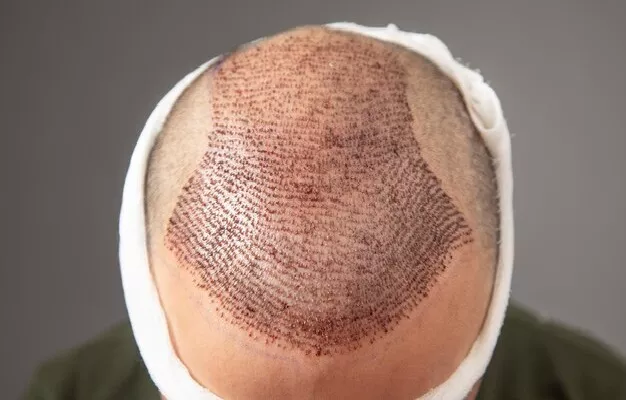
Hair transplant surgery may be an option for severe or persistent hair loss. This procedure involves transplanting healthy hair follicles from one area of the scalp to the affected areas, helping to restore hair growth. You can look at our hair transplant experts, like FUE Sapphire Pack, at CapilClinic.
Oral medications
In some cases, your healthcare provider may recommend oral medications to help regulate hormone levels and reduce the impact on hair follicles. These may include:
- Anti-androgen drugs: Such as spironolactone or cyproterone acetate, which can block the effects of DHT.
- Prescribed steroid alternatives: Like oxandrolone or stanozolol, which may have less impact on hair loss.
Lifestyle changes
Maintaining a healthy lifestyle, including a balanced diet and regular exercise, can help support hair health and potentially mitigate the effects of anabolic steroid-induced alopecia.
Faq’s
What steroids do not induce hair loss?
Deca Durabolin ought to lessen hair loss. However, before using it, talk to your doctor. Combining it with finasteride can cause severe hair loss.
How can I minimize alopecia when using anabolic steroids?
To minimize alopecia with anabolic steroids, choose low-androgenic options like Nandrolone or Oxandrolone, use low doses, and consider DHT blockers like finasteride. Monitor hair health and treat early shedding with minoxidil. Consult a doctor if genetically predisposed to alopecia for safer alternatives.
Can hair loss from steroids be reversed?
In many cases, anabolic steroids cause permanent alopecia if you are predisposed to androgenic alopecia. However, early intervention with treatments like minoxidil or finasteride may help slow or reduce hair loss.
Conclusion
The connection between anabolic steroids and alopecia is complex, rooted in hormonal disruptions that accelerate hair loss in susceptible individuals. While some steroids are more likely to induce alopecia, understanding the risks and taking preventive measures can help manage this side effect. Opting for low-androgenic steroids, monitoring hair health, and utilizing treatments like minoxidil or DHT blockers can mitigate the impact. However, discontinuing steroid use remains the most effective approach for stabilizing hormone levels and preventing further hair loss.
At Capilclinic, we’re trusted by thousands of patients in the UK and Europe as a leading Hair Transplant Clinic in Turkey and Spain, known for our expert doctors, advanced facilities, natural hairline results, and affordable all-inclusive packages. Reach out to our team today to start your transformation.