



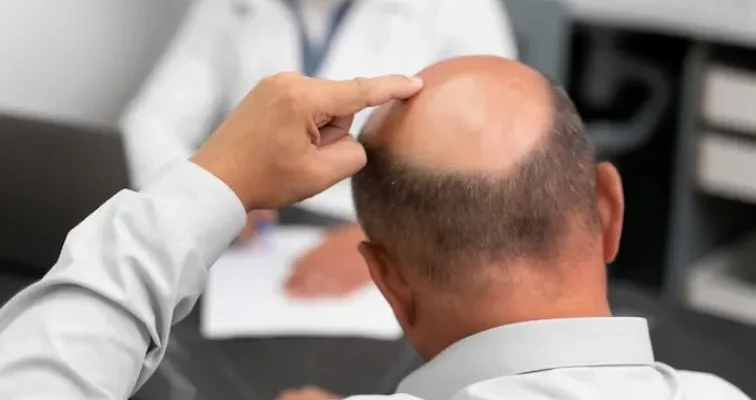
The answer to whether you can return to work after a hair transplant largely depends on several factors, including the type of procedure performed, the nature of your job, and how well you follow post-operative care instructions. In this article, we’ll explore everything you need to know about getting back to work after a hair transplant. From the ideal recovery timeline to what to expect during the first few days, we’ll provide a comprehensive guide to help you prepare and plan effectively.
What you need to know about work after a hair transplant
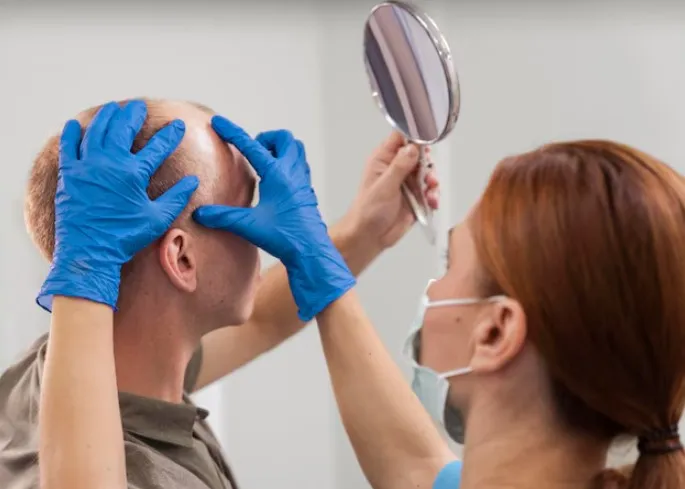
Wondering when you can return to your job post-procedure? The topic of work after a hair transplant is often discussed during the initial consultation phase. Patients are usually keen to resume their daily routine as quickly as possible. However, while hair transplants are considered minimally invasive procedures, they still involve a recovery period that demands careful attention.
Whether you undergo Follicular Unit Extraction (FUE) or Follicular Unit Transplantation (FUT), your scalp will need time to heal. The transplanted grafts must settle, and your body requires a few days to respond to the microtrauma caused during the process. Jumping back into a physically demanding job or a high-stress work environment too soon could potentially interfere with the success of the transplant. Therefore, understanding the balance between recovery and returning to work is crucial for optimal results.
What factors influence the return to work after a hair transplant?
Planning your schedule at work after a hair transplant requires careful consideration of several key factors that can influence your recovery period. These elements not only affect how soon you can resume professional activities but also determine how comfortable and safe your return will be.
1- Type of hair transplant procedure
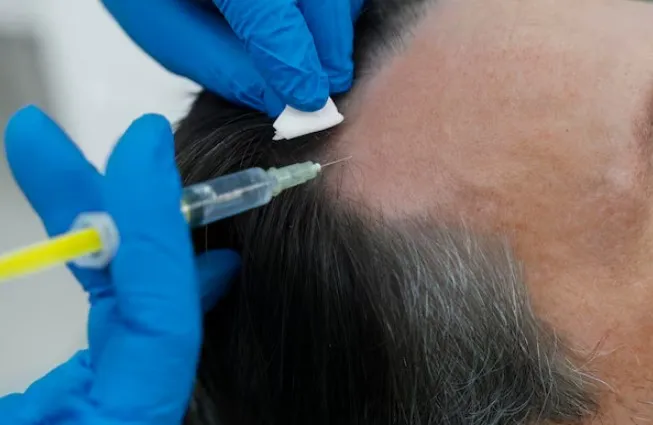
The technique used for your hair transplant plays a crucial role in determining your healing timeline. While both Follicular Unit Extraction (FUE) and Follicular Unit Transplantation (FUT) aim to restore hair growth, they differ significantly in their impact on recovery. Regardless of the procedure you choose, ensuring a smooth transition back to work requires patience and attentiveness to your body’s healing process.
Rushing back into a physically demanding or high-stress work environment prematurely can increase the risk of complications, such as dislodged grafts, infection, or prolonged swelling. To optimise your results, follow post-operative care instructions meticulously, avoid strenuous activity, and prioritise your scalp’s recovery before returning to your routine.
Follicular Unit Extraction (FUE)
FUE is a minimally invasive technique designed to transplant individual follicular units without requiring large incisions. During this procedure, a specialised micro-punch tool extracts hair follicles directly from the donor area, typically the back or sides of the scalp, leaving behind tiny circular wounds that heal rapidly. Since the method does not involve stitches or large scars, recovery tends to be faster, with patients often returning to desk-based jobs within three to five days.
However, while FUE offers a shorter recovery period, the process still involves minor swelling, redness, and scabbing at the extraction and implantation sites. Patients are advised to avoid direct sun exposure, excessive sweating, and activities that could disturb the healing grafts during the first week. For those engaged in physically demanding jobs, such as construction or manufacturing, an extended recovery period is recommended to prevent unnecessary strain on the healing scalp.
Follicular Unit Transplantation (FUT)
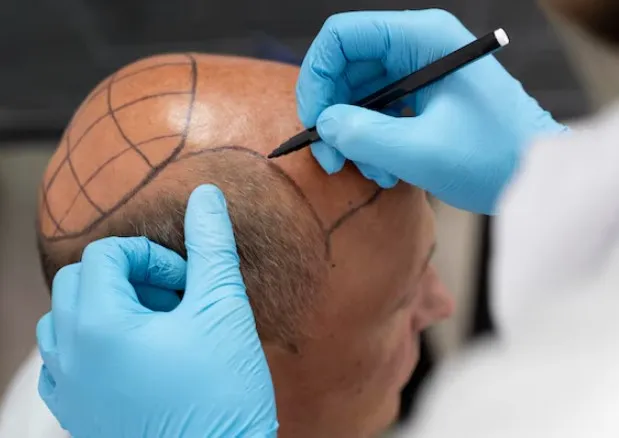
FUT, on the other hand, is a more traditional and surgical approach that involves removing a thin strip of tissue from the donor area. This strip is then meticulously dissected into individual follicular units before being implanted into thinning or bald sections of the scalp. Since FUT requires sutures to close the donor site, the healing process is longer, generally taking around 10 to 14 days for the wound to fully close and the scalp to regain stability.
Following the procedure, patients may experience mild discomfort, tightness, and swelling around the treated area. The linear scar at the donor site necessitates careful post-operative care to ensure proper healing and minimise tension that could stretch the wound. While office workers may resume tasks within a week, individuals involved in physically strenuous jobs should allow for additional downtime to prevent unnecessary movement or pressure on the scalp, which could compromise the final results.
2- The nature of the job
Your profession plays a major role in deciding when you can safely return to work. If your job involves mostly office tasks with minimal physical effort, you may resume work within a few days. Sitting at a desk and using a computer puts little pressure on your healing scalp. Therefore, this type of work environment supports a smooth recovery.
In contrast, jobs that involve physical labour or exposure to harsh conditions require more downtime. That is especially true in fields like construction, manufacturing, or outdoor work. These roles often involve dust, sweat, dirt, and the use of protective headgear. Such factors can irritate the scalp, raise the risk of infection, and disrupt new grafts before they fully settle.
To protect your results, you should take extra precautions. In some cases, it’s best to extend your leave until the scalp heals enough to handle those conditions. Prioritising recovery now can lead to better long-term outcomes.
3- The individual healing rate
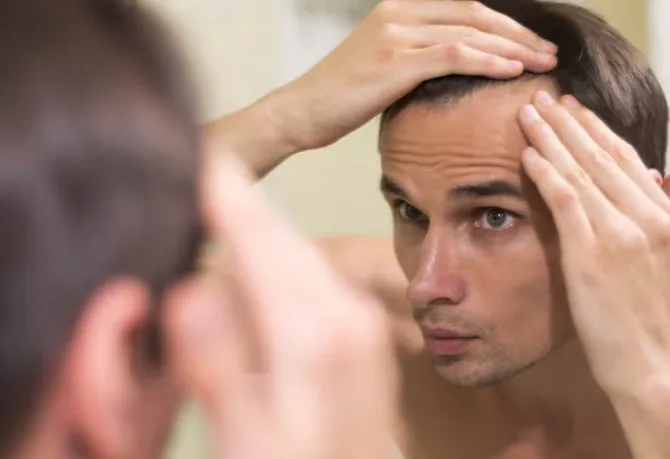
Healing varies from person to person and depends on several personal factors. Your age, overall health, immune response, and how well you follow post-operative instructions all affect your recovery speed. For example, younger individuals with good circulation and no underlying health issues often heal more quickly. They may return to work sooner than others.
On the other hand, people who smoke, have poor circulation, or manage medical conditions may need more time to recover. To support healing, it’s important to follow your surgeon’s advice closely. In addition, eating a nutrient-rich diet and staying hydrated can help your scalp regenerate faster. Avoiding strenuous activity also reduces the risk of complications. Altogether, these steps play a key role in improving recovery and achieving better transplant results.
What is the recommended time off work after a hair transplant
Taking adequate time off work is essential to ensure your grafts are protected during their most delicate stage. Let’s examine the general timelines and recommendations.
For FUE patients
Most patients who undergo FUE can return to office work within 3 to 5 days. During this period, swelling usually subsides. Initial redness and scabbing also begin to fade. However, if your job involves high-intensity tasks or exposure to contaminants, it’s wise to extend recovery time. In such cases, taking 7 to 10 days off is often recommended.
The main goal during recovery is to protect your head from trauma, sweat, and friction. Even small actions, like wearing a helmet or bending over often, can loosen the grafts. These movements may interfere with healing before the grafts fully anchor. Therefore, taking proper care is essential for the best outcome.
For FUT patients
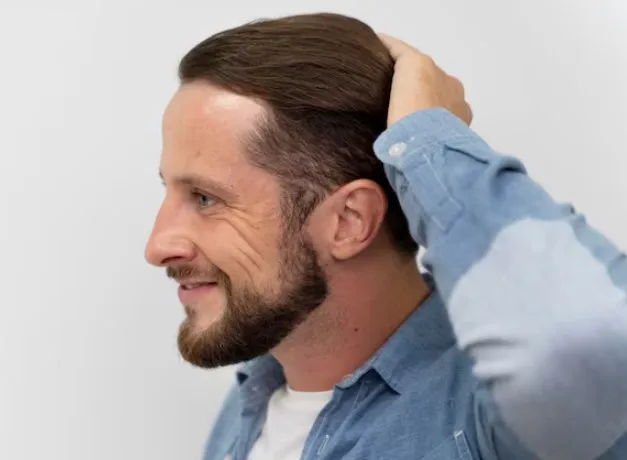
Due to the nature of the FUT technique, a longer downtime is typically advised. Doctors usually advise patients to take at least 10 days off work. This time allows the donor area to heal properly. It also helps prevent stress on the stitches during recovery. The strip method creates a linear scar that needs time to close.
If patients move too soon, they may delay healing. Moreover, early activity could lead to discomfort or complications. Consult with your surgeon before heading back to work after a hair transplant. They will assess your healing progress and let you know if it’s safe to resume daily activities.
Faq’s
Can I return to work after a hair transplant if I work remotely?
Yes, returning to work after a hair transplant is much easier for remote workers. With minimal social exposure and a controlled environment, you can typically resume tasks within 2 to 3 days, provided they’re not physically demanding. Just be sure to follow post-operative care instructions to avoid complications.
Is it okay to work after a hair transplant if I wear a uniform or hard hat?
Working after a hair transplant in roles that require protective headgear is not advisable during the early recovery phase. You should avoid wearing anything tight on your head for at least 7 to 14 days, depending on the method used. Speak to your surgeon for exact recommendations based on your procedure.
How do I manage stress at work after a hair transplant?
Stress can delay recovery and may even impact hair regrowth. Returning to work after a hair transplant should be gradual. Prioritise rest, set realistic deadlines, and use stress-relief techniques like breathing exercises. If necessary, ask your employer for lighter duties during your first week back.
Conclusion
Work after a hair transplant is not something you need to worry about if you plan wisely and follow professional advice. Returning to work safely involves understanding your body’s needs, the technical aspects of your procedure, and the demands of your job. Whether you’re working from home or on-site, a little preparation goes a long way in protecting your investment in hair restoration. Ultimately, give your body the time it needs to heal. Consult your surgeon, respect your recovery timeline, and take the necessary precautions to avoid complications. With the right care, you’ll be back to work after a hair transplant feeling more confident than ever.
At Capilclinic, we’re trusted by thousands of patients in the UK and Europe as a leading Hair Transplant Clinic in Turkey and Spain, known for our expert doctors, advanced facilities, natural hairline results, and affordable all-inclusive packages. Reach out to our team today to start your transformation.