




While many people associate greying hair with old age, various factors can contribute to the development of greying or even premature gray hair. But whatever be the case, there is very little proof that having gray hair means you have overcome baldness. This can be considered a sort of misinformation that should be discarded because it raises false hope in people and stops them from taking professional responses to their hair loss situation. In this article we will talk about Will I Overcome Baldness When I Start Experiencing Gray Hair?
To solve this problem, it will be imperative we examine the causes of both gray hair and hair loss. This will help us see from the fact whether there is any causative relationship between them.
Hair loss
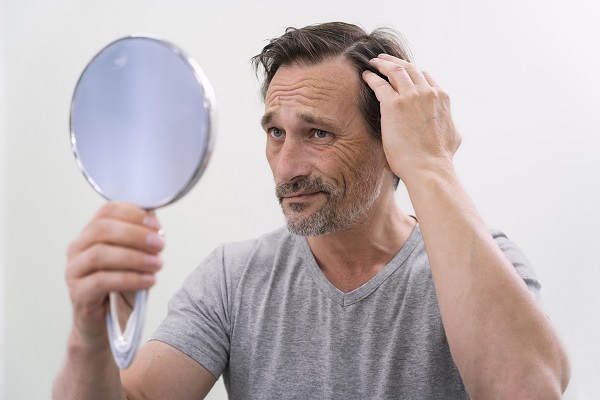
Around 100,000 hair follicles can be found on the adult scalp. It’s normal for the scalp to shed roughly 100 hairs a month, and those hairs will grow back in around five months. Prolactin levels in men begin to rise at the age of 40, triggering the development of the chemical 5-alpha reductase, which influences the conversion of testosterone to dihydro-testosterones (DHT). This is the primary factor that controls hair loss in males, especially. To put it another way, DHT promotes hair loss because it shrinks follicles and causes hair to fall out in places like the crown, brows, and temples for males; and it also causes hair to fall out throughout the entire scalp for women.
The effect of age
Human maturing is a natural process that cannot be avoided. Still, it can be slowed down with a healthy diet that includes complex carbohydrates, green food sources, garlic, onion, water, and squeezes. Our body’s DHT levels are also reduced, delaying baldness on our scalp. This supplement helps with that.
Hormone Imbalances
Hormonal imbalances may play a significant influence in early hair thinning. The thyroid gland produces a large number of vital hormones. Hair loss can occur in people with overactive or underactive thyroid glands. It is possible to treat this form of hair loss with thyroid therapy. An androgen-to-estrogen imbalance is thought to be a primary cause of hair loss in men and women alike.
Many women also suffer from hair loss during and after childbirth, particularly in the prenatal and postpartum periods. All of this is the result of a hormonal imbalance in the body.
Shortage of nutrients
There are a number of nutrients that are necessary for healthy hair growth, including calcium and iron, as well as zinc and magnesium. If you don’t get enough of them, you won’t be able to control the flow of blood and the production of thyroid hormones that keep your hair from becoming dry or falling out. It is also dangerous to consume too much iron. Make sure to talk to your doctor before taking any mineral supplement.
Side effects from medications
lithium, warfarin, and amphetamines are among the medications that may induce hair loss. When a prescription causes baldness, hair growth usually returns to normal when the medication is stopped.
Inherited baldness
This is perhaps the most important factor that causes our hair loss conditions. It is handed down through our parents and most likely to express itself as we advance in age. Hereditary baldness is most common in men, but it can also occur in women.
Gray hair
Researchers have figured out why our hair grays. Stem cells that create and store pigments in the skin define a person’s hair color. These pigments give blondes, brunettes, and redheads their colors and will disappear with aging. The cells that generate hair color start to place them in the wrong position, rendering them worthless, resulting in premature graying. Melanoma and gray hair are in the same category. When pigment cells (melanocytes) operate correctly, they give hair its young hue. Gray hair develops when hair follicles die or grow in the wrong place. Melanocytes can also go awry and grow uncontrollably to develop malignant melanoma tumors.
What everyone should know about graying hair:
Age
The leading cause of gray hair is aging. Hair, like skin, changes texture with age. Dermatologists say that by the age of 50, half of the people will have gray hair.
Race
Although strange, it is evident that the graying pattern varies between racial groupings. Though scientists are still trying to understand how race influences grayness, we can’t ignore this fact. Caucasians, for example, are more likely than Asians or blacks to develop gray hair sooner in life.
Stress
Stress has an impact on our skin and hair. Those exposed to stress are more prone to get gray hair earlier than those who are not.
Diet
Like everything else, our diet’s choice plays a significant role in whether we experience gray hair early or not. Low vitamin levels can cause hair color loss. Anti-toxin foods can help prevent cancer, heart disease, and other disorders, as well as gray hair.
The Role of Melanoma
Interestingly, gray hair and melanoma share a connection. Properly functioning pigment cells, known as melanocytes, give hair its youthful color. When these cells malfunction, they can either die or proliferate uncontrollably, leading to the development of malignant melanoma tumors.
Key Insights into Graying Hair
Age: Gray hair primarily results from the natural aging process, with around 50% of people having gray hair by age 50.
Race: Different racial groups may experience varying rates of graying, with Caucasians typically graying earlier than Asians or Blacks.
Stress: High levels of stress can accelerate the onset of gray hair.
Diet: Nutritional choices can influence gray hair, with insufficient vitamin intake contributing to hair color loss. Antioxidant-rich foods can help prevent gray hair and promote overall health.
Relationship between Baldness gray hair
A careful evaluation of this article’s information reveals that age is the common factor between these two phenomena. However, this does not imply that hair loss is linked to gray hair or causes the other. As a result, we conclude that having gray hair does not render you immune to growing bald. In fact, if they share a common age, we could be inclined to suggest that the more your hair grays, the more likely you are to go bald. However, this is an extreme viewpoint in and of itself, so we do not take it.
How to Control The Growth Of Gray Hair
Gray hair is a natural occurrence influenced by various factors, including genetics, aging, and lifestyle. While you cannot entirely control its growth, you can take comprehensive steps to slow down the graying process and maintain the overall health and appearance of your hair. Here are some strategies to consider:
Diet and Nutrition
Maintain a well-balanced diet rich in essential nutrients that support hair health. Nutrients like vitamin B, zinc, copper, and antioxidants play a crucial role in maintaining the color and vitality of your hair.
Consume a variety of foods, including leafy greens, nuts, seeds, whole grains, lean proteins, and fruits to provide the necessary vitamins and minerals.
Stress Management
Chronic stress has been linked to premature graying. Practicing stress-reduction techniques can potentially slow down the appearance of gray hair. Consider activities such as meditation, yoga, tai chi, or deep breathing exercises to promote relaxation.
Hair Care
Choose sulfate-free, gentle shampoos and conditioners tailored to your hair type. These products help protect your hair from damage and breakage. Avoid excessive heat styling and harsh chemical treatments, such as frequent coloring or perms, which can weaken the hair and accelerate the graying process.
Lifestyle Choices
Quit smoking, as it has been associated with premature graying due to the harmful effects of tobacco on hair follicles and melanin production. Limit alcohol consumption, as excessive alcohol intake can contribute to gray hair.
Hydration
Stay adequately hydrated by drinking sufficient water, which supports hair and scalp health. Proper hydration can help maintain the natural luster and strength of your hair.
Hair Products
Use hair care products designed to enhance or maintain your natural hair color. Consider color-enhancing shampoos and conditioners that can help bring out the richness of your hair. Consult with a professional stylist to choose the most suitable products for your hair type and color.
Consult a Professional
If you have concerns about the progression of baldness and gray hair or experience premature graying, consult a dermatologist or trichologist. They can assess any underlying causes and offer personalized recommendations or treatments.
Hair Dyes and Color Treatments
If you prefer a quick solution to cover gray hair, explore hair dyes and color treatments. However, it’s essential to consult with a professional stylist to select the right shade and minimize potential damage to your hair. Remember that gray hair is a natural part of the aging process, and attempting to control it entirely may not be feasible. Instead, focus on overall hair health and well-being. If you experience sudden or excessive graying or have concerns about the causes, consult a healthcare professional or dermatologist for a thorough evaluation and personalized guidance.
Conclusion
Before delving into the world of hair care, it’s important to debunk a common myth. The idea that Baldness gray hair are closely linked is largely unfounded. Holding onto this misconception can have a detrimental effect on your long-term hair care routine. There’s no need to stress about hair loss or graying hair. With the advancements in science and various treatments available, you have options to address these concerns. Additionally, it’s essential to understand that the association between gray hair and hair loss is a mistaken belief that can influence your hair care decisions negatively.