



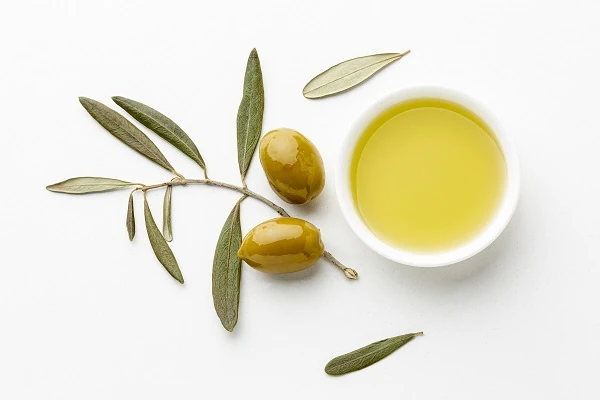
It’s quite amusing that, as precious as hair is, many people put it through the worst styling and beautification treatments, from applying chemical products to coloring, heat and deep treatment, intense styling, and careless pulling, amongst many others. If all these aren’t enough, the hair has to deal with external exposures like pollution and sunlight and is still subjected to harsher treatment. A fantastic solution is to look for olive oil for hair.
If you’re guilty of all these, you should thank your hair for taking in so much. One way to do that is to give your hair a natural treatment that revives its health and encourages it to grow longer and stronger strands. While a thousand and one products can do this, your best option could be olive oil for hair. You would have heard how effective it is for hair, but if not, this article will discuss why you should use it and the other health benefits you’ll derive from it.
Is it good to put olive oil in your hair?
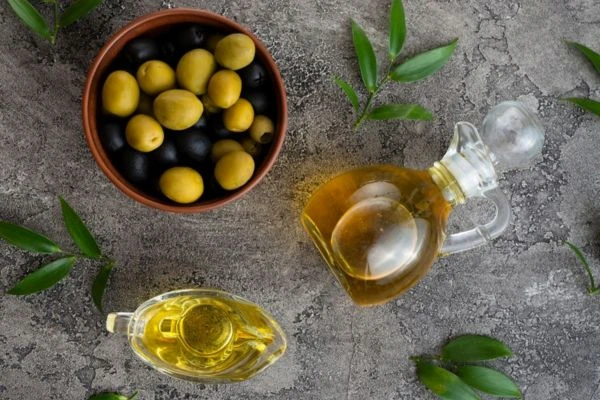
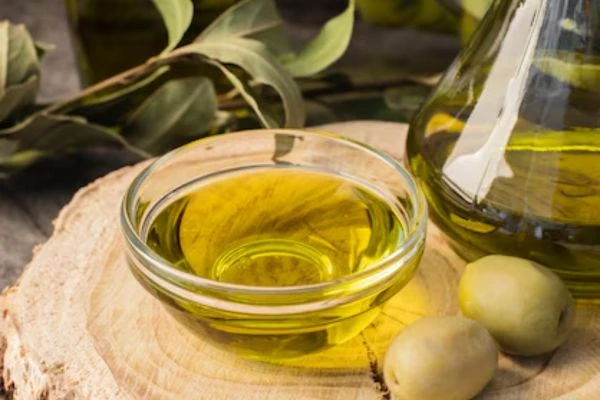
Olive oil is one of the oldest yet most effective hair care treatments available. Thanks to its emollient properties, such as squalene, oleic, and palmitic acids, it adds shine, softness, and resilience to the hair. These same ingredients are often synthetically created and added to shampoos and conditioners, which many people purchase at a high cost.
However, buying shampoo or conditioner isn’t necessarily wrong. The key point is that this oil offers a cheaper and often more effective alternative to many hair care products. While research on its effects is limited, its ability to add shine shows it benefits the hair.
Additionally, it penetrates the hair shaft, boosting moisture and preventing dryness and breakage. Regular use can lead to noticeable improvements, especially when combined with other hair care treatments for better results.
Benefits of Olive Oil for hair
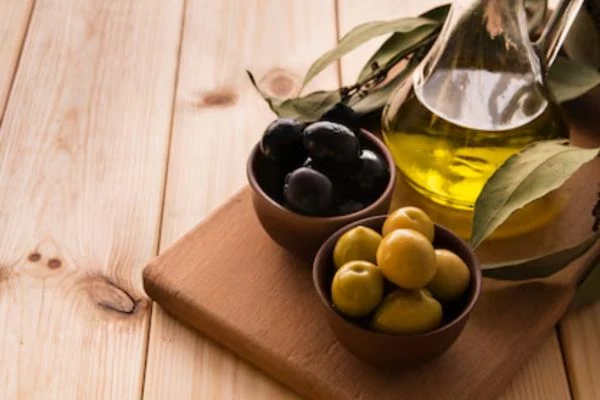
Olive oil is rich in nutrients for hair that it needs for proper growth and general health. These nutrients include antioxidants and fatty acids. The following are some of the things these nutrients do for the hair:
Hair nourishment and conditioning
The hair we see on our heads isn’t a magical creation. Instead, it’s a product of the functions of some underlying cells in our body. These cells usually need some nutrients to perform optimally, and some are present in this type of oil.
This oil helps nourish your growth cells to keep producing strong and healthy hairs that most people will admire and ask for its secrets. It also conditions the hair by making it softer in texture and appearance. This naturally reduces the possibility of friction between the strands, resulting in a reduction in breakage that occurs when you’re combing or brushing the hair.
Soothes the hair scalp
Most hair infections begin at the scalp area, partly due to dryness and itchiness that’s not tended to on time and ultimately degenerates into folliculitis and other scalp infections. Using olive oil eliminates any potential for all of these infections that could cause damage to the scalp and, by extension, the hair.
Olive oil soothes the hair and scalp with its antifungal and antibacterial components by adding enough moisture to the surface. This moisture keeps the scalp’s surface smooth and unclogs clogged follicles, opening passage for penetration into the skin. Once this is done, itchiness and dryness are automatically eliminated.
Thins out the production of DHT
Before going all scientific on you, DHT, otherwise known as dihydrotestosterone, is an endogenous sex hormone present in the body. An abundant presence of this hormone significantly contributes to hair loss. Furthermore, it threatens the health of the hair follicles and attacks them, weakening their ability to perform optimally.
However, olive oil blocks and thins out the production of DHT. This eliminates every threat to the hair follicles. As a result, an environment for healthy hair growth is created and maintained, provided you keep using the oil.
Improves hair malleability
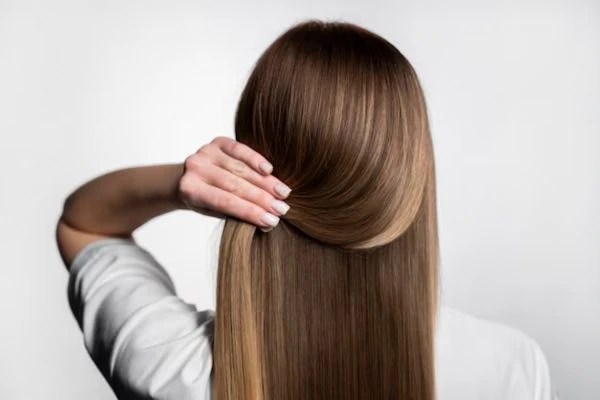
Some hair textures are naturally thick and unruly and very difficult to style or perm. Keeping this hair soft is one hell of a job. Some people can’t even maintain it at home until they reach the salon. But with the consistent application of olive oil, you can easily make thick hair soft.
Olive oil is a natural solution that improves hair malleability and management. It keeps the hair soft for a lengthy period and ensures its growth within the same period.
How do you make a DIY olive oil hair mask?
Get radiant hair with a few kitchen ingredients. Form a mixture to tame frizz and add shine, and you’ll soon see your hair smooth and shiny!
Ingredients
- 1/4 cup extra virgin olive oil.
- 1 tbsp honey.
- 1 egg yolk.
- 10 drops lavender essential oil (optional for scent).
Instructions
- Whisk together the olive oil, honey, and egg yolk in a small bowl until thoroughly combined. The olive oil provides moisture and healthy fats, honey has humectant properties to attract water to hair, and egg yolk contains protein.
- Add a few drops of lavender essential oil and stir to evenly disperse the scent, if using. Lavender has soothing properties that can boost hair health.
- Heat the mixture slightly in the microwave for 10 seconds if it has thickened, making it easier to apply.
- Apply the mask generously to damp hair, focusing on the mid-lengths and ends which tend to be driest. Massage it into the scalp as well to stimulate circulation.
- Cover hair with a plastic cap or towel and let it sit for 20-30 minutes to allow the ingredients to intensely hydrate and condition.
- Rinse thoroughly with cool water until all residue is removed. No need for further conditioning post-shower as the mask leaves hair silky soft.
- Style it as usual, or let it air dry for the best results. Use 1-2 times per week for noticeably softer, shinier hair over time. Enjoy your DIY spa treatment! Let me know if any part of the process requires further explanation.
Does olive oil have side effects on hair?
Olive oil is generally considered safe for use on hair and scalp. However, some people may experience side effects, especially if they have sensitive skin or are allergic to this type of oil. Here are some potential cons of olive oil on hair that you may want to take into account before using it:
- Greasiness: Using too much of this oil or leaving it on for too long can make your hair and scalp feel greasy and heavy. It can also make your hair look dull and heavy.
- Buildup: If you don’t rinse out olive oil thoroughly, it can lead to buildup on your scalp, which can clog your hair follicles and potentially lead to hair loss or scalp irritation.
- Allergic reactions: Some people may be allergic to this oil, which can cause symptoms such as itching, redness, or scalp swelling. If you experience any of these symptoms after using it on your hair, discontinue use and consult a healthcare professional.
- Fine hair deterioration: Olive oil is heavy and rich, which can potentially weigh down fine hair and make it look flat and lifeless. It can also cause fine hair to become greasy more quickly.
- Heat damage: Applying hot olive oil to your hair can potentially cause heat damage, especially if you apply it directly to your hair and then use a hairdryer or other heat styling tools. It’s best to let it cool down to room temperature before applying it to your hair.
To avoid these side effects, it’s important to use the oil in moderation and according to your hair type. If you have fine or oily hair, you may want to use it sparingly or avoid it altogether. If you have dry or damaged hair, you can put the oil as a pre-shampoo treatment or mix it with other oils to dilute it and make it easier to rinse out.
What type of hair is olive oil good for?
If you’ve followed this article closely, you may be inclined to think all hair types will benefit from using olive oil. While that is possible, people with naturally oily hair may not benefit from using olive oil. They can use it once in a while, but not consistently. That’s because this lubricant will add so much to the preexisting oil in the hair, giving it a greasy feel.
However, people with dry, coarse, and thinning hair can benefit from using this oil. It’ll change their hair condition by improving their health and making it more physically attractive. Of course, you have to observe moderation while applying it to the hair despite all these. Too much of this oil might weigh the follicles down, negating the purpose of its usage.
Faq’s
Does olive oil really make hair grow faster?
Olive oil does not directly make hair grow faster. Hair growth is primarily determined by factors such as genetics, diet, and general health. However, olive oil can contribute to hair health by providing essential nutrients, moisturizing the hair and scalp, and protecting the hair from damage.
Is olive oil a DHT blocker?
No. There is no scientific evidence to support the claim that olive oil is a DHT blocker. While some studies suggest that it may have anti-inflammatory and antioxidant properties, there is no concrete evidence to show that it can block DHT or prevent hair loss caused by DHT.
Can olive oil stop hair fall?
No. It cannot completely stop hair fall, as shedding is a natural part of the hair growth cycle. However, olive oil can help to reduce hair fall by improving the health and strength of the hair and scalp. It can nourish the hair and protect it from damage. Massaging the scalp with this oil can help increase blood circulation and promote healthy hair growth.
Conclusion
Olive oil offers multiple benefits for hair, from nourishing the scalp to enhancing shine and reducing breakage. This natural treatment is especially suitable for those with dry or coarse hair, helping to restore softness and strength.
While it doesn’t directly accelerate hair growth, olive oil can improve hair health, leading to less fall and easier management. Use it moderately to avoid greasiness and buildup, and enjoy the nourishing effects of this age-old remedy.