



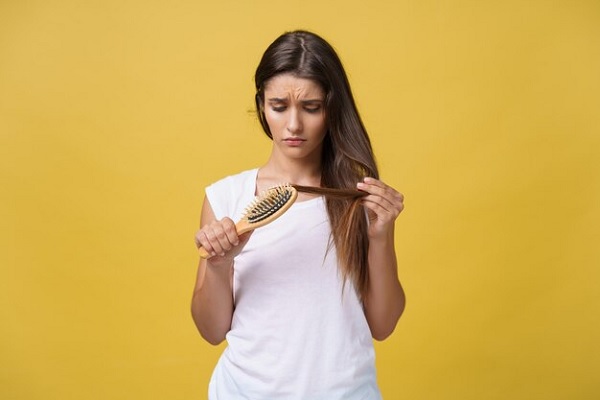
Experiencing consistent hair loss of over 150 hairs, or 200 during specific seasons like autumn, may indicate a high-stress level affecting your hair. This requires investigation by a medical professional. An early warning sign for those with hair loss is the gradual weakening of hair. It starts with progressive thinning and leads to increased shedding that exceeds the normal hair regeneration cycle, which occurs every six months on the scalp. This article discusses the reasons why our hair weakens.
When the lost hair follicles do not regenerate and there is a noticeable reduction in hair volume, along with an unhealthy appearance, a gradual thinning process begins on the scalp. This usually starts in specific areas such as the temples or crown and can eventually result in noticeable bald patches across various head regions. Recognizing these signs could indicate the presence of alopecia or other underlying health issues requiring prompt intervention.
Symptoms of abnormal hair loss
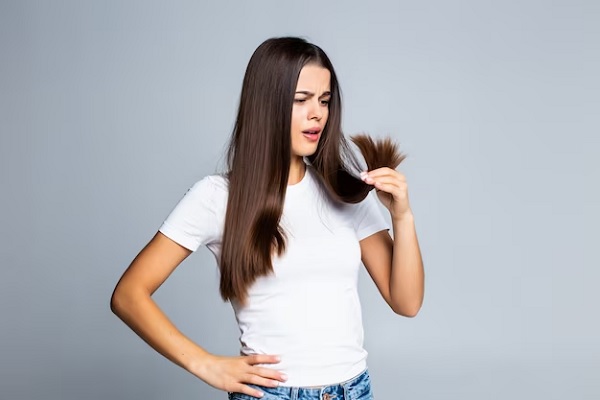
As we engage in the routine practices of combing and washing our hair, a discernible escalation in hair loss becomes evident. This is observed not only in the act itself but also in the aftermath, where a more substantial amount remains on the pillow. This serves as a tangible indicator of the intensifying shedding process.
Upon meticulous inspection, the once robust strands that adorned our scalp just a few months ago exhibit a palpable thinning. This is marked by a reduction in diameter and a perceptible decrease in overall thickness. Once lush and full, the tactile sensation of our hair now reveals noticeable frailty and vulnerability.
The nuanced progression of this hair-related concern extends beyond mere thinning; it permeates the very essence of our hair’s volume. Over the course of time, a steady diminution in the fullness and density of our hair becomes apparent, prompting an increasing unease regarding its overall health and vibrancy.
However, the intricacies of this issue extend beyond the physical attributes of individual strands. A closer examination of our hairline reveals an alarming development—receding hairlines that are conspicuous and advancing. The expanse of our forehead ceaselessly encroaches upon the territory once occupied by a robust hairline, emphasizing the pervasive nature of the hair loss issue and its profound impact on our overall aesthetic.
Numerous factors contribute to the weakening of our hair
It’s important to thoroughly investigate the ins and outs of each individual cause. Take the time to fully understand its nuances and unique characteristics.
Genetic Heritage
The genetic predisposition to hair weakening plays a significant role. Inherited traits can influence the thickness, strength, and overall health of one’s hair. Understanding the genetic component is essential in comprehending the root cause of hair-related issues.
Aging
The natural aging process can change hair texture and strength. As individuals age, hair follicles may become less active, leading to a reduction in hair volume and thickness. Examining how aging impacts hair structure is essential for developing targeted strategies to counteract these effects.
Hormonal Changes
Fluctuations in hormone levels can profoundly affect the health of our hair. Puberty, pregnancy, menopause, and other hormonal shifts can trigger changes in hair growth patterns, potentially weakening. Investigating the intricate relationship between hormones and hair health is vital for a comprehensive understanding.
Diseases
Various illnesses can contribute to hair weakening. Chronic conditions, autoimmune disorders, and infections may impact the hair follicles and impede the normal growth cycle. A detailed exploration of the specific diseases and their mechanisms is necessary to develop practical treatment approaches.
Intake of Foods that Affect Blood Flow
Consuming a diet rich in foods that adversely affect blood flow or induce side effects on the skin can significantly impact hair health. Confident dietary choices may lead to poor circulation, affecting the delivery of essential nutrients to the hair follicles and contributing to increased hair loss. It is crucial to pay attention to the nutritional content of the foods we consume to ensure they promote optimal blood flow and support overall skin health.
Stress
Stress is a multifaceted factor that can adversely affect hair condition. Chronic stress may disrupt the natural hair growth cycle, increasing shedding and potential long-term damage. High stress levels can also trigger hormonal imbalances, contributing to hair loss. Understanding and managing stress through various techniques such as meditation, exercise, or therapy can be crucial in maintaining healthy hair.
Diet Lacking in Some Nutrients
A diet lacking specific essential nutrients can be a crucial contributor to hair loss. Insufficient intake of folic acid, vitamin A, B-complex vitamins (B1, B2, B3, B6, B12), vitamin C, and Omega-3 fatty acids can negatively impact hair growth and health. These nutrients are vital in promoting scalp health, supporting hair follicle function, and preventing issues such as dryness and brittleness.
Incorporating a well-balanced diet is essential. This should include a variety of nutrient-rich foods to ensure that the body receives the necessary building blocks for healthy hair. A comprehensive approach to maintaining healthy hair involves considering the impact of dietary choices on blood flow and skin health.
Signs of Weaken Hair
Increased Shedding
Many individuals are concerned about a gradual escalation in daily hair loss during routine activities like brushing, showering, or gentle manipulation. This is often accompanied by the presence of more fallen strands on pillows or clothing. It can be distressing to notice an increase in hair shedding and to see more hair on pillows, in the shower, or on clothing. If you’re experiencing these signs, it’s important to consider reaching out to a healthcare professional for guidance and support.
Thinning Strands
Observable reduction in the thickness or diameter of individual hair strands is evident. A detailed examination reveals a decline in the overall cross-sectional size of the hair fibers. This contributes to a noticeable and progressive decrease in hair volume over time.
Brittleness
Elevated fragility of hair strands, especially noticeable at the ends, suggests compromised structural strength. A closer inspection may reveal split ends, breakage points, or a lack of flexibility in the hair shaft.
Dull Appearance
Loss of natural shine and vibrancy, extending beyond the superficial glossiness associated with healthy hair. This can involve a detailed assessment of the hair surface, noting alterations in texture, reflectivity, and overall visual appeal.
Excessive Tangles
Heightened susceptibility to tangling, leading to knots and snarls that pose challenges during combing, brushing, or styling. Detailed examination may reveal specific areas prone to tangling and potential causes, such as structural damage or inadequate moisture.
Scalp Sensitivity
Increased sensitivity, itchiness, or discomfort on the scalp, potentially linked to weakened hair health. A thorough analysis could involve identifying specific scalp areas affected, changes in skin texture, or any visible signs of inflammation.
Slow Growth
Slower-than-usual rate of hair growth, requiring meticulous monitoring over an extended period. Detailed measurements and tracking of hair length and new growth can provide insights into hair follicles’ overall health and vitality.
Increased Breakage
Hair that breaks easily, especially during routine styling or minimal manipulation. It indicates weakened structural integrity. A detailed examination may involve assessing the length and location of breakage points and identifying potential contributing factors.
How to Treat a Hair Fall
Diverse avenues are available for those seeking to enhance hair health and combat the challenges of baldness. One avenue involves exploring pharmacological treatments, leveraging the benefits of minoxidil and finasteride. These treatments work synergistically to enhance blood circulation, ensuring a robust supply of essential nutrients and nourishing hair follicles. This dual-action approach contributes significantly to the improvement of overall hair health.
Another option in the pursuit of healthier hair involves the incorporation of vitamin supplements. These supplements are key in revitalizing and rejuvenating the hair. They are enriched with biotin, folic acid, vitamin B, cystine, zinc, brewer’s yeast, linoleic acid, or Omega 6. These supplements offer a holistic approach to hair care by addressing nutritional deficiencies.
Furthermore, regenerative medicine presents a promising frontier in the battle against hair loss. Innovative techniques involve stimulating the production of growth factors by oxygenating the blood. Subsequently, this enriched blood is strategically injected into the scalp. The objective is twofold: to recover damaged follicles and fortify the existing ones. This intricate process, grounded in regenerative medicine principles, is steadily gaining recognition for its efficacy in achieving positive and sustainable results in hair recovery.
What is the FUE technique?
Several techniques have been explored in the realm of capillary regeneration, including ozone therapy, mesotherapy, and low-frequency laser treatments. However, none have demonstrated the remarkable results achievable through the hair implantation method. This type of surgery utilizes micrografts and the FUE (Follicular Unit Extraction) technique.
The FUE technique involves the extraction of individual hair follicles from a donor area and their meticulous implantation into the target region. This intricate process distinguishes itself by providing results that endure for a lifetime. Remarkably, the investment required for this procedure is relatively low, making it an accessible and sustainable solution for individuals grappling with alopecia or those who have experienced hair loss.
Unlike other approaches, FUE-based micrograft implantation addresses the immediate concerns and offers a long-term resolution to the challenges posed by hair loss. This detailed and sophisticated method has proven to be a game-changer for individuals seeking a comprehensive and lasting remedy for their hair-related concerns.