



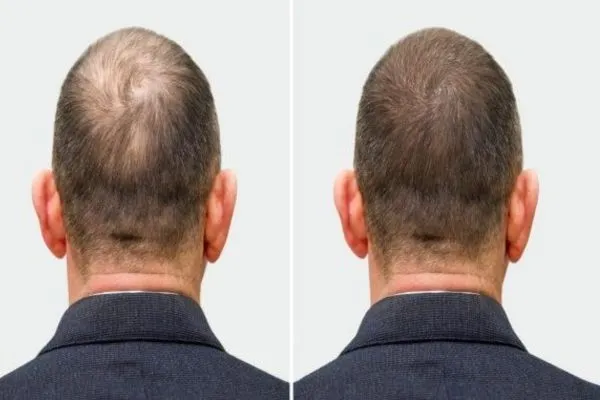
If you have thick hair and are considering a hair transplant, you may have been told that your hair type gives you an advantage. Thicker hair shafts can indeed provide better visual coverage, but they also influence which transplant method may be most suitable and how the procedure should be planned.
This guide explains how thick hair affects transplant outcomes, which methods are commonly recommended, and why hair thickness alone is not the only factor that matters.
Why Thick Hair Matters in Hair Transplant Planning
Hair thickness refers to the diameter of each hair shaft, not just how many hairs you have. Thicker hair tends to:
- Provide better coverage with fewer grafts
- Create more shadow on the scalp, reducing visible thinning
- Give a fuller appearance once growth begins
However, thick hair also requires careful handling during extraction and placement. Understanding whether a hair transplant will suit your hair type helps put hair thickness into the right clinical context.
Does Thick Hair Automatically Mean Better Results?
Not necessarily. While thick hair can improve cosmetic outcomes, results still depend on:
- Donor density and distribution
- Hair loss pattern and stability
- Scalp health
- Surgical technique and long-term planning
Thick hair is a helpful factor, but it does not replace a proper medical assessment or guarantee success.
FUE vs FUT: How Thick Hair Influences Method Choice
FUE (Follicular Unit Extraction)
FUE involves extracting individual follicular units from the donor area.
Why FUE often suits thick hair well:
- Strong, thicker follicles tolerate individual extraction effectively
- Allows precise selection and placement of grafts
- No linear scar, which suits patients who prefer shorter hairstyles
Points to consider:
- Thick grafts still require careful handling to avoid damage
- Donor management remains essential to prevent over-harvesting
For many patients with thick hair, well-planned FUE is commonly preferred due to its flexibility and cosmetic advantages.
FUT (Follicular Unit Transplantation)
FUT involves removing a narrow strip of scalp from the donor area and dividing it into grafts.
Potential advantages for thick hair:
- Thick follicles can tolerate strip dissection well
- Higher graft yield may be possible in a single session
Limitations:
- Leaves a linear scar
- Less flexibility in donor management
- Not ideal for patients who want very short haircuts
FUT may still be suitable in selected cases, but scarring and long-term donor appearance must be considered carefully.
How Thick Hair Affects Density and Hairline Design
With thick hair, surgeons typically focus on:
- Natural spacing rather than extreme density
- Soft, age-appropriate hairline transitions
- Strategic placement that uses hair calibre to enhance fullness
Placing grafts too densely, even with thick hair, can affect blood supply and growth. Conservative planning often produces more reliable results.
Thick Hair and Donor Area Management
Thick hair does not mean unlimited donor supply.
Even with good hair calibre, specialists must:
- Measure donor density accurately
- Avoid over-harvesting
- Preserve the donor area for future needs
This is especially important if donor density is lower than expected or if hair loss continues over time. Understanding how donor availability affects method selection helps explain why donor management remains critical, even for patients with thick hair.
Does Thick Hair Change Recovery or Growth Timelines?
Not significantly.
Patients with thick hair generally experience:
- Normal scabbing and healing phases
- Temporary shedding (shock loss) in the first few weeks
- Early regrowth from around 4–6 months
- Continued thickening up to 12–18 months
Thick hair may appear fuller sooner once it grows, but the biological growth cycle is the same for everyone.
When Is a Hair Transplant With Thick Hair Not Advisable?
A transplant may still be discouraged if:
- Hair loss is rapidly progressing
- Donor density is limited despite thick hair shafts
- Expectations exceed what can be achieved safely
Hair thickness improves visual potential, but it does not override medical suitability.
The Importance of a Personalised Assessment
Choosing the right method is not about thick hair alone. A proper consultation considers:
- Hair shaft thickness and texture
- Donor density and scalp health
- Hair loss pattern and future risk
- Lifestyle and hairstyle preferences
Clinics like Capilclinic, which work with many international patients from the UK and Europe, focus on matching the method to the individual rather than assuming one approach fits all thick-hair cases.
Final Thoughts
For patients with thick hair, both FUE and FUT can produce excellent outcomes when planned carefully. However, well-executed FUE is often preferred due to its precision, flexibility, and minimal scarring.
The most important factors remain responsible planning, realistic expectations, and experienced clinical judgment, not hair thickness alone.
If you have thick hair and are considering a hair transplant, the medical team at Capilclinic can assess your hair characteristics and donor area to help determine the safest and most suitable approach for you.
Medical Disclaimer: This article is for informational purposes only and does not replace professional medical advice, diagnosis, or treatment. Hair transplant suitability and outcomes vary between individuals. Always seek evaluation from a qualified medical professional before making treatment decisions.
At Capilclinic, we’re trusted by thousands of patients in the UK and Europe as a leading Hair Transplant Clinic in Turkey and Spain, known for our expert doctors, advanced facilities, natural hairline results, and affordable all-inclusive packages. Reach out to our team today to start your transformation.