



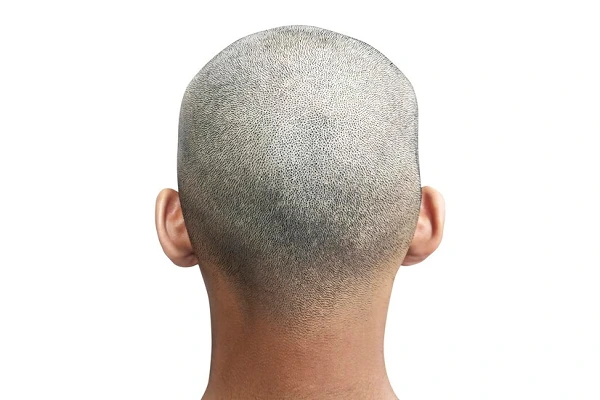
Being young has many benefits, one of which is the stable transitioning of the hair growth cycle from one stage to another. That’s why it’s hard to see Alopecia in young people. However, the fact remains that Alopecia isn’t exclusive to a particular age group because it affects adults as much as it affects young people. So, if you notice Alopecia as a young person, don’t be surprised or discouraged because you’re not alone.
Many other young people are going through the same for one reason. That’s why you must find the right solution before it gets far worse than you can handle. As much as we advise that you visit a dermatologist for proper diagnosis and suggestions for treatment options, this well-researched post will improve your knowledge about Alopecia in young people. For starters, we’ll discuss some of the causes of Alopecia in young people and show you the early signs to watch out for. After this, we’ll then suggest the things to do to correct it. So, let’s start!
What to do about Alopecia in young people
The ideal thing to do about Alopecia is to find the right treatment to correct it as soon as it’s noticed. While dermatologists and doctors will give professional help for this, we have curated their opinions to provide some of the following treatments:
1. PRP Therapy
Platelet-Rich Plasma therapy has emerged as one of the most sought-after non-invasive treatments for hair restoration in recent years. This innovative procedure combines a high level of safety with proven effectiveness, making it an appealing option for individuals of varying ages seeking solutions for Alopecia.
During the procedure, a small sample of blood is drawn and processed to concentrate the platelets, which are rich in growth factors. These platelets are then carefully injected into areas of the scalp that are experiencing hair thinning or balding. This process stimulates the hair follicles, encouraging new hair growth and revitalizing dormant ones, ultimately leading to a fuller, healthier head of hair.
2. Low-level laser treatment
Low-level laser treatment is a non-invasive option for people seeking to address Alopecia and promote hair regeneration. This therapy is particularly beneficial for those experiencing hair loss attributed to genetic factors or hereditary conditions.
This treatment stimulates hair follicles, enhancing their growth and vitality. Many users have reported noticeable improvements in hair density and overall health, making it a popular choice for those looking to revitalize their hair and restore their confidence.
3. Proper nutrition
Indulging in any random food without thought can be detrimental to your overall health and well-being, particularly your hair. Adopting a mindful approach to your diet is essential to promoting optimal hair growth and combating issues like Alopecia.
Key nutritional components to focus on include biotin, which strengthens hair and improves its texture; niacin, which enhances circulation to the scalp; various essential vitamins that support hair follicles; keratin, the primary structural protein in your hair; and high-quality proteins that provide the building blocks for healthy hair strands. Incorporating these nutrients into your meals can significantly impact the vitality and resilience of your hair.
4. Topical products
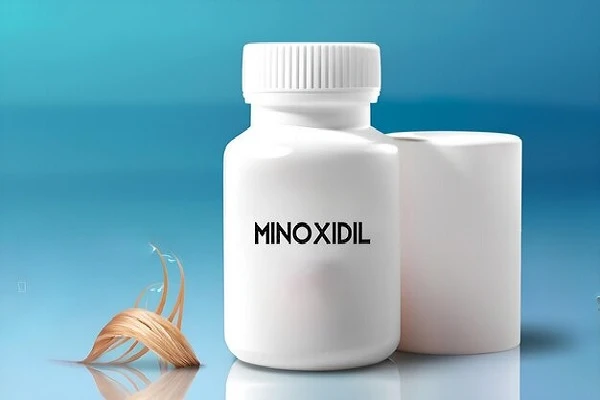
Dermatologists encourage young people to explore the various recommended topical treatments for Alopecia, as this condition often affects both confidence and well-being. Many of these specialized products contain essential ingredients that support healthy hair growth and provide targeted nutrition to promote optimal development.
Based on your dermatologist’s recommendations, you may want to consider minoxidil, a popular topical solution known to stimulate hair follicles, or corticosteroid injections, which help reduce inflammation and promote regrowth.
5. Improved hair care
Your hair truly embodies the essence of flexibility, flowing and adapting with ease. To maintain its vibrant health, it’s essential to treat it with the utmost care. Develop gentle hair care routines that nurture rather than hinder its natural beauty.
Steer clear of excessive heat styling tools, which can cause damage, and limit the use of harsh coloring treatments that may compromise its integrity. Additionally, avoid hairstyles that pull too tightly, as they can lead to unnecessary tension and breakage.
6. Excessive stress
When you find yourself at the peak of stress, your body responds by activating stress hormones. These hormones can have a detrimental effect on your hair follicles, launching an attack that disrupts their ability to grow effectively and diminishes the quality of new hair.
This reaction highlights the physical toll that stress takes on your body and acts as a warning sign of potential hair loss. To combat this, it is important to actively manage and reduce stress levels. Doing so can significantly improve your overall mental and physical well-being, ultimately supporting healthier hair growth.
What causes Alopecia in young people?
Alopecia is not merely an arbitrary condition; it often stems from identifiable underlying factors, particularly when it manifests in younger people. Several potential causes contribute to this condition. Understanding these roots can provide insight into why Alopecia occurs in young people and how it may be addressed effectively.
Improper dieting
It might come as a surprise, but one of the leading factors contributing to Alopecia in young individuals is poor nutrition. When the body lacks essential nutrients vital for hair growth, the effects can be detrimental. Over time, without a consistent intake of foods rich in these nutrients, hair follicles become weakened and vulnerable.
This fragility means that even the gentlest of touches can lead to damage, resulting in noticeable hair loss. Ensuring a balanced diet filled with hair-friendly nutrients is crucial for maintaining healthy and resilient hair.
Androgenetic Alopecia
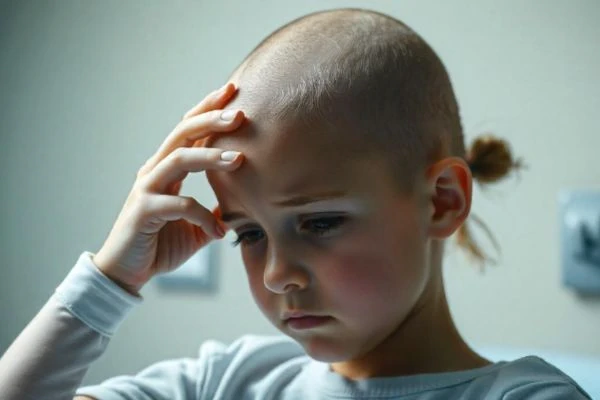
Androgenetic Alopecia, commonly known as pattern baldness, is a hereditary condition that often manifests as thinning hair or hair loss in both men and women. This condition occurs due to the intricate interplay of genetics inherited from one’s parents. If either parent or even distant relatives possess a history of Alopecia, there is a significant likelihood that those genes will influence an individual’s hair pattern.
The condition is characterized by a gradual receding hairline and loss of hair on the crown of the head in men, while women typically experience overall thinning, particularly at the hair part. Understanding the genetic roots of androgenetic Alopecia can help recognize its patterns and potential treatments.
Medical conditions
Various medical conditions can significantly influence hair growth. Conditions such as thyroid disorders, lupus, and diabetes can lead to changes in hair health and density. Additionally, the medications prescribed to manage these ailments can further impact hair vitality.
For instance, certain antihyperlipidemic medications, anticancer treatments, antiepileptic drugs, oral retinoids, and even some oral contraceptives have been known to induce hair thinning or loss. Each of these medications interacts with the body’s systems in unique ways, which can result in various effects on hair follicles and overall hair growth.
Traction Alopecia
Traction alopecia is a form of hair loss that occurs when people, often young people, frequently and forcefully style their hair. This condition arises when the hair is tightly pulled back, creating excessive tension on the hair follicles. Prolonged periods of such aggressive styling can lead to significant weakening of the hair strands, ultimately resulting in hair loss.
Similarly, over-styling encompasses the use of excessive heat and harsh chemical treatments on the hair. Frequent curling, straightening, and dyeing can cause severe damage, leaving the hair brittle and prone to breakage. Both traction alopecia and over-styling place immense stress on the hair, contributing to the gradual thinning and loss of hair that many experience over time.
Scalp ringworm
Scalp ringworm, medically referred to as tinea capitis, is a persistent fungal infection that can linger on the scalp if not treated effectively. This condition manifests through the development of distinct, round patches that gradually multiply across the head.
As these patches merge, they can lead to significant hair loss, ultimately resulting in unsightly bald spots that impact the overall appearance of the scalp. Additionally, the infection affects not only the hair follicles but also causes discomfort and irritation. Therefore, early intervention becomes crucial to restore both hair health and scalp integrity.

Other causes of Alopecia include stress, dandruff, trichotillomania, chemically processed hair care products, natural conditions, hormonal imbalance, etc.
What is Alopecia?
Alopecia is a medical condition that causes hair loss on the scalp and other body areas. There are different types of alopecia The most common type is alopecia areata, which causes patches of complete baldness on the scalp or other hairy areas. With alopecia areata, the immune system mistakenly attacks hair follicles, interrupting the hair growth cycle and causing hair to fall out. The bald spots associated with alopecia areata can range in size from small and round. In severe cases, they may lead to complete hair loss on the scalp.
Episodes of Alopecia are unpredictable, and temporary hair loss may come and go at any time. For some people, hair regrows on its own within a year, but severe cases can involve permanent baldness. Living with Alopecia can affect one’s confidence and quality of life, so support groups provide community and resources.
Early symptoms of Alopecia in young people
Detecting the symptoms of Alopecia in young people can help prevent further hair loss and support timely intervention. Though Alopecia has various types and causes, several early indicators are common. These subtle changes may be easy to overlook but are worth noting, as they can signal the onset of hair thinning or shedding.
Hairline recession
While this is more common in young males, young females can experience it. It’s indicated by a gradual loss of hair around the temple. However, it can be managed using the proper care tips and products to halt the recession. These steps can also help trigger hair growth in balding areas.
Thinning crown
This is noticeable among women suffering from Alopecia. It begins at the crown, whose signs may be excused for parting. But when you take a close scalp evaluation, it’s usually more visible than imagined.
Poor hair growth
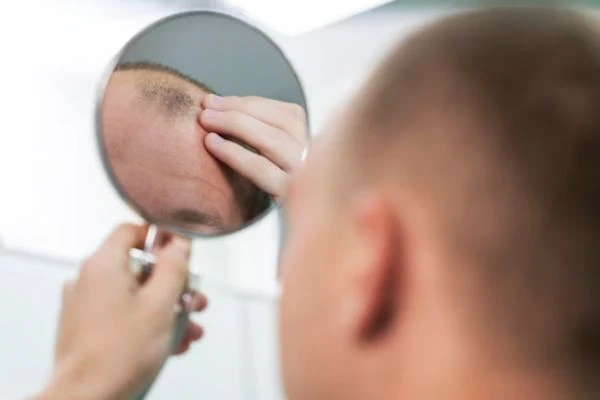
When the hair fails to show the quality you once identified with it, that’s a sign something is wrong. While many ignore this, it’s a big sign to act on. But first, you must visit a dermatologist for a proper hair and scalp analysis.
Conclusion
Recognizing alopecia in young people and its causes can, therefore, empower them to take action. By fully understanding the condition, they can make proactive choices to effectively manage it. Furthermore, early detection of symptoms allows young people to explore targeted treatments. Those therapies can help promote healthier hair growth and reduce further loss. In addition, consultation with a dermatologist is essential. Indeed, professional advice offers tailored solutions to ensure the most effective approach for each individual. Ultimately, with the right knowledge and support, young people can feel confident about their options.