



The number of hairs on the head is a curious topic that has intrigued many. While the exact count can vary from person to person, on average, humans have approximately 100,000 to 150,000 hair follicles on their scalps. Each of these follicles has the potential to produce a single hair strand. However, it’s important to note that not all of these hair follicles are actively producing hair at the same time. Hair growth occurs in cycles, with individual hairs going through phases of growth, rest, and shedding. At any given moment, about 90% of our hair follicles are in the growth phase, while the remaining 10% are either resting or shedding.
The color, texture, and thickness of our hair can also vary widely among individuals, and factors such as genetics, age, and hormones play a significant role in determining these characteristics. So, while the average person may have tens of thousands of hairs on their head, the specifics of your own hair count and appearance are as unique as you are. In this article, we will explore the science of hair growth and loss, hair color and density, and discuss the factors that can affect the number of hairs on the head. We will also provide tips for maintaining healthy hair.
Maybe you are interested: Hair Transplantation in Women Without a Shave
About Follicles to Understand the Number of Hairs on the Head
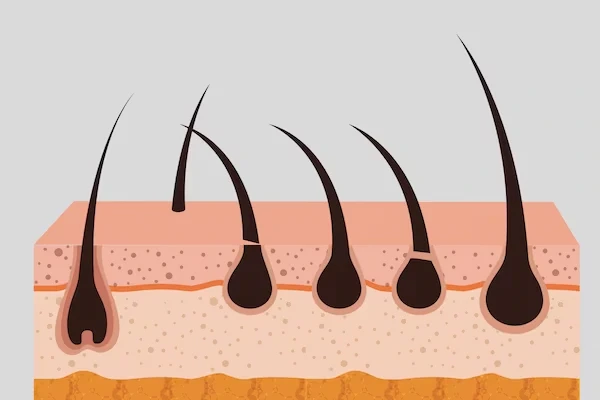
If you’ve ever wondered how many strands of hair grace your scalp, delve into the intriguing world of hair follicles. Often underestimated, these tiny structures play a pivotal role in the growth of your hair.
The hair follicle, an indispensable component of your head, serves as the birthplace of new hair. Its structure resembles a tunnel, securing each strand firmly and providing vital nutrients, minerals, and oxygen.
Hair follicles all over your body engage in an ongoing natural growth cycle. Within the approximately 100,000 follicles on your scalp, various stages of this cycle are in progress simultaneously.
The Growth Phases
- Anagen Phase: In the initial Anagen phase, hair follicles sprout fresh strands. Remarkably, around 80-90% of your hairs are currently in this phase, lasting anywhere from 2 to 7 years.
- Catagen Phase: The Catagen phase marks the transition, signaling the halt in growth for a hair strand. This phase endures for about ten days and severs the hair’s connection to its blood supply.
- Telogen Phase: Known as the Telogen phase or the resting phase, this period witnesses hair in a state of dormancy. It neither grows nor falls out, but beneath the surface, new hair silently forms. Lasting for three months, approximately 10-15% of your hair is in this phase at any given time.
- Exogen Phase: The fourth and final phase is the Exogen phase, characterized by the shedding of hair strands. During this stage, the strand departs from the follicle and makes its exit. Subsequently, the follicle reverts to the Anagen phase, commencing a fresh hair growth cycle.
Hair Density Enhancement
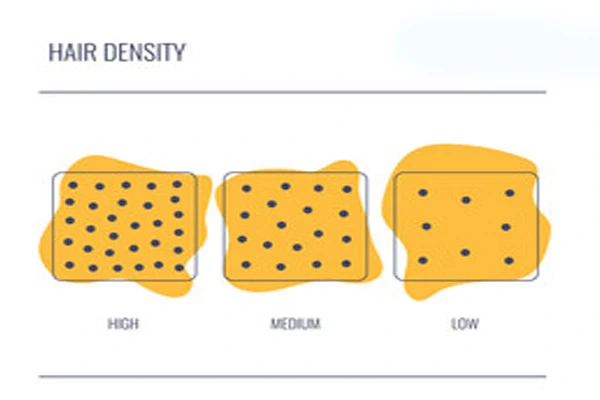
Is it possible to boost hair density? Hair color and other factors play a significant role in determining how much hair you have per square inch on your scalp. So, can you actually increase your hair count?
Regrettably, the answer is a resounding no. Each of us is born with a fixed number of hair follicles on our scalp, and there is no natural method to amplify their density.
Nurturing Your Locks
However, you can take proactive steps to care for and fortify your existing healthy hair, thereby minimizing the impact of hair loss. Here are some steps to help you nurture your locks:
- Balanced Nutrition for Hair Health: Adopting a balanced and nutritious diet can contribute to the maintenance of robust and healthy hair. Providing your hair with essential nutrients is key to its vitality.
- A Sound Haircare Routine: A diligent hair care regimen is vital to maintaining the well-being of your hair. Proper cleansing, conditioning, and protecting your hair from damage can make a substantial difference.
- Stress Management: Managing stress is crucial not only for your overall health but also for your hair’s well-being. High stress levels can contribute to hair loss, so finding effective stress-management techniques is essential.
- Gentle Cleansing: Use a mild shampoo that suits your hair type and texture. Avoid excessive washing, as it can strip your hair of its natural oils, leaving it dry and brittle. Wash your hair as needed but not excessively.
- Proper Conditioning: Apply a good-quality conditioner after shampooing to keep your hair hydrated and manageable. Focus the conditioner on the ends of your hair, where it tends to be drier. Rinse thoroughly to avoid buildup.
- Avoid Heat Damage: Limit the use of heat styling tools like straighteners and curling irons. When using them, apply a heat protectant spray to shield your hair from damage. Opt for air drying whenever possible.
- Regular Trimming: Schedule regular haircuts to get rid of split ends and promote healthy growth. Trimming every 6-8 weeks can help your hair look and feel its best.
- Stay Hydrated: Drink plenty of water to keep your hair and scalp hydrated. Dehydration can lead to dry, brittle hair, so aim for your daily recommended water intake.
- Protect from UV Rays: Sun exposure can damage your hair, making it look dull and causing dryness. Wear a hat or use hair products with UV protection when spending time outdoors.
If you’re seeking more immediate results, cosmetic treatments such as hair transplant surgery can be explored. These procedures involve redistributing existing hair follicles to combat baldness effectively.
Factors That Can Negatively Impact Your Hair Count
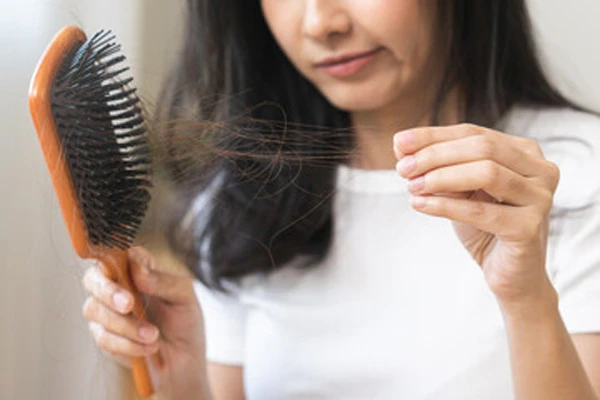
Numerous elements can contribute to hair loss and premature hair thinning, ultimately reducing your hair’s overall density. These factors encompass:
- Aging: As individuals progress in age, their hair’s growth rate naturally decelerates. This may lead to the experience of thinning hair or increased hair shedding. Those affected by conditions like male pattern baldness may encounter more pronounced hair loss.
- Environmental Influences: Prolonged exposure to harsh environmental elements such as ultraviolet rays and chemicals can harm your hair. Hormonal imbalances can also trigger hair loss.
- Lifestyle Choices: Your daily lifestyle choices can play a significant role in hair health. A poor diet and elevated stress levels can contribute to hair loss. Additionally, excessive use of hairstyling tools like curling irons, hair straighteners, dyes, and perms can harm hair follicles, leading to substantial hair loss.
Factors Behind Hair Color and Density
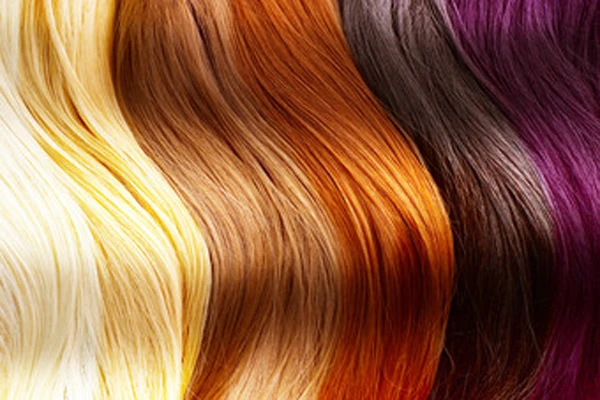
Have you ever pondered the intricate factors that govern the color of your hair and the thickness of your tresses? Let’s embark on a comprehensive exploration of the multifaceted determinants behind these distinctive features.
Hair Color Determinants
Genetics – The Dominant Force: At the heart of your hair’s color lies your genetic makeup. The specific combination of genes you inherit from your parents significantly influences whether your hair will manifest as blonde, brown, black, red, or any of the myriad shades in between. These genetic instructions guide the production of melanin, the pigment responsible for hair color.
Melanin Production – Shades and Tones: Melanin production within hair follicles dictates the depth and intensity of your hair color. Eumelanin produces darker hues, while pheomelanin contributes to lighter shades. The intricate interplay between these pigments generates the unique spectrum of colors observed in human hair.
Age-Related Changes: As the years pass, it’s common for hair to naturally lighten due to a reduction in melanin production. This gradual decline in melanin synthesis is the root cause of the phenomenon known as graying hair.
Hair Density Factors
Genetics – A Double Influence: Just as genetics play a pivotal role in determining hair color, they also largely dictate hair density. The number and distribution of hair follicles on your scalp are determined by your genetic blueprint, which remains fixed from birth.
Hormonal Influences – Noteworthy Effects: Hormonal fluctuations can exert a notable impact on hair density. Conditions like polycystic ovary syndrome (PCOS) or hormonal imbalances may lead to alterations in hair thickness and growth patterns.
Nutrition – Fueling Hair Health: The food you consume can significantly affect hair density. A well-balanced diet rich in essential nutrients, including biotin, iron, protein, and various vitamins and minerals, is crucial for promoting healthy hair growth and potentially preventing hair thinning.
Hair Care Practices – A Double-Edged Sword: The way you care for your hair can have both positive and negative consequences for its density. Excessive heat styling, tight hairstyles, and the use of harsh chemicals can cause damage and breakage, which may result in a perceived decrease in hair density.
Stress and Overall Health – A Holistic Impact: High levels of stress and underlying health conditions can contribute to hair loss and affect overall hair density. Managing stress through relaxation techniques and addressing health concerns can play a vital role in maintaining hair thickness.
Impact of Gender on Hair Density

Many individuals wonder about the connection between gender and hair thickness. It may come as a surprise that gender doesn’t significantly impact human hair in the manner we commonly believe. Nevertheless, it’s worth noting that, on average, men’s hair tends to grow at a faster rate compared to women’s. This discrepancy in growth speed could be a contributing factor to the common perception that men typically possess denser hair than women.
Here are some additional facts about hair
- Hair grows at a rate of about 0.5 inches per month.
- The average human hair has a lifespan of about 2 to 6 years.
- Hair is made up of a protein called keratin.
- Hair color is determined by the amount of melanin in the hair follicles.
- Hair texture is determined by the shape of the hair follicles.
- Hair plays an important role in our appearance and self-esteem. It also helps to protect our heads from the elements and regulates our body temperature.