



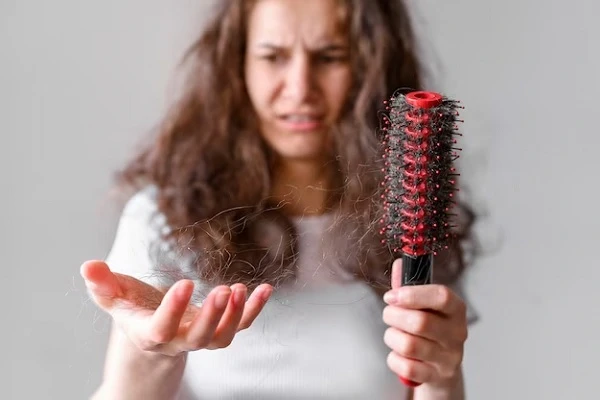
Every day, hundreds of hairs fall out of our heads. This makes many of us wonder if our hair loss is normal or if it’s something to worry about. This can be a big worry for women because their hair is often a big part of who they are and how they feel about themselves. Understanding how much hair loss is normal for women isn’t just about looks. It’s also about keeping our confidence and keeping an eye on our general health.
In this in-depth guide, we’ll look into the complicated world of hair loss in women. We’ll talk about the different things that can cause hair loss. How complicated the hair growth cycle is, and how normal shedding is different from extreme hair loss. We’ll also give you helpful tips on how to track, stop, and deal with hair loss. As well as when it’s important to see a doctor. Let’s go on this journey to figure out what’s going on with women’s hair loss and recover control over our hair and confidence.
Maybe you are interested: What Is Beard Alopecia?
Factors Influencing Hair Loss in Women
The occurrence of hair loss in women can be ascribed to a diverse range of reasons, encompassing both internal and external influences. Comprehending these factors is essential for ascertaining whether the degree of hair loss encountered is within the realm of typical occurrences. The following are the primary determinants that exert a substantial influence on female alopecia:
Hormonal Changes (Menopause, Pregnancy, Birth Control)
Androgens and oestrogens, in particular, have a big effect on how fast hair grows. Hormonal changes can cause brief hair loss during life changes like menopause, pregnancy, or starting or stopping birth control. To understand hair loss trends, you need to know about the changes in hormones that happen during these times.
Genes and family history
Hair loss in women can be caused by genes and family history. If your mother, grandma, or other female relatives lost hair or went bald, it may be in your genes for you to do the same. Knowing your family background can help you plan for and deal with possible hair loss.
Hair loss caused by getting older
As women get older, their hair growth cycle may slow down, which can make their hair thinner and less thick. Age-related hair loss often happens slowly, and it’s important to know what to expect as you age so you can manage your expectations.
Medical Conditions (Thyroid Disorders, PCOS, and Autoimmune Diseases)
Hair loss in women can be caused by a number of underlying medical conditions. The hair growth cycle can be messed up by problems with the thyroid, polycystic ovary syndrome (PCOS), and autoimmune diseases like alopecia areata. Managing hair loss can be much easier if you know the signs of these conditions and see a doctor.
Nutritional Deficiencies
Hair loss can be caused by poor nutrition, especially a lack of important vitamins and minerals like iron, biotin, and vitamin D. A healthy diet full of these nutrients can help hair grow faster and better.
Stress and Lifestyle Factors
Hair loss can also be caused by a lot of worry, not getting enough sleep, and living a bad lifestyle. A disease called telogen effluvium, which causes a lot of hair loss, can be caused by long-term stress. This can be lessened by learning how to deal with worry and living a healthy life.
What is Normal Hair Loss?
Hair loss is a normal part of the hair growth cycle. It is important to know the difference between normal hair loss and too much hair loss, especially for women who may be worried about their hair’s health and look. In this part, we’ll talk about normal hair loss in women and give you tips on how to tell the difference between what’s normal and what might need more help.
Defining Normal Hair Loss in Women:
- Normal hair loss, also called “hair shedding,” is when old or broken hair falls out so that new hair can grow in its place.
- Losing hair is considered normal when it happens within a certain range and is a natural part of how hair grows.
How to Differentiate Between Normal Shedding and Excessive Hair Loss:
- Excessive hair loss is usually marked by more hair falling out than is normal
- The main difference is how fast and how often hair falls out. If you lose a lot of hair all of a sudden, it may be a sign that something is wrong.
- Pay attention to other things, like how the hair looks (thinner, weaker, or with bulbs at the ends) and any symptoms like itching or pain that come along with it.
Shedding Per Day: The Benchmark for Normalcy:
- On average, people lose between 50 and 100 hairs per day. This can vary from person to person and be affected by things like hair type, length, and the time of year when hair grows.
- Keeping track of how much hair you lose every day over time can help you figure out if your hair loss is normal.
Techniques for Assessing Hair Loss:
- Daily Hair Check: One of the easiest ways to keep track of hair loss is to check your hair every day. Pull your hair gently with your fingers. A few strands in your hand are common, but if there are a lot of them, it could be a sign that something is wrong.
- Visual Examination: Check your hairbrush, bathroom drain and pillow for hair on a regular basis. Pay attention to how the thickness or volume of your hair changes over time.
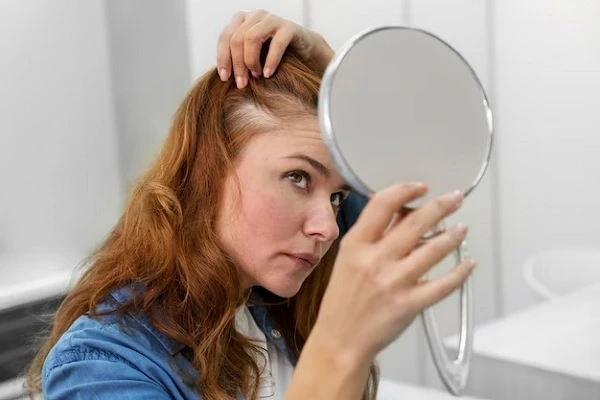
- Scalp Inspection: Look at your hair in a mirror. Look for patches of thinned hair, bald spots, or changes in the density of the hair.
- Photographic Record: Keeping a photographic record of your hair and scalp at regular periods will help you notice any changes over time. This is very helpful for monitoring development or spotting deterioration.
Preventing Excessive Hair Loss
Preventing excessive hair loss is a primary concern for many women who value the health and vitality of their hair. Here are various strategies and practices that can help women maintain healthy locks and prevent excessive hair shedding.
Diet and Nutrition Tips:
- Balanced Diet: Make sure you eat a well-balanced diet full of important nutrients like vitamins (especially biotin and vitamin D), minerals (iron and zinc), and proteins. These nutrients are important for hair to grow in a healthy way.
- Hydration: Drink enough water to keep the moisture in your skin and hair. Dehydration can make hair dry and brittle.
- Omega-3 Fatty Acids: Eat foods that are high in omega-3 fatty acids, like fatty fish (like salmon and mackerel), flaxseeds, and walnuts. These foods are good for hair health.
- Don’t eat too much sugar or processed foods. Too much sugar and processed foods can cause inflammation, which can slow hair growth.
Proper Hair Care Practices:
- Gentle Washing: Use a shampoo and conditioner that are gentle and right for your hair type. Don’t scrub too hard or use too hot of water because it can hurt your hair and head.
- Don’t use too much heat to style your hair: Too much heat from tools like flat irons and curling irons can weaken hair and cause it to break.
- Protective Hairstyles: If you wear tight hairstyles like braids or ponytails, do so lightly to avoid stress and breakage.
- Get your hair cut regularly: Trim your hair every 6–8 weeks to get rid of split ends and keep your hair healthy.
Stress Management Strategies
- Stress Reduction: Meditation, yoga, and deep breathing routines can help you deal with stress. Hair loss can be caused by a lot of worry.
- Get enough quality sleep. Sleep is important for your general health and the health of your hair.
When to Seek Professional Advice:
- You should talk to a doctor if you notice a quick increase in hair loss, a big change in the way your hair looks or feels, or if you’re worried about how much hair you’re losing.
- Dermatologists and trichologists are doctors who focus on the health of hair and the head. They can find out what’s causing hair loss.
- Talk to a doctor right away if you have a family history of serious hair loss. Are losing hair because of a medical condition, or are worried about how much hair you’re losing.
Conclusion
In conclusion, if you want your hair to stay healthy and beautiful. You need to know how much hair loss is normal for women. Your hair’s health is a sign of how healthy you are as a whole. So it’s important to take care of it regularly. Remember that when you need it, professional help can make a huge difference in keeping your hair healthy and your confidence up. Here’s to having beautiful, healthy hair for the rest of your life!Top of Form