




When we observe an unusual pattern or quantity of hair loss, the initial step is to consult with a specialist for a medical assessment. This diagnosis helps identify the reasons behind our early hair loss and guides us on how to address it promptly. In this article, we will discuss the best solution for baldness.
Depending on the type of hair loss, be it androgenetic alopecia, alopecia areata, cicatricial alopecia, or universal alopecia, the specialist will recommend a suitable treatment plan. They will advise on whether medication or surgery is necessary and the most effective course of action for our specific case. It’s essential to follow their guidance and to seek treatment promptly to address the issue and promote healthy hair growth.
Various Types of Hair Loss
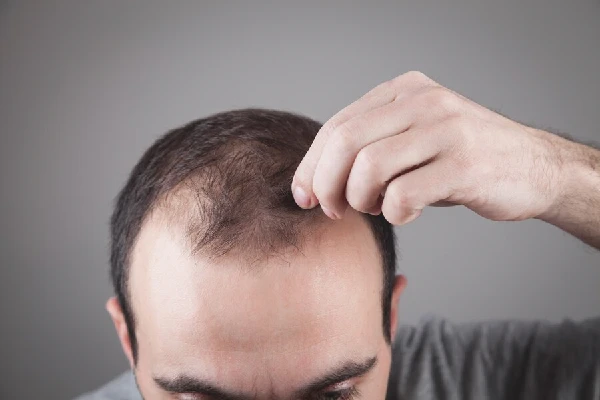
Hair loss is a complex problem with various underlying causes that can present itself differently. It is important to have a deep understanding of the specific types of hair loss in order to diagnose the condition accurately and provide personalized treatment. In this discussion, we will explore four major categories of hair loss.
1. Androgenetic Alopecia (Pattern Hair Loss)
Androgenetic alopecia is the most common form of hair loss, commonly known as male-pattern baldness or female-pattern baldness. It is a hereditary condition that occurs as a result of a combination of genetic and hormonal factors.
This type of hair loss typically follows a specific pattern, with hair thinning and receding at the temples and crown. Understanding the genetic predisposition and hormonal influences is essential for developing targeted interventions to address this type of hair loss.
2. Telogen Effluvium
Telogen effluvium is characterized by excessive hair shedding in the telogen (resting) phase. It is often triggered by stress, illness, or certain medications.
Exploring the underlying causes, such as chronic stress, severe illness, or medications like chemotherapy, provides a nuanced understanding. Treatment strategies may involve addressing the root cause and promoting hair regrowth.
3. Alopecia Areata (Autoimmune Hair Loss)
Alopecia areata is an autoimmune condition in which the immune system mistakenly attacks hair follicles, causing sudden hair loss.
Investigating the autoimmune aspect, genetic predisposition, and potential triggers helps devise targeted immunomodulatory treatments. Understanding the unpredictable nature of alopecia areata is crucial for both patients and healthcare providers.
4. Traction Alopecia
Traction alopecia results from repeated pulling or tension on the hair, often due to hairstyles that stress the hair shafts. Examining hairstyling practices, cultural factors, and lifestyle choices contributing to hair tension provides a holistic understanding. Preventive measures involve adopting hair-friendly hairstyles and avoiding excessive pulling.
The spectrum of hair loss encompasses various types, each necessitating a tailored approach for effective management. Delving into the intricacies of androgenetic alopecia, telogen effluvium, alopecia areata, and traction alopecia enables a comprehensive understanding. This knowledge is a foundation for healthcare professionals to provide precise diagnoses and personalized treatment plans, addressing the unique challenges of each type of hair loss.
The Latest in Baldness Treatments
The FUE Sapphire technique is a pinnacle in innovation. It presents an avant-garde approach by incorporating sapphire leaves instead of steel, elevating transplant density significantly. This makes it particularly advantageous for individuals grappling with extensive baldness, seeking a transformative solution through hair transplantation.
The unique deployment of sapphire leaves has garnered certification, underscoring its ability to facilitate transplants with heightened follicle density. The outcome is a more natural-looking result, providing superior solutions for those seeking effective remedies.
Beyond traditional treatments, there’s a surge in revolutionary procedures, notably the advent of platelet-rich plasma therapy. In this groundbreaking method, the patient’s blood is extracted, processed to concentrate growth factors, and skillfully injected into the scalp.
Another noteworthy advancement is the introduction of stem cell injections. This involves extracting tissue from a densely populated area and strategically injecting it into the stem cells, opening new avenues for hair restoration.
While these innovations hold promise, it’s important to note that laser treatments are still in their infancy. Their potential to reverse baldness is a subject of ongoing exploration, and the extent to which treatments and surgical interventions mentioned earlier can enhance results remains a focal point for future research. The quest to reclaim lost hair involves a dynamic interplay of evolving technologies and a nuanced understanding of their long-term impact.
What Determines the Most Suitable Solution For Baldness
Identifying the optimal solution for baldness is contingent on several factors, each playing a crucial role in determining the most suitable course of action:
Extent of Baldness
The severity and extent of hair loss influence the choice of treatment. Different solutions may be recommended for early-stage or more advanced baldness.
Patient’s Health and History
The individual’s overall health and medical history play a pivotal role. Certain health conditions may limit the options available or impact the safety of specific treatments.
Hair Loss Cause
Understanding the underlying cause of hair loss is crucial. Whether genetic, hormonal, or related to other factors, addressing the root cause helps tailor the treatment approach.
Treatment Goals
Clarifying the patient’s expectations and goals is essential. Some people prioritize a natural-looking result, while others prioritize a quicker recovery or a non-surgical approach.
Budget and Affordability
Financial considerations often influence the decision-making process. Surgical interventions and advanced treatments may have varying costs, affecting the choice of solution.
Maintenance Requirements
Some solutions require ongoing maintenance or follow-up treatments. The patient’s lifestyle and willingness to adhere to a specific regimen are crucial factors in determining the most suitable solution.
Technological Advancements
Keep abreast of the latest advancements in hair restoration technology. New innovations may offer more effective and less invasive options.
Consultation with Experts
Seek advice from qualified experts, such as dermatologists or hair restoration specialists. They can help you gain insights tailored to individual circumstances.
Personal Preferences
Personal preferences and comfort levels with different treatment methods also play a role. Some individuals may prefer non-surgical options, while others may be open to surgical interventions.
Realistic Expectations
Setting realistic expectations regarding the outcome of the chosen solution is critical. Understanding the potential results and limitations helps avoid disappointment.
In essence, determining the most suitable solution for baldness involves a comprehensive assessment of individual factors, considering medical and personal aspects. Consulting with healthcare professionals ensures a well-informed decision aligned with each individual’s unique needs.
Diverse Approaches to Combat Hair Loss
Minoxidil (Rogaine)
Minoxidil, commonly known as Rogaine, is a topical solution for hair loss. Its mechanism involves improving blood flow to the scalp, promoting hair follicle function, and stimulating hair regrowth. A detailed understanding of the application process recommended dosages and potential side effects is essential for individuals considering this treatment option.
Finasteride (Propecia)
Propecia, or finasteride, is an oral medication designed to address hair loss in men. It operates by inhibiting the hormone responsible for hair loss and requires a prescription. Before opting for this pharmaceutical intervention, a thorough examination of the potential benefits, risks, and long-term implications is crucial.
Other Medications
Beyond Minoxidil and Finasteride, various other medications are emerging as potential solutions for hair loss. These include prescription and over-the-counter options with unique mechanisms and considerations. An in-depth exploration of the available pharmaceutical landscape is necessary for individuals seeking personalised and effective treatment.
Hair Transplantation
Hair transplantation is a surgical option for those seeking a more permanent resolution to hair loss. The process involves relocating hair follicles from donor areas to the balding regions. A comprehensive overview of the different techniques, recovery periods, and expected outcomes is fundamental for individuals contemplating this surgical intervention.
Laser Therapy
Laser therapy, still in its evolving stages, presents a non-invasive approach to hair loss. Understanding the mechanisms by which laser light stimulates hair follicles, the varying types of devices available, and the potential results is vital for individuals exploring this option. Ongoing research and advancements in laser technology further contribute to the nuanced landscape of this treatment.
Lifestyle Changes
Incorporating holistic changes becomes a fundamental consideration when considering the impact of lifestyle on hair health. Exploring dietary adjustments, stress management techniques, and the role of physical activity in maintaining overall well-being are integral components of a comprehensive approach to addressing hair loss. Considering individual habits and health conditions, a personalised strategy is crucial.
Other natural remedies include the following
- Massage: Scalp massage is not merely a relaxing practice; it stimulates blood flow to the hair follicles. A more detailed approach involves specific massage techniques, such as circular motions and targeted pressure, which may enhance their efficacy.
- Aloe Vera: Beyond its well-known soothing properties, aloe vera contains enzymes that promote hair growth. A more detailed perspective involves understanding the optimal application methods, frequency, and potential combinations with other natural ingredients for synergistic effects.
- Coconut Oil: Coconut oil is lauded for its moisturizing properties and ability to penetrate hair shafts. A comprehensive view involves examining variations in coconut oil types, application techniques, and its role in preventing protein loss from hair strands.
- Fish Oil: Rich in omega-3 fatty acids, fish oil promotes overall health, including hair health. A detailed examination involves assessing the types of fish oil, recommended daily intake, and potential interactions with other supplements.
The landscape of treatments for hair loss is multifaceted, encompassing pharmaceutical, surgical, and lifestyle-oriented approaches. A thorough exploration of the intricacies of each option, consultation with healthcare professionals, and personalized consideration of individual factors contribute to a well-informed decision-making process for those seeking practical solutions to hair loss.