



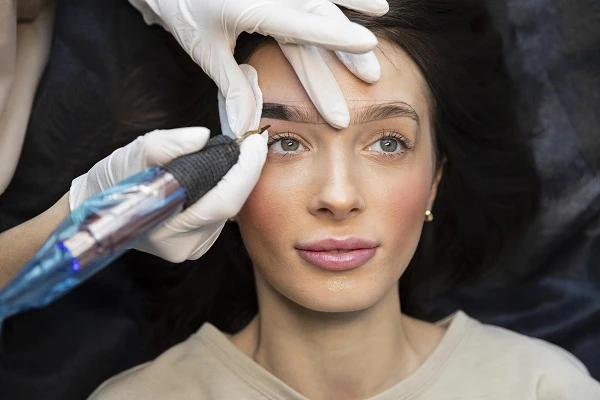
Losing one’s hair can greatly diminish confidence that full locks once provided. No matter how much you try downplaying its significance, hair undeniably forms a distinguishing feature. Baldness can disfigure appearance through its defect. The condition may also isolate those experiencing it. Thankfully, solutions like capillary micropigmentation now abound where baldness treatment once eluded us.
Scalp Micropigmentation (SMP) represents one solution that hides baldness’s impact on appearance. If it is recommended for you and you are seeking to understand it, this article will illuminate you and explain why it may perfectly treat hair loss. I will discuss this treatment and how it remedies baldness for suitable candidates.
What is Capillary Micropigmentation?
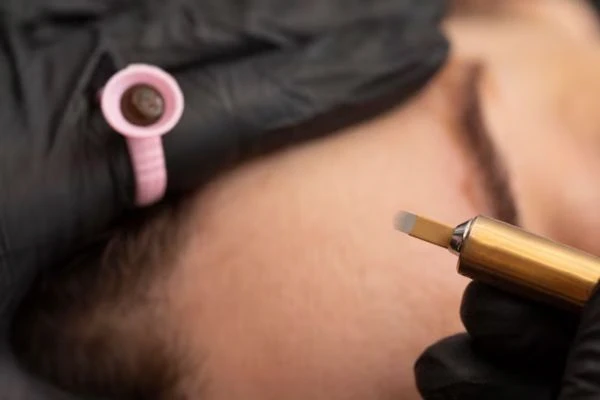
Capillary micropigmentation is a non-surgical hair treatment option that injects pigments around a bald or thinning area. This creates an illusion of texture and depth, leaving the baldness almost invisible to the naked eye. It has become a perfect solution to resolve problems around alopecia, scars, baldness, etc. Apart from offering coverage for bald or barren areas of the hair, the treatment also restores hairline, giving patients their old hairline or creating a new desirable pattern.
This treatment is a remarkable alternative to a hair transplant because it’s cheaper, while hair transplant is expensive and most people can’t afford it. Additionally, a hair transplant is not ideal for some people with low hair density or those suffering irreversible hair damage. So capillary micropigmentation is a way for them to correct their defects while having a closely similar outcome as someone with a hair transplant.
This treatment is for men and women with alopecia or baldness issues. For men, the result will come out as a shaved head with short hair strands, while for women, it mostly gives full texture and depth. However, the results are usually wholesome, judging by the number of people that have had this treatment. In addition, it has helped considerably in concealing areas of baldness, leaving the impression of full hair.
How is the Capillary Micropigmentation?
Capillary micropigmentation isn’t a DIY hair treatment you can have at home. It’s a specialized treatment that requires the expertise of a trained technician to get the best possible outcomes. The process involved in the treatment includes the following:
1. Consultation
Like other cosmetic procedures, you can never downplay the significance of consultation. It’s the best way to get an extensive insight into the treatment you’re having. Here, patients are allowed to ask questions. On the other hand, technicians must answer because every patient has the right to know what they are getting into.
The same thing applies to capillary micropigmentation. Through consultation, you’ll know if the treatment is perfect for you, and you’ll see a projected outcome through visages. Visagism involves sketching out the appearance of your hair after the treatment.
2. Surface Definition
Capillary micropigmentation isn’t like other hair treatments done randomly all over the hair. You’ll recall that we said that it deals with areas suffering from baldness. Well, to get it right, the areas are marked out and defined. The idea here is not to go beyond what’s necessary; it’s to ensure bald areas are the biggest recipient of the pigments.
The bigger the space to be pigmented, the more sessions it requires. That also means you have to pay more to see the whole area covered. But ideally, it doesn’t go beyond two to three sessions.
3. Pigmentation
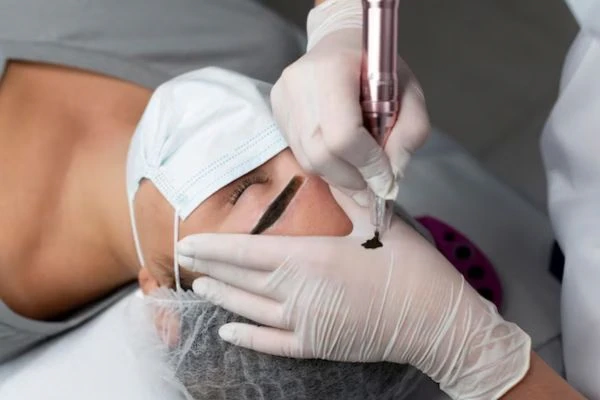
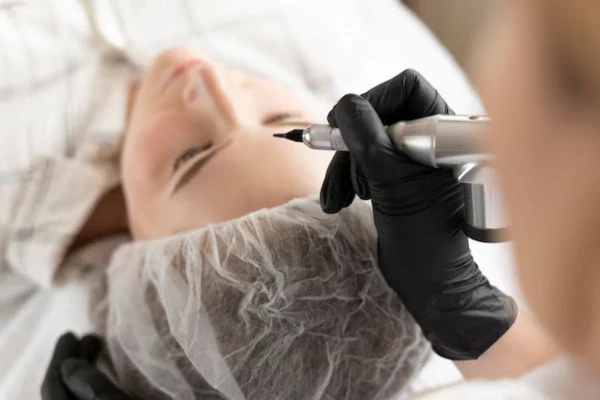
This involves depositing pigments around the marked bald areas. It’s precisely done using a tool known as the demographic. This tool creates droplets of pigments in tiny dots all over the marked area to give the illusion of hair density.
What makes this treatment distinct is that the color of the pigments is created to sync with the color of your hair. It can be achieved even if you want it to go darker. Still, it’s better always to use a consistent shade to avoid hair discoloration.
The first pigments are deposited to give a base before the second enhances the contrast and details, giving the hair depth and an immense finish. You can have a third pigmentation if you want a darker feel around this area. While there’s no harm in intensifying the color, two sessions of pigment deposit are usually enough for most patients. It’s moderate, saves more money and time, and even syncs well with the pristine hair color.
The chances are high that the patient will feel some pain or discomfort during the process. This is due to the sharp tooth of the dermograph, which punctures slightly into the scalp to deposit the pigments. But the good thing is they wane after a short period.
Benefits of Scalp Micropigmentation for hair loss solutions
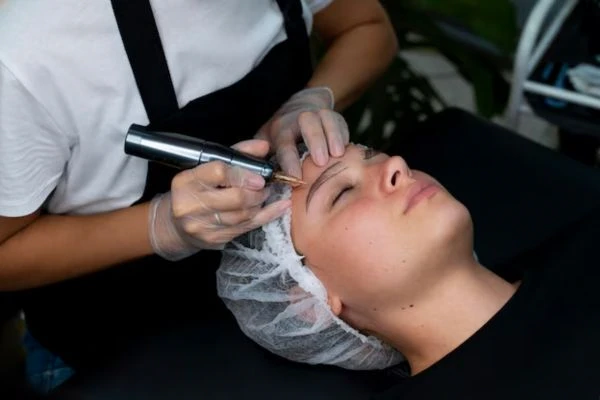
For many experiencing gradual hair thinning or receding hairlines, capillary micropigmentation offers an innovative and effective solution to disguise bald spots. This minimally invasive procedure uses a specialized dermographic pen to deposit pigment into the upper dermis layer of the scalp, replicating the look of individual hairs and refilling sparse areas with the appearance of hair.
The meticulous process involves implanting clusters of microscopic dots in shades carefully matched to the client’s existing hair color. From a few feet away, it is virtually impossible to distinguish real hair from the micropigmented version. Touching the scalp also feels wholly indistinguishable from a scalp with a full head of hair.
For men seeking a discreet way to fill in a receding hairline or bald spot without shaving their head or relying on questionable hair transplants, scalp micropigmentation offers an attractive option. It also benefits women dealing with thinning crown areas or widening part lines. Requiring only a single treatment lasting around 4-6 hours on average, the results are permanent yet maintainable as needed.
Most significantly, capillary micropigmentation restores self-confidence for clients whose hair loss has previously made them self-conscious. Patients can style their hair as usual or even keep it short without drawing unwanted attention to hair thinning.
What are the risks of capillary micropigmentation?
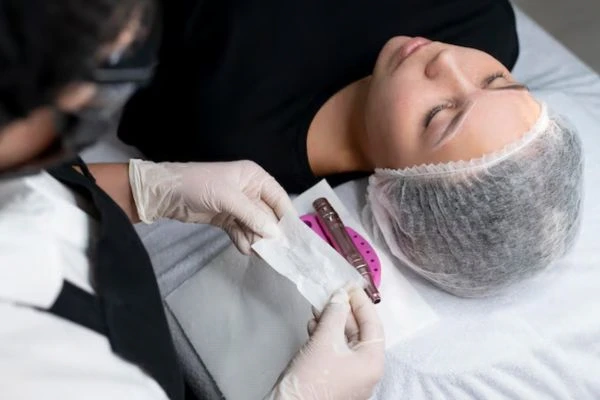
The fact that capillary micropigmentation is non-surgical indicates that the risks are minimal and almost non-existent. But that doesn’t mean they aren’t worth mentioning because it goes a long way in preparing you for the treatment. Hence, like other medical procedures, there are risks involved.
The major risk for capillary micropigmentation is an allergic reaction to the pigments’ components. That’s why the technician should apply tiny drops to your skin before the procedure to determine whether it’ll react negatively or not. Another risk is the possibility of using a bad technician.
The quality of the outcome always depends on who performed the procedure. While capillary micropigmentation isn’t the most difficult hair care treatment, you could run the risk of using someone who’s not good enough. A way to mitigate this risk is to do your homework on who will perform yours.
How long does hair micropigmentation last?
The duration can vary depending on several factors:
- Skin type: Those with highly active skin cell turnover may find the results last closer to 1-2 years, while less active skin may hold pigment for 2-3 years.
- Aftercare: Strictly following the aftercare instructions, such as avoiding sun exposure and vigorous activities in the first few weeks, allows the pigment to heal properly and bond more securely to the skin.
- Treatment technique: More skillfully applied SMP treatments deposit pigment deeper in the upper dermis layer, where it has less chance of fading as quickly as pigment placed more superficially. Experienced technicians achieve longer-lasting results.
- Lifestyle factors: Events like sun damage from not wearing protective headgear increase the rate of fading over time versus someone with an indoor job. External elements impact longevity.
In most cases, clients will start to notice noticeable fading and the need for a touch-up within the 2-3-year mark. The treatment is designed for refinement over multiple years to satisfy long-term hair loss needs.