



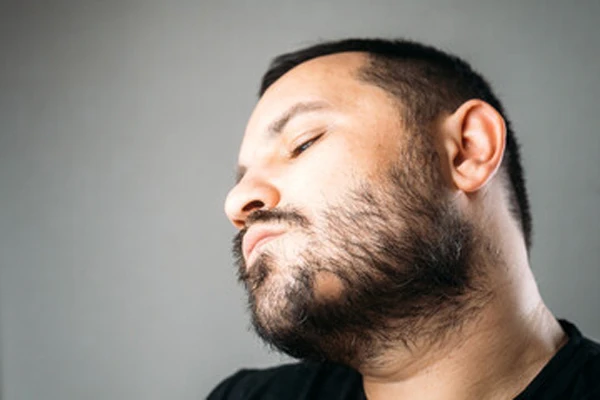
Beards have long been a symbol of masculinity, representing strength, wisdom, and character. For many men, growing and maintaining facial hair is not just a grooming choice but a deeply ingrained aspect of their identity. Beard alopecia, also known as alopecia barbae, is a type of hair loss that affects the beard. It can cause patchy or complete hair loss on the face, including the chin, cheeks, and jawline. Beard alopecia is a relatively rare condition, but it can be very distressing for those who experience it.
The exact cause of beard hair loss is unknown, but it is thought to be an autoimmune disorder. This means that the body’s immune system mistakenly attacks healthy cells, in this case, the hair follicles.
In this exploration of Beard Alopecia, we delve into the intricacies of this condition, from its causes and symptoms to potential treatments and lifestyle adjustments. Whether you’re a proud beard enthusiast or simply curious about the science behind facial hair, join us on a journey to unravel the mystery of Beard Alopecia and discover ways to tackle it head-on.
Maybe you are interested: Natural Remedies for Seborrheic Dermatitis
Causes Of Beard Alopecia
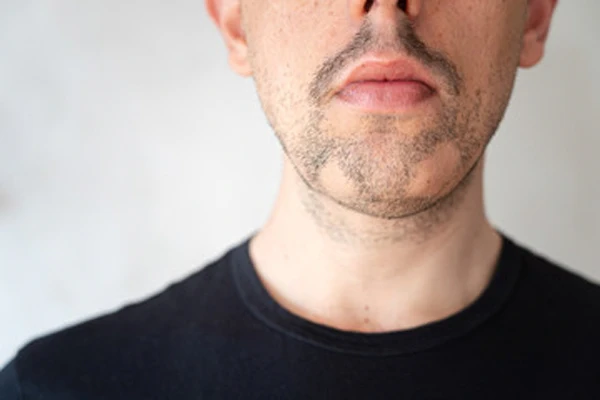
Beard Alopecia, a condition characterized by facial hair loss, is a multifaceted issue with a range of potential causes. Unraveling the complexity of Beard Alopecia necessitates a comprehensive examination of the contributing factors. Here, we delve into the detailed causes of this condition:
- Autoimmune Disorders: Beard Alopecia often shares a link with autoimmune disorders, particularly alopecia areata. In these cases, the body’s immune system mistakenly identifies hair follicles as foreign invaders and attacks them, resulting in localized hair loss within the beard region. This autoimmune response can lead to the development of bald patches or thinning areas.
- Hormonal Imbalances: Hormones play a pivotal role in beard growth. Fluctuations or imbalances in hormone levels, particularly dihydrotestosterone (DHT), can negatively affect beard density and hair thickness. Hormonal shifts, whether due to aging or underlying medical conditions, can disrupt the normal growth cycle of facial hair.
- Genetic Predisposition: Genetic factors are known to influence Beard Alopecia. Individuals with a family history of facial hair loss are more likely to experience similar patterns of hair thinning or bald spots in their beards. Genetic predisposition can significantly increase the risk of developing Beard Alopecia.
- Stress-Related Hair Loss: Chronic stress and anxiety can have profound effects on the body, including the hair follicles. Stress-induced Beard Alopecia, while often temporary, can lead to noticeable hair loss in the beard area. Managing stress through relaxation techniques and stress-reduction strategies is crucial for preventing and reversing stress-related hair loss.
- Skin Conditions: Various skin disorders can compromise the health of hair follicles in the beard region. Conditions such as fungal infections, eczema, or psoriasis can disrupt the normal growth cycle and lead to Beard Alopecia. Proper diagnosis and treatment of these skin conditions are essential for addressing hair loss.
- Excessive Grooming Practices: Overly aggressive grooming habits, such as frequent shaving, plucking, or waxing, can damage hair follicles and contribute to facial hair thinning. Continuous mechanical stress on the hair follicles can inhibit their ability to produce strong, healthy beard hair.
- Nutritional Deficiencies: Inadequate intake of essential nutrients can impact beard health. Nutrients like biotin, zinc, vitamins A, C, D, and E, as well as protein, are vital for hair growth. A diet lacking in these nutrients can lead to Beard Alopecia, resulting in weakened, sparse facial hair.
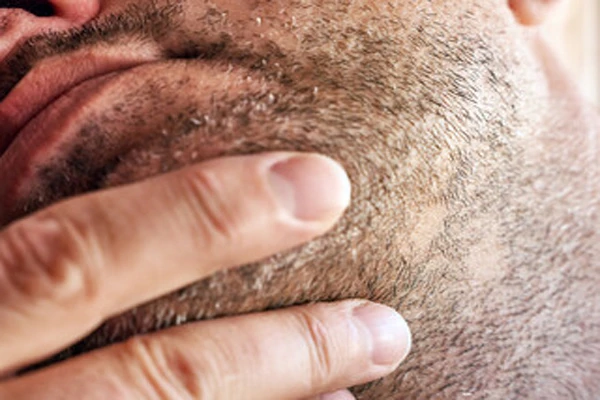
Understanding the specific cause or combination of factors contributing to Beard Alopecia is crucial for developing a tailored treatment plan. Consultation with a dermatologist or healthcare professional can involve comprehensive evaluations, including blood tests and a thorough medical history review, to pinpoint the underlying cause and guide the path toward restoring a healthy, robust beard.
Symptoms Of Beard Alopecia
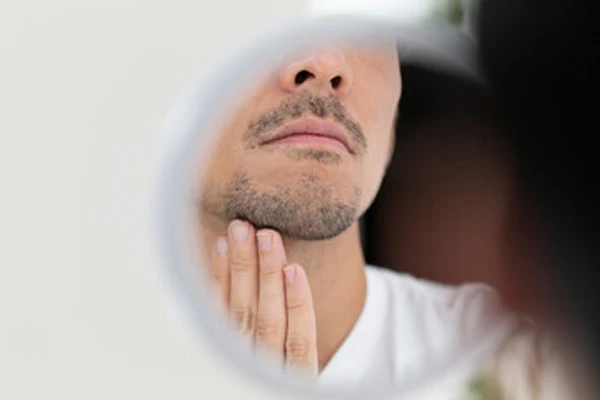
Beard Alopecia, a condition characterized by facial hair loss, exhibits a range of symptoms that merit detailed examination for a clearer understanding. These symptoms include:
- Patchy Hair Loss: The most prominent sign of Beard Alopecia is the appearance of well-defined, irregularly shaped bald patches within the beard area. These patches can manifest anywhere on the beard, creating a noticeable contrast between hairless and hair-covered regions.
- Smooth, Hairless Skin: In areas affected by Beard Alopecia, the skin becomes remarkably smooth and hairless. This is often a striking contrast to the surrounding facial hair, which continues to grow as usual. The hairless patches are typically devoid of any stubble or visible hair follicles.
- Gradual Progression: Beard Alopecia typically progresses slowly over time. Initially, individuals may notice minor hair thinning or a slight reduction in beard density. As the condition advances, these subtle changes may intensify, resulting in more conspicuous and distinct bald spots within the beard.
- Absence of Pain or Itching: Unlike some skin conditions that cause discomfort or itching, Beard Alopecia typically does not come with these sensations. It primarily manifests as hair loss without associated pain, burning, or itching, making it distinct from conditions like folliculitis or fungal infections.
- Limited to the Beard Area: Beard Alopecia is localized to the facial hair region, specifically the beard. It does not typically affect other areas of the body, including scalp hair or body hair. This specificity distinguishes it from more generalized forms of alopecia.
- Variable Regrowth: Following hair loss within the affected areas, regrowth patterns can vary among individuals. Some may experience partial regrowth, where hair gradually returns to the bald patches, although it may remain sparse or thinner than surrounding beard hair. Others may witness minimal to no regrowth, leading to persistent bald areas within the beard.
- Potential Psychological Impact: While not a physical symptom, it’s important to acknowledge the potential psychological impact of Beard Alopecia. Individuals with this condition may experience a loss of self-confidence or self-esteem due to the altered appearance of their facial hair.
Treatment Options For Alopecia Barbae
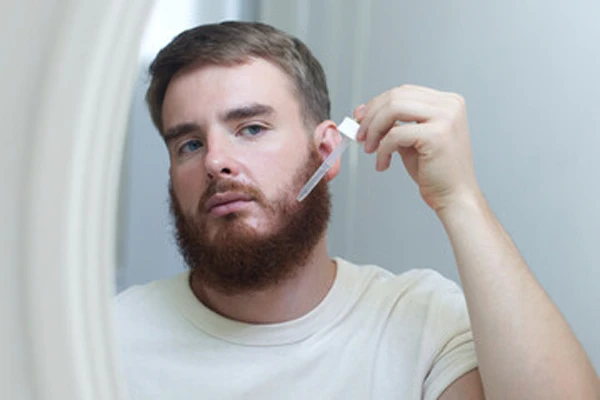
Alopecia barbae, a challenging condition involving beard hair loss, currently lacks a definitive cure. However, various treatment avenues exist to manage its symptoms and curtail further hair loss. Here, we delve into these treatment options.
Corticosteroids
Alopecia barbae’s autoimmune potential has led to the use of corticosteroids as a potential solution. These medications work to counteract harmful immune system activity.
Corticosteroids come in diverse forms, such as oral tablets, injectables, serums, and creams. But like most medications, they carry side effects. These may include weight gain, fluid retention, elevated blood pressure, and potential mood fluctuations. Prolonged use also raises the risk of infections and diminished bone density.
Minoxidil (Rogaine)
Minoxidil, commonly known as Rogaine, stands as a highly effective remedy for various hair conditions, including alopecia barbae. This treatment stimulates hair follicles, encouraging new hair growth and improved hair density.
Generally regarded as safe, topical Minoxidil is readily available over the counter in many pharmacies. However, side effects like scalp itchiness, a burning sensation, and scaly skin may occur. Patience is key, as results may take several months, and it’s a temporary solution necessitating continuous treatment to maintain results.
Diphencyprone (DPCP)
Diphencyprone (DPCP), a topical immunomodulator, alters immune system behavior. This medication is applied weekly, usually by a professional, directly to balding beard patches.
DPCP triggers local allergic contact dermatitis, prompting the immune system to produce new hairs and sustain hair follicle activity. The treatment duration depends on hair loss severity, and watch out for potential side effects like skin irritation, itchiness, and a burning sensation in the treated area.
Anthralin
Anthralin, a favored topical medication, holds promise for alopecia barbae. It inhibits skin cell growth, thus reducing skin inflammation. This synthetic derivative of goa powder from the araroba tree is applied to bald patches in the beard before washing off. Anthralin may be combined with other treatments like UV light therapy or topical steroids.
Side effects can manifest as redness, a burning sensation, and heightened skin irritation in treated areas.
Platelet-Rich Plasma Therapy (PRP)
Platelet-rich plasma therapy, or PRP, is an innovative approach leveraging a patient’s platelets and growth factors to stimulate new hair growth. Blood plasma is drawn from the patient, prepared for reinjection through centrifugal force, and targeted directly at areas with significant hair loss, including those affected by beard alopecia. In some cases, nearby pre-existing hair may also improve.
While innovative, PRP treatment for alopecia barbae often necessitates multiple sessions to achieve desired results.
Lifestyle Adjustments For Beard Alopecia
There is no cure for beard alopecia, but there are lifestyle adjustments that can help to promote hair regrowth and reduce hair loss. These include:
- Managing stress. Stress is a known trigger for beard alopecia, so finding healthy ways to manage stress is important. This could include exercise, relaxation techniques, or spending time in nature.
- Eating a healthy diet. A healthy diet is important for overall health and well-being, and it may also help to promote hair growth. Be sure to eat plenty of fruits, vegetables, and whole grains. You may also want to consider taking a biotin supplement, as biotin is a nutrient that is important for hair growth.
- Getting enough sleep. Sleep is essential for overall health and well-being, and it may also help to promote hair growth. Aim for 7-8 hours of sleep each night.
- Protecting your beard from the sun. The sun can damage hair follicles and lead to hair loss. When you are outdoors, be sure to wear a hat or sunscreen on your beard.
- Avoiding harsh chemicals and heat styling. Harsh chemicals and heat styling can damage hair follicles and lead to hair loss. If you do use chemicals or heat styling tools on your beard, be sure to use a heat protectant spray first.
While beard alopecia may challenge one’s self-esteem and confidence, it is important to remember that it does not define a person’s worth or identity. Support networks, both personal and professional, can provide invaluable encouragement and understanding.