



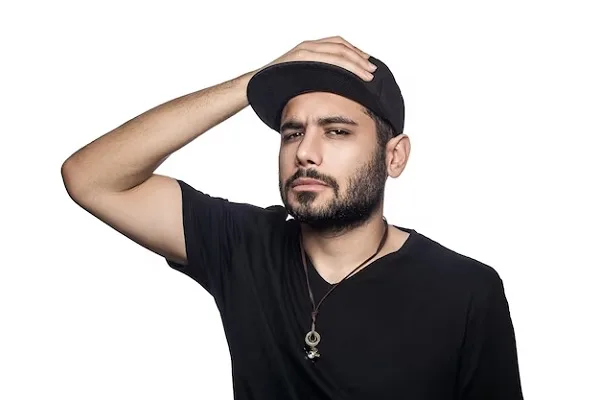
Many people have wondered, “Does wearing a cap make hair fall out?” This is a common concern, especially among those who wear caps regularly. The idea that wearing a cap can lead to hair loss has been widely debated, and it’s essential to understand the science behind this potential connection. In this article, we’ll explore the relationship between wearing a cap and hair fall, and provide insights into whether this myth holds any truth.
Wearing a cap is a popular fashion choice and a practical way to protect the head from the sun, wind, or cold. However, some individuals believe that regularly wearing a cap can make hair fall out. Let’s delve deeper into this topic and investigate the potential causes and consequences of wearing a cap.
Is it true that wearing a cap makes hair fall out?

The notion that wearing a cap can lead to hair loss is a common misconception. Many people, whether consciously or subconsciously, believe that donning a cap may contribute to the thinning of their hair or even baldness. However, research and expert opinions reveal a more nuanced reality.
Hair loss can manifest for a variety of reasons. For instance, genetics plays a significant role in determining hair health and longevity. If your family has a history of hair loss, you may be genetically predisposed to experience it as well. Hormonal imbalances, such as those seen during pregnancy or menopause, can also trigger changes in hair growth patterns.
Furthermore, stress is a well-documented factor that can lead to hair shedding. Chronic stress triggers the release of hormones that can disrupt the natural hair growth cycle, resulting in noticeable hair loss. Certain medical conditions and medications can further complicate the situation, leading to additional hair-related issues.
While wearing a cap can be a stylish and practical choice, it’s crucial to recognize that it does not independently or directly cause hair loss. Instead, let’s explore how wearing a cap can potentially lead to minor hair-related concerns.
What are the effects of wearing a cap on hair health?
Wearing a cap can have various effects on hair health, depending on the type of cap, how often it’s worn, and how well it’s maintained. Here are some potential effects.
Sweat and oil build-up

Wearing a cap, especially for long periods or during physical activity, traps sweat and oils from your scalp. This build-up creates a warm, moist environment where bacteria and fungi can thrive. As a result, you may experience scalp irritation, dandruff, or fungal infections. The sweat also clings to your hair, making it greasy and limp.
Without regular washing, sweat can clog hair follicles. This can lead to hair thinning or, in extreme cases, hair loss. To prevent these issues, wash your hair and scalp regularly. Choose caps made from breathable fabrics to minimize sweat and reduce scalp irritation.
Hair breakage and damage
Wearing a cap too often, especially one made from rough materials, creates friction between the cap and your hair. This friction, particularly at the roots and along the shaft, can lead to hair breakage, split ends, and thinning. Tight caps also put pressure on the hair follicles, weakening them over time and contributing to hair fall.
Additionally, tight caps or tightly pulled hairstyles put stress on your hair. This repetitive pressure causes breakage, making hair appear thinner and unhealthy. To avoid this, wear caps that aren’t too tight. Also, don’t pull your hair into restrictive styles when wearing a cap.
Reduced air circulation
Your scalp’s main function is to maintain a balanced environment for your hair follicles, including proper ventilation. Wearing a cap restricts airflow to the scalp, especially if it’s made of synthetic or non-breathable fabrics. This can lead to excessive oil production, clogged pores, and conditions like seborrheic dermatitis or fungal infections.
Reduced air circulation can also prevent essential nutrients from reaching your hair follicles, affecting hair health and growth. If you wear a cap often, choose breathable materials like cotton or mesh. Avoid wearing caps for long periods to prevent overheating your scalp.
Traction Alopecia
Traction alopecia occurs from prolonged tension or pulling on the hair. Tight-fitting caps, especially those worn over hairstyles like ponytails, contribute to this condition. Constant pressure weakens hair follicles, leading to breakage and thinning where the tension is most concentrated.
This condition is common in people who wear tight hats, headbands, or ponytails daily. Early detection can reverse the effects, but continued pressure can lead to permanent hair loss. Prevent traction alopecia by choosing comfortable caps that don’t put pressure on your scalp. Avoid wearing hats for extended periods.
Protection from the sun
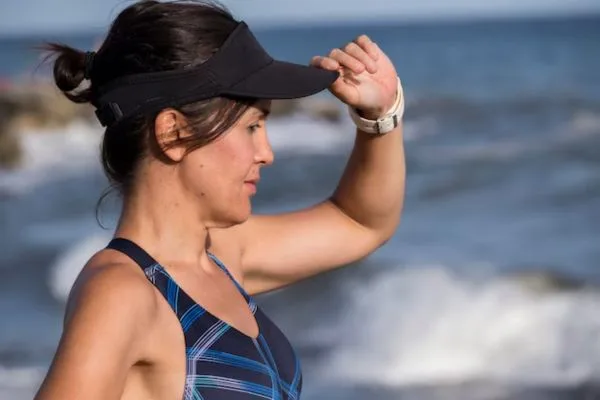
On the positive side, wearing a cap protects your hair and scalp from harmful UV rays. Prolonged sun exposure can dry out hair, fade its colour, and weaken strands. The scalp, more exposed to the sun, is also at risk of sunburn and skin damage. A cap shields both the scalp and hair from UV damage.
If you have fine or thinning hair, a cap helps prevent sunburn on the scalp, which can cause irritation and hair loss in severe cases. Some caps feature UV-protective fabrics for additional protection. However, avoid caps that fit too tightly, as they can restrict circulation and reduce benefits.
Hair growth stimulation
Some believe wearing a cap can stimulate hair growth by shielding hair from environmental damage like pollutants, dust, and dirt. Caps prevent harmful elements from reaching the hair and scalp, which can damage hair or block follicles.
Certain materials, like silk or satin, may promote hair health by reducing friction. These fabrics prevent hair from snagging and breaking, while also maintaining moisture. Loose-fitting caps allow better air circulation and a balanced environment, offering more potential benefits for hair texture over time.
The role of cap fit and design in hair health
The fit and design of a cap can significantly influence your hair and scalp health. As we said before, tight-fitting caps can put unnecessary pressure on your hair follicles, leading to traction alopecia. When a cap is too tight, it can restrict blood flow to the scalp, weakening the hair roots over time.

On the other hand, loose-fitting caps provide a more comfortable environment for your hair, allowing better airflow and reducing the risk of friction that can cause hair damage. Loose caps also ensure that there is less pressure on the scalp, promoting better circulation and overall hair health.
How to avoid wearing a cap that makes hair fall out?
Wearing a cap makes hair fall out, but it is an excellent way to protect your head and enhance your style. Still, it’s essential to follow certain guidelines to keep your hair and scalp healthy.
1. Choose breathable fabrics
When selecting a cap, always prioritize breathable fabrics like cotton, mesh, or moisture-wicking materials. These allow air to circulate your scalp, keeping it cool and reducing sweat buildup. Synthetic materials such as polyester or acrylic can trap heat and moisture, leading to scalp discomfort, excessive sweating, and irritation.
Over time, this can cause clogged pores, dandruff, and even fungal infections. Opting for a cap made from natural, breathable materials helps maintain a balanced environment for your scalp, preventing these issues and promoting healthier hair growth.
2. Avoid tight caps

One of the most crucial factors in protecting your hair health is choosing a cap that fits comfortably. A cap that’s too tight can put unnecessary pressure on your hair follicles, disrupting blood flow to the scalp. This restriction can weaken hair roots over time, leading to hair breakage, thinning, and even traction alopecia.
Ideally, your cap should fit snugly but not be overly tight. Adjustable caps are the best option, allowing you to control the fit according to your comfort level. A looser fit also helps avoid the discomfort that tight bands around your forehead or scalp can cause.
3. Maintain proper hygiene
Maintaining proper hygiene is key to preventing scalp issues and protecting hair health. Both your hair and cap need to be cleaned regularly to avoid the buildup of sweat, oil, and dirt. A dirty cap can transfer bacteria and debris to your scalp, leading to clogged pores, scalp irritation, and even fungal infections.
Be sure to wash your hair at least every few days, especially after wearing a cap for extended periods. Additionally, wash your cap frequently, following the manufacturer’s instructions to avoid damage. Keeping your cap clean will ensure your scalp remains fresh and free of harmful buildup.
4. Give your scalp a break
It’s important not to wear a cap for prolonged periods. When you keep a cap on for too long, it can trap heat and moisture against your scalp, leading to scalp irritation and excessive sweating. This can hinder the natural balance of oils on your scalp and clog pores.
To avoid this, make sure to take regular breaks and give your scalp time to breathe. If you wear a cap for several hours, remove it for a while to allow your scalp to air out. This simple habit helps maintain a healthy scalp environment and reduces the risk of hair issues.
5. Avoid pulling hair into restrictive styles
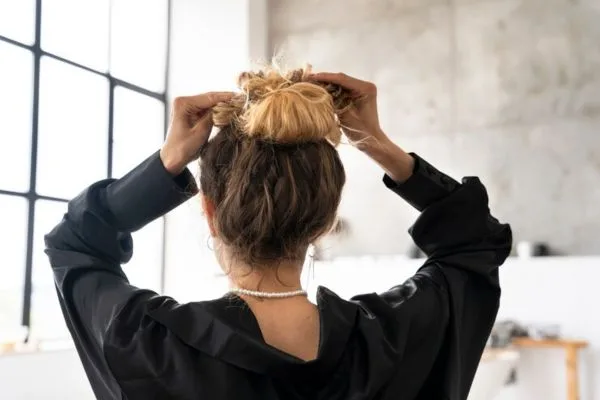
Wearing a cap with tightly pulled hairstyles, such as tight ponytails, braids, or buns, can cause unnecessary tension in your hair follicles. The added pressure from both the cap and restrictive hairstyles increases the risk of hair breakage and traction alopecia.
To prevent this, avoid overly tight hairstyles under your cap. Opt for loose, natural styles that reduce tension and give your hair the flexibility it needs to stay healthy. Looser hairstyles also allow for better circulation and comfort when wearing a cap.
Faq’s
Can wearing a cap cause permanent hair loss?
No, wearing a cap does not typically cause permanent hair loss. The hair-related issues associated with cap-wearing, such as increased shedding or thinning, are usually temporary and reversible if the underlying causes are addressed.
Is there a difference in the impact of caps on men’s and women’s hair?
The impact of cap-wearing on hair loss is not significantly different between men and women. Both genders can experience similar hair-related issues, such as increased shedding or temporary thinning if the cap-wearing conditions are unfavourable.
Should I stop wearing caps altogether to prevent hair loss?
Not necessarily. Occasional or moderate cap-wearing is generally not a significant risk factor for hair loss. However, if you notice excessive hair shedding or thinning, it’s best to reduce the frequency and duration of cap-wearing or make adjustments to the fit and material of the cap.
Conclusion
Wearing a cap does not directly cause hair fall out, but it can contribute to hair and scalp health issues if not done properly. While a cap can trap sweat and oil, leading to scalp irritation or fungal infections, the primary causes of hair loss are usually genetics, hormonal imbalances, or stress. The key to avoiding potential hair concerns while wearing a cap lies in choosing the right fit, and fabric, and maintaining proper hygiene. To ensure your hair remains healthy, opt for breathable, moisture-wicking fabrics, avoid tight-fitting caps that may cause pressure on the scalp, and clean both your hair and cap regularly. Additionally, give your scalp breaks and avoid pulling your hair into restrictive styles.
At Capilclinic, we’re trusted by thousands of patients in the UK and Europe as a leading Hair Transplant Clinic in Turkey and Spain, known for our expert doctors, advanced facilities, natural hairline results, and affordable all-inclusive packages. Reach out to our team today to start your transformation.