



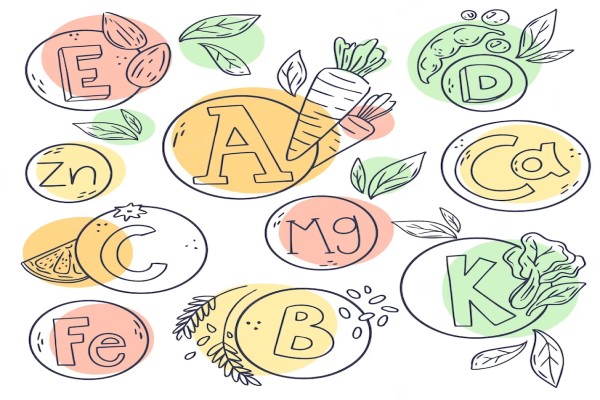
Alopecia is a condition that causes hair loss on the scalp and other parts of the body. While there are many factors that contribute to alopecia, including genetics and underlying medical conditions, certain vitamins have been shown to support healthy hair growth and reduce the severity of symptoms.
You may also be interested: Beer For Hair
Vitamin A
Vitamin A, also known as retinol, is a fat-soluble vitamin that is essential for a healthy immune system, vision, and skin. It is also important for healthy hair growth, as it helps produce sebum, the oil that moisturizes the scalp and keeps hair from becoming dry and brittle. However, excessive intake of vitamin A can also cause hair loss, so it’s important to consume it in moderation.
The recommended daily intake for adults is 900 mcg for men and 700 mcg for women. Foods rich in vitamin A include liver, sweet potatoes, carrots, spinach, and cantaloupe. Vegetarians and vegans can obtain vitamin A from plant-based sources such as beta-carotene, which is found in fruits and vegetables such as carrots, sweet potatoes, pumpkin, and spinach.
Vitamin A is also available in supplement form, but it’s important to be cautious when taking supplements, as excessive intake can be harmful. High doses of vitamin A can lead to toxicity, which can cause hair loss, as well as other symptoms such as nausea, vomiting, and dizziness. It’s important to consult with a doctor before taking vitamin A supplements, especially if you are pregnant or have liver disease.
Vitamin A is an essential nutrient for healthy hair growth, but it’s important to consume it in moderation to avoid excessive intake, which can cause hair loss. A balanced diet rich in vitamin A-containing foods, such as liver, sweet potatoes, carrots, spinach, and cantaloupe, can provide the necessary nutrients for healthy hair growth.
Vitamin E
Vitamin E is a powerful antioxidant that helps protect hair follicles from damage caused by free radicals. It also improves blood circulation and oxygen supply to the scalp, promoting healthy hair growth. While vitamin E deficiency is rare, supplementing with vitamin E may help improve hair growth in people with alopecia.
The recommended daily intake for adults is 15 mg. Foods rich in vitamin E include nuts, seeds, vegetable oils, and leafy green vegetables. Vitamin E supplements are also available, but it’s important to be cautious when taking supplements, as excessive intake can be harmful.
High doses of vitamin E can lead to toxicity, which can cause symptoms such as nausea, diarrhea, and abdominal cramps. It can also interfere with blood clotting, so people taking blood-thinning medications should consult with a doctor before taking vitamin E supplements.
B Vitamins
B vitamins are a group of water-soluble vitamins that are essential for a healthy body, including healthy hair growth. Biotin (vitamin B7) and pantothenic acid (vitamin B5) are particularly important for hair health.
Biotin helps strengthen hair and nails, while pantothenic acid supports the production of keratin, a protein that makes up hair. While low levels of B vitamins have been linked to hair loss, more research is needed to determine the effectiveness of biotin and pantothenic acid supplements in treating alopecia.
The recommended daily intake for biotin is 30 mcg for adults. Foods rich in biotin include eggs, nuts, and whole grains. Biotin supplements are also available, but it’s important to be cautious when taking supplements, as excessive intake can be harmful.
Iron
Iron is an essential mineral that plays a vital role in the body, including supporting the production of hemoglobin, a protein in red blood cells that carries oxygen throughout the body. When the body lacks iron, it can lead to iron deficiency anemia, a condition in which the body doesn’t have enough healthy red blood cells to carry oxygen to its tissues. Iron deficiency anemia can cause fatigue, weakness, and hair loss, among other symptoms.
Hair follicles are one of the body’s most metabolically active tissues, meaning they require a lot of oxygen to function properly. When the body lacks iron, hair follicles may not receive enough oxygen, leading to hair loss. Supplementing with iron may help improve hair growth in people with iron deficiency anemia.
However, excessive iron supplementation can be toxic and cause side effects such as nausea, constipation, and liver damage. Therefore, it’s important to work with a doctor to determine the appropriate dosage and monitor iron levels regularly. Iron supplements are not recommended for people who do not have iron deficiency anemia, as excessive iron intake can also cause harm.
Zinc
Zinc is an essential mineral that plays a role in many bodily functions, including supporting the immune system, wound healing, and cell growth and division. Zinc also plays a role in regulating the production of hormones, including those that affect hair growth. Low levels of zinc have been linked to alopecia, a condition that causes hair loss on the scalp and other parts of the body.
Zinc deficiency can cause hair loss, as well as other symptoms such as dry skin, brittle nails, and loss of appetite. Supplementing with zinc may help improve hair growth in people with alopecia areata, a type of alopecia that causes patchy hair loss on the scalp and other parts of the body. However, more research is needed to determine the effectiveness of zinc supplementation in treating other types of alopecia.
Like iron, excessive zinc supplementation can also be toxic and cause side effects such as nausea, vomiting, and diarrhea. Therefore, it’s important to work with a doctor to determine the appropriate dosage and monitor zinc levels regularly. Zinc supplements are not recommended for people who do not have zinc deficiency, as excessive zinc intake can also cause harm.
Conclusion
While there is no cure for alopecia, certain vitamins and minerals have been shown to support healthy hair growth and reduce the severity of symptoms. Vitamin A helps produce sebum, vitamin E is a powerful antioxidant, B vitamins are essential for healthy hair growth, vitamin C protects hair follicles from damage, iron is important for healthy blood flow, and zinc helps regulate hormone production. However, it’s important to work with a doctor to determine the appropriate dosage and ensure safe and effective treatment. A balanced diet and healthy lifestyle can also contribute to healthy hair growth.