



Hair loss is a common problem that can affect people of all ages and genders. There are many different causes of hair loss, including genetics, medical conditions, stress, and medications. Vitamin deficiency is another potential cause of hair loss. Vitamins are essential nutrients that play a role in many different bodily functions, including hair growth. When you don’t get enough of a certain vitamin, it can lead to a deficiency. In this article we will analyze the relationship between vitamin deficiency and hair loss.
Maybe you are interested: Diphencyprone Immunotherapy for Alopecia Areata
Vitamin Deficiency and Hair Loss
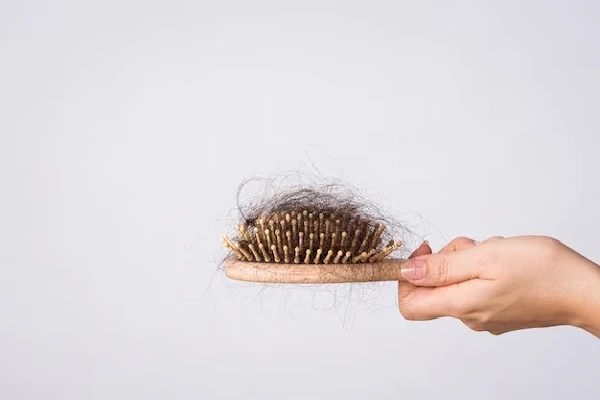
Vitamins play a vital role in hair growth and development. When the body does not have enough of certain vitamins, it can lead to hair thinning, excessive hair shedding, and even baldness. The most common vitamin deficiencies linked to hair loss include:
Insufficient Vitamin B12
One of the most frequent vitamin deficiencies associated with hair loss is a lack of Vitamin B12. Vitamin B12 serves multiple essential functions in the body. It not only aids in the growth of new hair but also nourishes existing hair, skin, and nails. This is achieved through the formation of healthy red blood cells, which transport oxygen and nutrients throughout the body.
Moreover, Vitamin B12 plays a crucial role in regulating the metabolism of amino acids, the building blocks of protein. Since hair relies on the protein keratin for its structure, a deficiency in B12 may hinder the production of new keratin, thereby affecting hair growth.
Symptoms of Vitamin B12 deficiency encompass light-headedness, heart palpitations, diarrhea, and fatigue. Skin issues such as inflammation, scaling, and itching can also arise, leading to damage to hair follicles and a decline in hair quality.

Folic Acid Deficiency
Folic acid, also known as Vitamin B9, is vital for healthy hair. It plays a significant role in the generation of new cells throughout the body, including those within hair follicles. Folic acid contributes to increased keratin production, resulting in hair that appears thicker.
A deficiency in folic acid can lead to megaloblastic anemia, a condition that primarily affects red blood cells. In this condition, the red blood cells become malformed and too large to leave the bone marrow and enter the bloodstream. This reduced number of red blood cells severely affects the quality and health of hair follicles due to restricted access to oxygen and nutrients. Symptoms include extreme fatigue, weakness, and shortness of breath.
Additionally, a folic acid deficiency can lower the level of keratin in the body, resulting in weaker, thinner hair with inhibited growth.
Biotin Deficiency
Biotin, also referred to as Vitamin B7 or Vitamin H, plays a pivotal role in maintaining the health of hair, skin, and nails. It aids in the metabolism of amino acids, which are essential for hair strength.
As a water-soluble vitamin, biotin is not stored in the body, making it crucial to consume an adequate amount through diet. Symptoms of biotin deficiency include dry and scaly skin, inflammation, brittle nails, and fragile hair prone to breakage.
In most cases, a balanced diet provides sufficient biotin. However, individuals with poor dietary habits or specific conditions such as Crohn’s disease may experience biotin absorption issues. Consultation with a healthcare professional is advisable to address biotin deficiency through dietary adjustments or appropriate supplements.
Riboflavin Deficiency
Riboflavin, also known as Vitamin B2, is an essential vitamin that regulates various bodily functions. It contributes to energy production within cells, defends against free radicals, and supports new growth.
A deficiency in riboflavin can lead to ariboflavinosis, a condition associated with hair loss. In the absence of Vitamin B2, hair follicles do not receive the necessary nutrients to reach their full potential. Furthermore, the absence of riboflavin can subject cells to damage by free radicals, further compromising follicle health.
Riboflavin-rich foods include leafy greens, milk, fortified cereals, and eggs. A balanced and varied diet typically provides ample riboflavin for most individuals.
Vitamin D Deficiency
Despite its familiarity, many underestimate the significance of vitamin D in maintaining normal bodily functions, including hair growth regulation. Vitamin D ensures that the hair growth cycle proceeds smoothly, allowing new hair to replace shed strands.
Research indicates that a deficiency in vitamin D can hinder follicles from restarting the growth cycle and generating new hair. Low vitamin D levels are prevalent, particularly in regions with limited sunlight, during winter, or among individuals with insufficient dietary sources of the vitamin.
Supplements can effectively increase vitamin D levels, potentially improving overall hair health.
Zinc Deficiency
Zinc, a trace mineral, plays a critical role in numerous bodily functions, including cell growth, wound healing, and immune system support. It also serves as a foundational element for healthy hair.
Zinc helps regulate sebum production, an oil-like substance produced by scalp follicles to maintain hair moisture and hydration. Inadequate zinc levels can result in overly dry or oily hair, leading to dandruff, folliculitis, and skin irritation.
Furthermore, low zinc levels can weaken the immune system, making individuals susceptible to infections and compromised overall health, ultimately affecting hair quality.
While only small quantities of zinc are required, deficiencies are still common, especially among individuals with limited dietary variety or underlying medical conditions affecting zinc absorption.
Selenium Deficiency
Another trace mineral, plays a crucial role in various bodily functions, including the promotion of healthy hair growth.
Selenium influences hair growth through the production of selenoproteins, essential proteins that regulate and metabolize thyroid hormones, which, in turn, influence hair growth. A deficiency in these hormones can result in stunted hair development.
Moreover, selenium possesses antioxidant properties that safeguard the body, including hair, from damage caused by free radicals. Additionally, selenium’s anti-inflammatory properties can significantly enhance skin condition, creating an ideal environment for hair growth.
Since only trace amounts of selenium are necessary, a diet comprising nuts, whole grains, and seafood typically provides sufficient selenium. However, maintaining a balance is essential, as excessive selenium intake can lead to adverse effects, including hair loss.
How to Fix Vitamin Deficiency Related Hair Loss
Addressing hair loss related to vitamin deficiencies involves several steps, including dietary adjustments, supplementation, and, in some cases, consultation with a healthcare professional. Here’s a comprehensive guide on how to fix hair loss caused by vitamin deficiencies:
Identify the Deficiency: The first step is to identify the specific vitamin deficiency causing your hair loss. This can be determined through blood tests conducted by a healthcare provider. Common deficiencies linked to hair loss include Vitamin B12, Folic Acid, Biotin, Riboflavin (Vitamin B2), Vitamin D, Zinc, and Selenium.
Improve Your Diet
Once you know which vitamins you are deficient in, adjust your diet to incorporate foods rich in those vitamins:
- Vitamin B12: Include lean meats, fish, dairy products, and fortified cereals.
- Folic Acid: Consume leafy greens, citrus fruits, beans, and whole grains.
- Biotin: Eat eggs, nuts, seeds, and vegetables like sweet potatoes.
- Riboflavin: Incorporate dairy products, lean meats, and green leafy vegetables.
- Vitamin D: Get regular sunlight exposure and consume fatty fish, fortified dairy products, and egg yolks.
- Zinc: Include lean meats, nuts, seeds, and whole grains.
- Selenium: Eat Brazil nuts, seafood, whole grains, and lean meats.
Consider Supplements
If it’s challenging to obtain adequate vitamins from your diet or if your deficiency is severe, your healthcare provider may recommend supplements. Follow their guidance regarding dosage and duration.
Maintain a Balanced Diet
Even after addressing the deficiency, maintain a balanced diet rich in vitamins and minerals. This helps prevent future deficiencies and promotes overall health.
Manage Stress
Chronic stress can contribute to hair loss. Practice stress-reduction techniques such as meditation, yoga, or deep breathing exercises to support healthy hair growth.
Treating vitamin deficiency-related hair loss requires a comprehensive approach that combines supplementation, dietary changes, and addressing any underlying health issues. It’s crucial to work closely with healthcare professionals for accurate diagnosis and guidance on the most appropriate treatment plan.
Causes of Vitamin Deficiency
Vitamins are the micronutrients that our bodies require to function optimally. These essential compounds play vital roles in various bodily processes, from energy production to immune system support. However, vitamin deficiency can occur when our bodies don’t receive an adequate supply of these vital nutrients. The causes of vitamin deficiency are multifaceted and can stem from various factors, including:
Dietary Choices
A diet lacking in diverse, nutrient-rich foods is a primary contributor to vitamin deficiencies. Individuals who consume overly processed or restrictive diets may miss out on essential vitamins.
Malabsorption Issues
Certain medical conditions, such as celiac disease, Crohn’s disease, or irritable bowel syndrome, can impair the body’s ability to absorb vitamins from the food we eat.
Gastrointestinal Surgery
Surgical procedures that involve the removal or alteration of parts of the digestive system can impact the absorption of vitamins and lead to deficiencies.
Medications
Some medications, particularly those that interfere with nutrient absorption or utilization, can increase the risk of vitamin deficiencies. Examples include antacids, certain antibiotics, and drugs that reduce cholesterol.
Alcohol Abuse
Excessive alcohol consumption can disrupt the absorption of essential vitamins like B-complex vitamins, particularly in the case of chronic alcoholism.
Medical Conditions
Chronic medical conditions like kidney disease or liver disease can hinder the body’s ability to process and regulate vitamins, potentially leading to deficiencies.
Age-Related Factors
As individuals age, their bodies may become less efficient at absorbing certain vitamins, making them more susceptible to deficiency.
Pregnancy and Breastfeeding
Women who are pregnant or breastfeeding may require increased levels of specific vitamins and minerals. Failure to meet these increased needs can result in deficiencies.
Limited Sun Exposure
Vitamin D deficiency can occur when individuals have limited exposure to sunlight, as the body synthesizes this vitamin when the skin is exposed to UVB rays.
Vegetarian or Vegan Diets
While plant-based diets can be highly nutritious, individuals following strict vegetarian or vegan diets may need to pay special attention to certain vitamins, such as B12, which are primarily found in animal-based foods.