


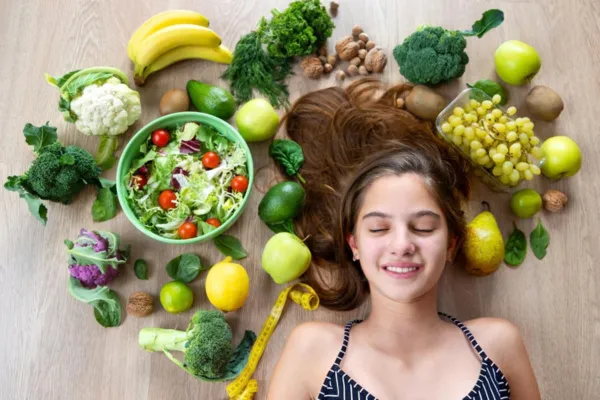
Eating plant-forward can absolutely support strong, healthy hair, but only if you cover a few nutritional bases. Hair follicles divide rapidly and are sensitive to gaps in protein, iron, B-vitamins (especially B12 and folate), vitamin D, zinc, iodine, selenium, and omega-3s. If intake falls short for weeks to months, you can see diffuse shedding (often telogen effluvium), slower growth, and thinner strands. The fix isn’t complicated: plan your plate, use fortified foods, and supplement smartly where needed.
Key idea: a vegan/vegetarian diet doesn’t cause hair loss. But poorly planned plant-based eating increases the risk of nutrient shortfalls that show up first in hair. Cover the gaps, and your hair can thrive.
What matters most for hair on a plant-based diet
- Protein adequacy (and amino acids like lysine) for keratin production and growth-phase support.
- Iron & ferritin low stores are a common, fixable driver of shedding; plant iron (non-heme) needs more careful pairing with vitamin C.
- Vitamin B12 found naturally in animal foods; vegans must use fortified foods or a supplement.
- Vitamin D diet alone is often insufficient; supplementation is commonly advised in many regions/seasons.
- Zinc, iodine, selenium small minerals with outsized effects on the hair cycle and thyroid function.
- Omega-3s ALA from plants supports overall scalp health, but EPA/DHA from algae can be helpful for some people.
Hair-Smart Nutrients for Vegans & Vegetarians
| Nutrient | Why it matters for hair | Vegan/Vegetarian sources |
| Protein (incl. lysine) | Hair is mostly keratin; low protein can push follicles into resting/shedding phases. Adequate intake supports growth and shaft strength. | Tofu/tempeh, edamame, seitan, lentils, chickpeas, beans, quinoa, Greek yogurt/eggs (vegetarian), soy milk; combine legumes + grains for amino acid balance. |
| Iron (non-heme) | Low iron/ferritin is linked with diffuse shedding; plant iron absorbs less efficiently, so pairing with vitamin C helps. | Lentils, chickpeas, beans, tofu, spinach, pumpkin seeds, fortified cereals/breads; pair with citrus, peppers, or kiwi; avoid tea/coffee with iron-rich meals. |
| Vitamin B12 | Essential for cell division; deficiency can contribute to hair shedding and fatigue. Vegans require fortified foods or supplements. | Fortified plant milks, nutritional yeast, breakfast cereals; cyanocobalamin supplements (daily/weekly per BDA guidance). |
| Vitamin D | Supports hair-cycle signaling and immune balance; low D correlates with shedding in some people; diet rarely provides enough. | Fortified plant milks/cereals, sun exposure (variable), vitamin D supplements commonly recommended in winter months. |
| Zinc | Needed for follicle cell turnover and scalp barrier; low zinc can worsen shedding and scaling. | Chickpeas, beans, pumpkin seeds, cashews, dairy/eggs (vegetarian), fortified cereals; soak/sprout legumes to improve absorption. |
| Iodine | Critical for thyroid hormones (T3/T4) that regulate hair growth; vegan diets can be low without iodized salt/seaweed. | Iodized salt, seaweed (watch portion/iodine variability), dairy/eggs (vegetarian); supplements as needed. |
| Selenium | Antioxidant roles and thyroid enzyme function; both low and excessive intake can affect hair. | Brazil nuts (1–2 nuts meet daily needs), whole grains, beans, mushrooms; eggs/dairy (vegetarian). |
| Omega-3s (ALA → EPA/DHA) | Supports scalp barrier and anti-inflammatory balance; ALA is essential; conversion to EPA/DHA is limited in some people. | Flaxseed, chia, walnuts, canola oil (ALA); consider an algal EPA/DHA supplement if intake is low. |
| Folate & other B-vitamins | Support DNA synthesis in rapidly dividing follicle cells; low intake can slow growth. | Dark leafy greens, legumes, asparagus, avocado, fortified grains. |
| Calcium (indirect) | Overall metabolic/thyroid health and muscle function; not a direct hair driver but part of balanced intake. | Fortified plant milks, tofu set with calcium sulfate, greens (bok choy, kale), almonds, dairy (vegetarian). |
How to build a hair-friendly vegan/vegetarian day (example)
- Breakfast: Fortified soy yogurt + berries + chia/flax + pumpkin seeds (protein, ALA, zinc, vitamin C).
- Lunch: Lentil & quinoa bowl with spinach, roasted peppers, lemon-tahini dressing (complete protein + iron + vitamin C).
- Snack: Whole-grain toast with hummus and iodized-salt sprinkle; kiwi or orange on the side.
- Dinner: Tofu stir-fry with broccoli and mushrooms over brown rice; side salad with avocado and walnuts.
- Daily add-ons (as needed): Vitamin B12, vitamin D (seasonal), and algal EPA/DHA per BDA guidance.
Testing & supplements: when they help
- Get labs if shedding persists >8–12 weeks: ferritin/iron studies, vitamin B12, vitamin D, TSH (thyroid), zinc if indicated. TE is a common response to physiological stress or deficiency—and it’s usually reversible once the trigger is fixed.
- Follow evidence-based dosing: For vegans, the BDA/Vegan Society recommend routine B12 and often vitamin D; consider iodine and omega-3 (algal DHA/EPA) depending on diet. Don’t megadose minerals without a lab-confirmed need.
- Mind iron absorption: Use vitamin C pairings; separate calcium or high-phytate foods from iron-rich meals if your ferritin is low.
FAQs
I’m vegan and shedding—do I need supplements right now?
Start by tightening your plate (protein at each meal; iron + vitamin C pairings) and consider baseline supplements often advised for vegans (B12, vitamin D; iodine/omega-3 as needed). If shedding lasts >8–12 weeks, ask for labs to target any true deficiencies.
Is plant iron “enough” for hair?
Yes—if you plan for it. Non-heme iron absorbs less efficiently, so include iron-rich legumes, fortified grains, seeds, and pair with vitamin C foods; avoid tea/coffee with iron-rich meals. Check ferritin if shedding continues.
Do I really need B12 if I feel fine?
Probably, if you’re vegan. B12 stores can fall silently for months; hair and energy can suffer later. Fortified foods or a simple cyanocobalamin supplement solve this.
Can thyroid-related nutrient gaps affect hair?
Yes. Low iodine can impair thyroid hormone production, and thyroid imbalance is linked with shedding. Do not self-dose high iodine; use iodized salt sensibly or follow clinician advice.
What about omega-3s?
Get ALA (flax/chia/walnuts) daily; consider algal EPA/DHA if you rarely eat fortified foods and want a direct source.
The bottom line
Vegan and vegetarian diets can fully support healthy hair, when planned. Hit your protein, protect ferritin and B12, mind vitamin D and iodine, and don’t forget zinc/selenium/omega-3s. If shedding shows up, treat the cause: tune the diet, add fortified foods/supplements strategically, and get labs if it doesn’t settle. That combination gets most people back to thicker, happier hair.
Sources:
- Treatment Rooms London (Treatment Rooms London)
- BDA (bda.uk.com)
- Harvard/Harvard T.H. Chan (Harvard Health)
At Capilclinic, we’re trusted by thousands of patients in the UK and Europe as a leading Hair Transplant Clinic in Turkey and Spain, known for our expert doctors, advanced facilities, natural hairline results, and affordable all-inclusive packages. Reach out to our team today to start your transformation.