



Hair care is an umbrella term covering hygiene and cosmetology. This includes hair that develops from the human scalp, as well as facial, pubic, and other body hair, to a lesser extent. Depending on the culture and the physical qualities of the hair, hair care practices vary. The mane can be dyed, trimmed, shaved, plucked, or removed in other ways, including services such as waxing, sugaring, and threading. Additionally, techniques to untangle hair are often employed to manage knots and maintain a healthy appearance.
Hair care services are available at salons, barbershops, and day spas, and home-use items are commercially available. Today, we will discuss untangling hair and how it is one technique for caring for hair. Laser hair removal and electrolysis are also offered, but only by licensed specialists in medical centres or speciality spas in the United States. An important aspect of hair care is our ability to untangle hair properly, as doing it incorrectly negatively affects the hair.
How do you detangle hair according to the hair type?
Different hair types need other ways to detangle. This is because each type of hair has unique characteristics. Using the right technique can help prevent damage and make the process easier.
Straight hair
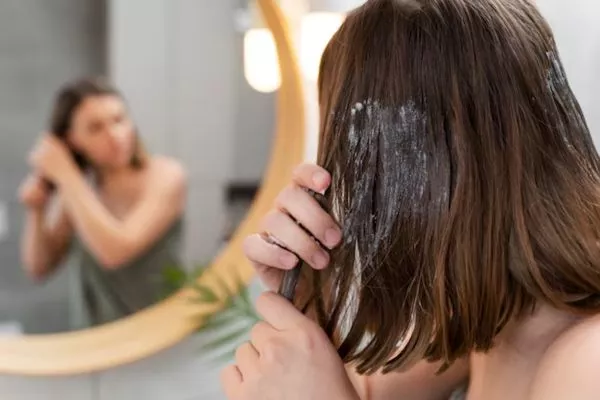
When it comes to detangling straight hair, the key is to use the right tools and techniques to prevent breakage. A wide-tooth comb or a brush with flexible bristles works best for this hair type. Begin detangling from the ends of the hair, gradually working your way up to the roots.
Straight hair can often be detangled while dry, but if needed, you can lightly mist it with a detangling spray to ease the process. A lightweight leave-in conditioner or detangling spray can help reduce friction and make the task more manageable.
Wavy hair
Detangling wavy hair requires a gentle approach to maintain wave definition and reduce frizz. It’s best to use a wide-tooth comb or your fingers for this hair type. Detangle when the hair is wet and conditioned to avoid damage. Start by separating the strands with your fingers, then follow with a comb to ensure all tangles are removed. Applying a leave-in conditioner or a detangling spray can help to keep the waves smooth and defined.
Curly hair
Curly hair benefits from detangling when wet and conditioned, as this minimizes breakage and maintains curl integrity. Use a wide-tooth comb or your fingers to work through the hair gently. Divide the hair into sections and detangle each section from ends to roots. Using a rich conditioner or a creamy leave-in detangler can provide the necessary slip to make the process easier and less damaging.
Coily/Kinky hair
For coily or kinky hair, detangling can be a delicate process that requires a lot of moisture and patience. It’s best to detangle this hair type when it’s soaking wet and saturated with a rich conditioner. Use your fingers, a wide-tooth comb, or a detangling brush designed for textured hair. Work in small sections, starting from the ends and moving towards the roots. A thick, creamy conditioner or detangling cream will provide extra slip and hydration, making the process gentler on the hair.
Fine Hair
Detangling fine hair requires a gentle touch to avoid breakage. A fine-tooth comb or a soft-bristle brush is ideal for this hair type. It’s best to detangle fine hair when it’s dry, using a detangling spray for added ease, or when it’s wet with a light conditioner. A lightweight detangling spray or conditioner helps to reduce knots without weighing down the hair, ensuring it remains light and voluminous.
Thick hair

Thick hair can be challenging to detangle, but it can be done effectively with the right approach. To manage this hair type, use a wide-tooth comb or a detangling brush. Work in small sections to ensure thorough detangling, starting from the ends and gradually moving up to the roots. A moisturizing conditioner or detangling cream can help soften and manage thick hair, making the detangling process smoother and less time-consuming.
7 Tips to untangle hair
Untangling hair can often be a frustrating experience, especially when knots and snags seem to appear out of nowhere. Managing tangled hair requires patience and the right technique, whether due to natural curls, wind, or simply not using the right tools. Let’s dive into some useful steps to effortlessly detangle your locks!
1. Begin with the ends
You’re doing it wrong if you detangle your hair by brushing straight to the root. This is probably the easiest way to harm your knotted locks. Many people make the mistake of untangle hair from the roots rather than the ends. Begin just at the bottom, then begin working your way up.
When you get to the root, you’ll have a perfect foundation to slide down. End-to-root brushing reduces damage because knots at the root are simply transferred to the ends as you clean through, causing further damage and perhaps even breakage. This procedure will also help you reduce pain and pulling if you’re tender-headed.
2. Use a tool to untangle hair
A wide-toothed comb is one of the most effective techniques for detangling hair. This type of comb glides through strands more gently, minimizing the risk of damage. Its widely spaced teeth help to separate hair without tugging or pulling, making it especially suitable for all hair types, including curly and textured hair.
In contrast, tail combs and other brushes with small teeth can strain hair unnecessarily. These tools can snag and break individual strands, resulting in split ends and degradation of overall hair health. Therefore, opting for a wide-toothed comb promotes smoother detangling and supports hair longevity and vitality.
3. Work in sections to properly untangle hair
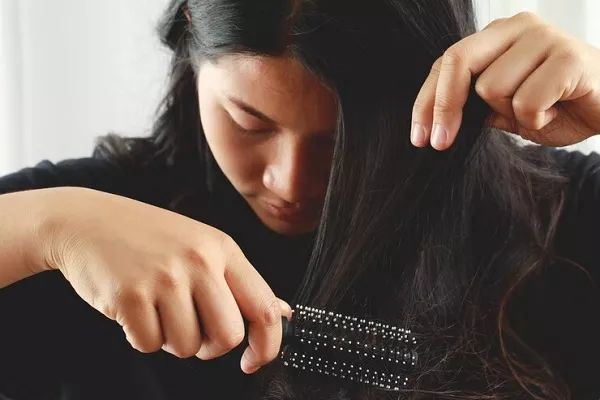
When dealing with teased hair, avoid washing it before you attempt to untangle it. Wetting your hair can inadvertently trap the knots, making them even more stubborn and increasing the risk of damage. Instead, reach for your detangling brush and focus on working through a tiny section at a time, applying gentle pressure.
Take your time; patience is key. If you find your hair is particularly matted, consider applying a moisturizing conditioner to your dry hair. This will help to ease the removal of knots, providing much-needed slip as you work through each tangle, transforming what could be a frustrating ordeal into a more manageable process.
4. Use a good detangling spray on colour-treated hair
Colour-treated hair, while vibrant and stylish, is significantly more susceptible to breakage compared to untreated strands. This heightened vulnerability is due to the chemical processes involved in colouring, which can compromise the hair’s natural structure and moisture levels.
We strongly recommend incorporating a moisturizing detangling spray into your hair care routine to counteract this issue. This spray is specially formulated to help detangle damaged hair, effectively minimizing the damage that may occur during the detangling process. By providing a protective barrier, the detangler reduces the strain caused by pulling on the hair, thus mitigating the risk of breakage.
5. Use oil to protect your strands to untangle hair
When you finally manage to remove those pesky knots from your hair, you may notice that your strands feel fragile and lacking in moisture. Detangling can be quite a strenuous process, often leaving the hair dehydrated and needing nourishment. To remedy this, it is essential to apply high-quality, 100 per cent virgin olive oil generously from the roots all the way to the tips of your hair.
After you have worked the oil through, consider covering your hair and letting it sit under a hair steamer for approximately twenty minutes. This helps open up the hair cuticles, allowing the oil to penetrate deeply. This nourishing treatment will not only replenish moisture but also enhance the overall health of your hair, transforming dehydrated strands into silky, hydrated locks.
6. Fight tangles while sleeping
A luxurious silk pillowcase is an extraordinary solution for preventing hair tangles. However, for an even more effective approach, consider wearing a silk hat while you sleep. While a silk pillowcase can benefit your hair when you lay your head upon it, a silk hat offers distinctive advantages.
It gently holds hair in place, minimizing friction between it and your sheets, pyjamas, and pillow. This makes it ideal for those who tend to move around in their sleep. Additionally, the silk hat retains moisture throughout the night, ensuring that hair stays hydrated and vibrant.
7. Apply a weekly mask
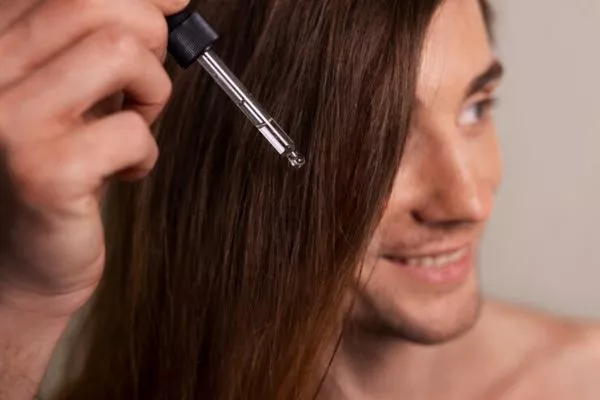
Dryness is a common issue that can significantly contribute to hair tangling. When hair lacks adequate moisture, the strands become more prone to friction and knots, making them harder to manage. If you frequently find that your hair tangles easily, consider incorporating a deep treatment mask into your hair care regimen.
A hair mask is designed to provide intensive hydration, replenishing the moisture and nourishment essential for maintaining healthy hair. These treatments penetrate deep into the hair shaft, restoring elasticity and softness while smoothing the hair cuticle’s outer layer. This dual action not only helps prevent tangling but also enhances the overall texture of your hair. To achieve optimal results, use the mask once or twice a week.
Faq’s
What is the best way to detangle hair without causing damage?
To detangle hair without causing damage, always start from the ends and work your way up to the roots. Use a wide-tooth comb or your fingers, and detangle when your hair is wet and conditioned for easier and gentler detangling.
Are there specific products that help with detangling?
Yes, various products are designed to help with detangling. These include leave-in conditioners, detangling sprays, and creamy detanglers. Choose products that suit your hair type and provide enough slip to reduce friction.
Can detangling cause hair loss?
If detangling is done incorrectly or too harshly, it can cause hair breakage, which may be perceived as hair loss. Being gentle and using the right techniques and products can help minimize breakage and keep hair healthy.
Conclusion
Proper hair care is necessary to detangle hair, especially detangling. You can minimise damage and promote overall hair health by tailoring techniques and products to your specific hair type. Starting from the ends, using the right tools, and incorporating moisture-rich products like detangling sprays or conditioners are effective ways to tackle knots gently. Regular care, such as applying hair masks and protecting your hair while sleeping, further ensures long-lasting strength and beauty. Embracing these practices prevents tangles and enhances the texture and vitality of your hair, making every strand shine.
At Capilclinic, we’re trusted by thousands of patients in the UK and Europe as a leading Hair Transplant Clinic in Turkey and Spain, known for our expert doctors, advanced facilities, natural hairline results, and affordable all-inclusive packages. Reach out to our team today to start your transformation.