


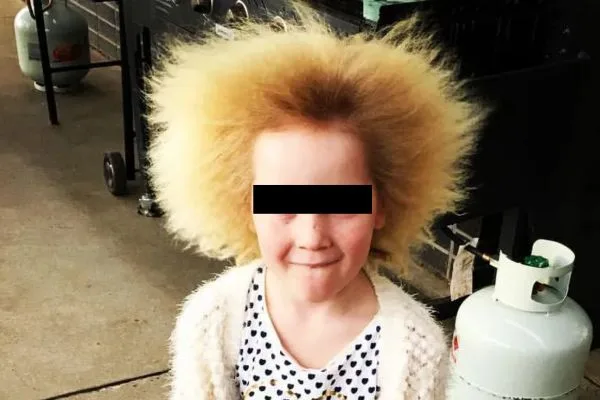
Imagine a head of hair that refuses to be tamed, no matter how much you brush, comb, or style it. This is a daily reality for individuals with Uncombable Hair Syndrome (UHS). This rare genetic disorder, also known as “spun glass hair” or “pili trianguli et canaliculi,” causes hair to become unruly and unmanageable, standing up from the scalp and defying gravity.
While Uncombable Hair Syndrome may seem like a quirky or even charming trait, it can have significant physical and psychological effects. The condition can make personal hygiene difficult, leading to social stigma and self-esteem challenges. It presents a unique set of difficulties for those affected, requiring understanding and support.
What is Uncombable Hair Syndrome?
Uncombable Hair Syndrome is a rare, inherited genetic disorder that affects hair structure and appearance. This genetic mutation disrupts the normal development and growth of hair follicles. Also called “spun glass hair” or “pili triangular et canaliculi,” this condition causes dry, frizzy, and unruly hair that stands up from the scalp. It often resembles a “haystack” or “spun glass” appearance.
The main feature of UHS is the inability to comb or style the hair effectively despite repeated attempts. This occurs because the hair strands have unique structural and chemical properties, distinguishing them from typical healthy hair. It affects an estimated 1 in 100,000 individuals. It can impact people of all ages, genders, and ethnicities, although it is most commonly diagnosed in children and adolescents.
Other rare childhood hair findings include localised white streaks or patches with normal hair density, known as poliosis, although different from UHS, they can raise similar cosmetic and emotional concerns for families.
Causes of Uncombable Hair Syndrome
As mentioned, the primary cause of Uncombable Hair Syndrome is a genetic mutation that disrupts hair follicles’ normal development and growth. Specifically, UHS is linked to mutations in genes such as PADI3, TGM3, and TCHH, which are responsible for hair protein production and structure.
These genetic mutations prevent the proper formation of the hair shaft. That results in the distinctive triangular shape and central longitudinal groove seen in UHS. Consequently, the hair becomes dry, frizzy, and resistant to styling or combing.
UHS is typically inherited in an autosomal recessive pattern. That means a person must inherit two copies of the mutated gene—one from each parent—to develop the condition. If only one copy of the mutated gene is inherited, the person may be a carrier but will not exhibit the characteristic hair symptoms.
In some cases, UHS is associated with other genetic disorders, such as ectodermal dysplasia and Menkes syndrome. These conditions affect the development and function of ectodermal tissues, including hair, nails, and skin.
What are the symptoms of Uncombable Hair Syndrome?
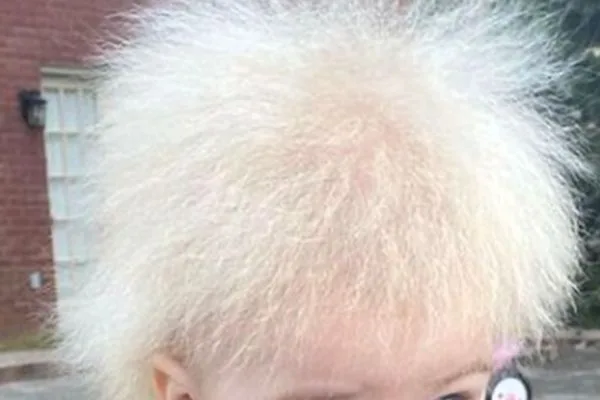
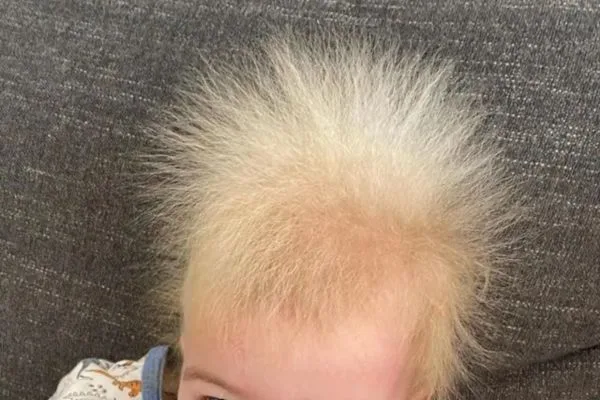
UHS’s primary and most distinctive symptom is the unruly, unmanageable appearance of the affected individual’s hair. This hair is typically described as dry, frizzy, and resistant to styling, often standing up from the scalp in a characteristic “haystack” or “spun glass” fashion.
Symptoms of UHS can appear at any time between three months and twelve years of age. The condition primarily affects the hair on the scalp, with no impact on hair volume, though the growth rate is often slow. Over time, the hair may change to a silvery-blonde or straw-like colour, becoming dry and disorganized. It stands on end and grows in various directions, making it difficult to comb flat.
UHS does not always cause the hair to become fragile. Still, constant attempts to manage the hair may sometimes lead to breakage. The condition improves significantly in many patients as the child enters their later years. Other symptoms may also be present if UHS is part of a broader syndrome.
IMPORTANT: You must determine whether UHS is an isolated condition or part of a more significant syndrome.
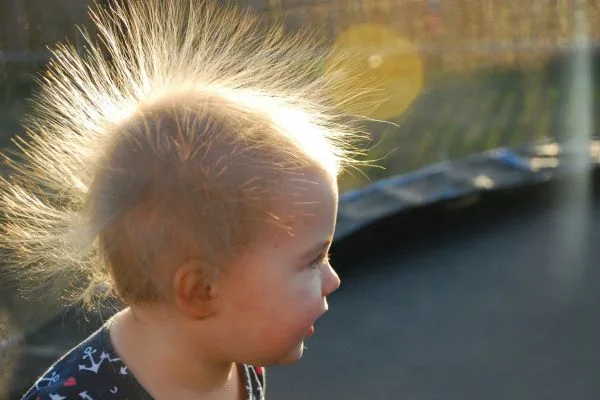
So, to make a clean sweep, the most noticeable symptoms of this condition are as follows:
- Inability to comb or brush the hair effectively.
- Increased hair volume and thickness.
- Lack of shine and lustre.
- Slow or delayed hair growth.
- Sensitivity to heat and chemical treatments.
How to diagnose UHS?
Diagnosing UHS typically requires a complete approach that combines clinical observation with genetic testing to ensure an accurate diagnosis. Initially, a healthcare provider will conduct a thorough physical examination of the individual’s hair. They will look for distinctive features characteristic of UHS, particularly the unique triangular shapes of the hair strands and the central longitudinal groove that runs along each strand.
To investigate further, the clinician may take a small sample of the individual’s hair and analyze it under a microscope. This microscopic analysis is crucial, as it allows for the identification of specific structural abnormalities that differentiate UHS from other hair disorders. The examination can reveal the atypical cuticle structure and the significant disruption in the hair’s internal cortex that are typically present in individuals with this syndrome.
In conjunction with physical examination findings, genetic testing plays a vital role in confirming the diagnosis. This testing aims to identify mutations in certain genes known to be associated with UHS, such as the PADI3, TGM3, and HMCN1 genes. Identifying these gene mutations not only solidifies the diagnosis but also provides valuable information that can guide potential treatment options and help families understand the hereditary implications of the syndrome.
Treatment for the Syndrome of Uncombable Hair
Unfortunately, no cure exists for Uncombable Hair Syndrome. The condition results from a genetic mutation that cannot be easily corrected. However, people can employ various strategies and treatments. These methods help manage the symptoms. They also improve the overall appearance and manageability of the affected hair.
- Gentle hair care: To avoid further damaging their fragile hair, people with UHS should use gentle, sulfate-free shampoos and conditioners. They should also avoid harsh chemicals, heat-based styling tools, and excessive brushing or combing.
- Moisturizing and conditioning treatments: Regular use of deep conditioning treatments, hair oils, and leave-in conditioners can improve hair texture, reduce frizz, and make it more manageable.
- Hairstyling techniques: While the hair may be resistant to traditional hairstyling methods, specific techniques, such as finger-combing, air-drying, and the use of soft, wide-toothed combs, can help tame the unruly strands.
- Protective hairstyles: Styles that minimize manipulation and reduce stress on the hair, such as braids, buns, or headbands, can be beneficial for individuals with UHS.
- Topical treatments: In some cases, healthcare providers may recommend topical treatments, such as special shampoos or creams, that target the underlying structural and chemical abnormalities of the hair.
Last but not least, for people with a confirmed diagnosis of UHS, genetic counselling can provide valuable information about the condition, its inheritance patterns, and the potential implications for family planning. We must support people with this disorder, as they must live with it, but we can help them not to feel excluded or like “weirdos”.
Hairstyles ideas suitable for UHS
Here are some protective hairstyles that can benefit individuals with Uncombable Hair Syndrome (UHS):
- Braids: Braiding the hair, whether in single braids, cornrows, or more intricate styles, reduces manipulation. This helps minimize stress on fragile strands, making the hair more manageable and preventing damage.
- Buns and updos: Securing the hair in a loose bun or updo helps contain and protect the unruly strands. It’s a practical and stylish option for those with UHS.
- Headbands and Headscarves: Soft, wide headbands or headscarves tame frizz and unmanageability. They also add a fashionable touch while keeping the hair under control.
- Wigs and hairpieces: Individuals with UHS may opt for wigs or hairpieces to achieve a polished look. These can be especially helpful for special events.
- Extensions and weaves: Adding extensions or weaving the hair provides a more uniform appearance. However, applying and maintaining these styles carefully is essential to avoid additional damage to fragile hair.
The key to any protective style for UHS is to minimize manipulation. Avoid excessive tension or pulling. Use gentle, moisture-rich products to maintain healthy, beautiful hair.
Faq’s
How to tell if a child has Uncombable Hair Syndrome?
Signs include dry, frizzy, and unruly hair that resists combing or brushing. The hair may also appear shiny or have a straw-like texture. Consulting a doctor or geneticist can help confirm the diagnosis if these traits are persistent.
Is Uncombable Hair Syndrome a life-threatening condition?
No. It is not considered a life-threatening condition. While it can affect hair aesthetics and lead to styling challenges, it does not compromise a person’s overall health or well-being. Instead, those with UHS generally enjoy good health, as the condition is purely cosmetic and presents no inherent risk to their physical or mental wellness.
Is there a link between UHS and other health conditions?
Yes. In certain instances, UHS can be linked to various additional medical conditions. These may include intellectual disabilities, which can impact cognitive functioning and learning abilities, and various skin disorders that might manifest as rashes, lesions, or other dermatological concerns.
Conclusion
Uncombable Hair Syndrome is a rare and unique genetic condition that brings both physical and emotional challenges for those affected. While there is no cure for the disorder, various treatments and care routines can significantly improve the appearance and manageability of the hair. By focusing on gentle hair care, moisturizing, and protective hairstyles, individuals with UHS can reduce discomfort and maintain a healthy, manageable hair routine. Support from genetic counselling and understanding from others can also help those with UHS navigate the social and psychological aspects of the condition.
At Capilclinic, we’re trusted by thousands of patients in the UK and Europe as a leading Hair Transplant Clinic in Turkey and Spain, known for our expert doctors, advanced facilities, natural hairline results, and affordable all-inclusive packages. Reach out to our team today to start your transformation.