



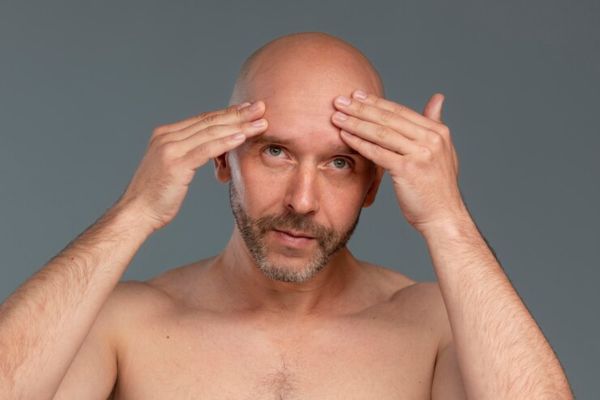
Baldness, also known as alopecia, is a common condition that can affect both men and women, impacting not only their physical appearance but also their mental well-being. Individuals with this condition may experience partial or complete hair loss on their scalp or other parts of their body. It’s important to note that some hair loss is normal, but for those experiencing more severe cases, it can be distressing, as there are many types of baldness.
Did you know that approximately two out of three men are at risk of experiencing some degree of baldness? However, with the available treatments and methods offered by Capilclinic, such as hair follicle restoration, there is hope for regrowth and rejuvenation.
If you’ve noticed unusual patterns of hair loss or bald spots recently, it’s essential to understand the different types of baldness and how they might manifest. By recognizing the specific type of baldness you may be experiencing, you can gain insight into potential causes and available treatment options.
Types of Baldness
- Androgenetic Alopecia (Male and Female Pattern Baldness): Androgenetic Alopecia is a very common type of hair loss with a genetic predisposition. In men, the most common symptoms are thinning at the crown and a receding hairline, while women often experience total hair loss. This condition tends to run in families and can have varying degrees of severity.
- Alopecia Areata: Alopecia Areata is an autoimmune condition in which the body’s immune system mistakenly attacks its own hair follicles. That leads to the development of localized, round patches of hair loss. This condition can manifest on any part of the body, not just the scalp.
- Telogen Effluvium: Telogen Effluvium typically causes short-term hair loss. It often occurs due to significant stress. Additionally, illness or hormonal fluctuations can trigger this condition. This condition results in a large number of hair follicles entering the resting phase simultaneously, leading to excessive hair shedding.
- Traction Alopecia: Traction alopecia is a type of hair loss that occurs when there is persistent pulling or tension on the hair follicles. This condition commonly appears in individuals who regularly wear tight hairstyles. For example, it often affects those who wear braids, ponytails, or cornrows. Over time, the constant strain on the hair can lead to damage and hair loss in the affected areas.
Another type of Alopecia
There is another type of Alopecia, Scarring Alopecia. This alopecia, also known as cicatricial alopecia, is a type of hair loss in which inflammation damages the hair follicles, forming scar tissue. This scarring prevents the regrowth of hair in the affected areas. Various factors can cause scarring alopecia. For instance, infections can lead to this condition.
Additionally, autoimmune diseases like lichen planopilaris or discoid lupus erythematosus can be triggers. Certain skin conditions, such as folliculitis decalvans, may also cause scarring alopecia. If you suspect you may have scarring alopecia, it is important to seek medical attention for an accurate diagnosis and appropriate treatment.
Types of baldness in People
The type of baldness described below doesn’t fit into any scientific category. Still, it is the most common type of baldness in both men and women around the world. Perhaps, you have probably seen it on more than one occasion as you walked down the street. The main types of baldness are as follows:
Ominous baldness
This type of hair loss, known as alopecia totalis, affects the entire scalp, resulting in the loss of all hair follicles and a shiny, smooth appearance. Zinedine Zidane is a famous example of someone who exhibits this type of hair loss. Zidane.
Elusive baldness
Despite the visibility of their bald spots from all angles, individuals experiencing this particular type of hair loss still maintain hair follicles on the back and sides of their heads, enabling them to style their hair.
Growing baldness
For individuals who are not completely bald but are approaching that stage, the effects on the remaining hair may not be immediately noticeable, but they often present as a receding hairline and reduced hair growth. These changes may become more apparent over the course of several years.
Patchy baldness
Bald spots on the top and sides of the head can be challenging to hide. While they are a common identifying feature, they may not always be visible. These areas are where hair does not grow, which can leave the person with little to no hair coverage.
Symptoms of the Types of baldness
The signs and symptoms of baldness can be rather diverse, depending on the kind and cause of hair loss.
- Gradual Thinning: Baldness is often first seen by a gradual thinning of hair, most noticeably around the crown and temples.
- Patchy Hair Loss: This type of baldness usually shows up as small, round spots of hair loss. In these areas, the hairs may be smooth or have a “exclamation mark” shape. With hairs that are thinner at the base than at the top.
- Sudden Shedding: Telogen effluvium is a condition characterized by abrupt and conspicuous hair loss. It is frequently instigated by a distressing incident, medical ailment, or fluctuations in hormone levels.
- Visible Scalp: People with baldness may notice their head more when their hair gets thinner.
- Scalp Changes: Scalp skin abnormalities like redness, scaling, or pustules are possible outcomes of scarring alopecia.
Causes of Baldness
- Genetics: The most common cause of baldness is a genetic predisposition. Androgenetic alopecia is often inherited from either parent.
- Hormonal Changes: Fluctuations in hormones, such as those that occur during puberty, pregnancy, and menopause, can lead to baldness.
- Autoimmune Conditions: Conditions like alopecia areata involve the immune system mistakenly attacking hair follicles, leading to hair loss.
- Stress: Significant emotional or physical stress can trigger telogen effluvium, causing hair to enter the resting phase prematurely.
- Hairstyling Practices: Traction alopecia is often caused by hairstyles that exert constant tension on the hair, leading to breakage and hair loss.
- Medical Conditions: Certain medical conditions, such as thyroid disorders, lupus, and diabetes, can contribute to hair loss.
- Medications: Some medications, including chemotherapy drugs, anticoagulants, and certain antidepressants, may cause hair loss as a side effect.
Potential Solutions for Different Types of baldness
Medications
- Minoxidil: This topical medication may be purchased without a prescription and has been authorized for use by individuals of both genders. Topical application of this substance to the scalp has been seen to potentially stimulate hair growth and mitigate the rate of hair loss.
- Finasteride: Finasteride, an orally administered medicine. Is prescribed to men as a means of inhibiting the activity of dihydrotestosterone (DHT). A hormone that plays a crucial role in the development of male pattern baldness.
Hair Transplantation
- Follicular Unit Transplantation (FUT): This process involves removing a strip of scalp from the donor area and transplanting individual hair follicles to bald areas.
- Follicular Unit Extraction (FUE): This technique involves extracting individual hair follicles from the donor region and subsequent transplantation to the designated recipient spot.
Platelet-Rich Plasma (PRP) Therapy
Platelet-rich plasma (PRP) therapy is a medical procedure that involves extracting a small quantity of the patient’s blood, usually from the arm. The blood is then placed in a centrifuge, a machine that spins rapidly to separate fluids of different densities. This process allows for the isolation and extraction of the platelet-rich plasma, which is then processed to enhance the concentration of platelets.
Finally, the PRP is administered through injection into the scalp. There is growing interest in PRP therapy as a potential treatment for hair loss. People with different types of baldness believe that the growth factors in the platelets have the potential to stimulate hair follicles and facilitate hair development. While research on the efficacy of PRP therapy for hair loss is ongoing, some studies have shown promising results, and many individuals have reported positive outcomes from the treatment.
Laser Therapy
Low-level laser treatment (LLLT) devices, such as laser combs or helmets, generate light at low levels. These devices have the potential to stimulate hair growth by augmenting cellular activity, so it’s a good idea for different types of baldness.
Topical Corticosteroids
Remember to use corticosteroid creams or ointments on the scalp as they have been found to effectively mitigate inflammation and reduce itching. Also, decrease the immune response in individuals with illnesses such as alopecia areata. This treatment can help manage the symptoms and provide relief for those dealing with scalp conditions.
Adjusting Hairstyling Practices
To mitigate the progression of traction alopecia, it’s important to embrace hairstyles that exert less strain on your hair and avoid subjecting it to continuous tension. This approach involves opting for looser styles. You should also avoid tight ponytails or braids. Be mindful of the amount of tension you apply to your hair during styling. Additionally, pay attention to how tight your hairstyles are to prevent damage. It’s also crucial to give your hair regular breaks from styles that put stress on the roots. Taking these measures can help prevent the gradual hair loss associated with traction alopecia.
Lifestyle Modifications
Scarring alopecia can result from various factors. For example, infections may lead to this condition. Autoimmune diseases, like lichen planopilaris or discoid lupus erythematosus, can also trigger it. Additionally, certain skin conditions, such as folliculitis decalvans, might cause scarring alopecia.
Wigs and Hairpieces
Wigs and hairpieces are excellent options for people who want to hide hair loss without resorting to surgery. They provide a natural-looking, temporary, non-invasive solution.
Conclusion
Many other forms of baldness exist besides those listed here. Numerous men and women are affected by the various types of baldness that have been identified. If you suffer from alopecia, don’t hesitate to contact a clinic like Capilclinic. We offer permanent treatments at affordable prices for those affected by this condition. Get in touch with our medical staff using one of the channels provided on this site if you have any questions. Tell us what you’re going through, and we’ll find you a tailor-made solution that will produce permanent, high-quality results.