



Hair loss deeply concerns those grappling with its effects, transcending mere aesthetic worries to signify underlying health problems potentially. Seeking the expertise of a specialist becomes imperative not just for diagnosis but also to unravel the complexities causing hair loss. This article will discuss the types of alopecia and how they are treated. Questions naturally arise about our dietary choices, the methods we employ in washing and combing our hair, and whether our scalp is subject to excessive exposure that might impact our overall health.
In the quest for a comprehensive diagnosis, scrutinizing various facets of our lifestyle becomes essential. Suppose hair loss persists beyond explicable reasons, such as the usual seasonal variations, periods of heightened stress, or even insufficient care of our hair follicles. In that case, it might indicate a specific type of alopecia. This underscores the importance of seeking professional advice, enabling a nuanced understanding of the issue and a targeted approach to address it effectively.
Types of alopecia
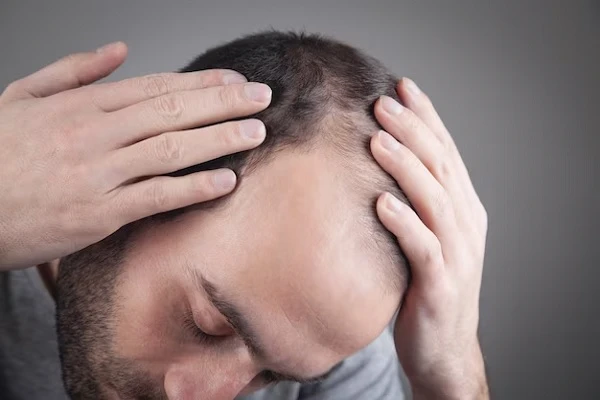
Diverse types of alopecia afflict individuals, and they are categorized into two primary groups: those that induce scarring and those that do not. The former, which is prevalent and also offers simpler solutions, contrasts with the latter, which often emerges as a consequence of prevalent alopecia types like androgenetic, areata, or conditions like telogen effluvium.
Androgenetic Alopecia
A result of hormonal imbalances requires targeted hormone treatments to impede its progression. Additionally, therapeutic interventions often involve the use of substances like minoxidil. Minoxidil serves the dual purpose of stimulating the growth of new hair follicles and fortifying existing ones.
Diagnosis of androgenetic alopecia typically prompts physicians to request comprehensive analyses. This way, patients exclude any underlying health issues that may contribute to its manifestation. This proactive approach aids in understanding the root cause and devising a practical course of action.
Alopecia Areata
In the context of alopecia areata, it’s essential to emphasize that this condition stems from an autoimmune response where the body’s defences mistakenly target and attack the hair follicles. The repercussions of this autoimmune reaction extend to all areas of the body with hair.
However, there is hope for reversal through diverse treatment modalities. Physicians often conduct thorough examinations to ascertain if an underlying autoimmune disease is a catalyst for alopecia areata.
Telogen Effluvium
Turning attention to telogen effluvium, its onset is attributed to various factors. Those causes include anaemia, deficiency in specific vitamins, prolonged exposure to sunlight, the onset of fever, or a response to surgical intervention. Notably, the manifestation of hair loss becomes apparent approximately three months after initiating the contributing factor. Resolving the underlying issue is pivotal for restoring hair growth, and once successfully addressed, hair regrowth becomes a tangible and achievable outcome.
Ultimately, it’s crucial to highlight that addressing scarring alopecia necessitates a comprehensive examination and various assessments to pinpoint the most suitable intervention for each instance. Swift identification and prompt treatment initiation can effectively halt hair loss within a brief timeframe.
Factors Contributing to Alopecia
- Genetics: Genetic predispositions can influence Alopecia. Hereditary factors significantly determine an individual’s susceptibility to hair loss. Understanding one’s family history becomes crucial in assessing the genetic component of alopecia.
- Hormones: Hormonal imbalances, such as those occurring during puberty, pregnancy, or menopause, can contribute to the onset of alopecia. The interplay between hormones, especially androgens, can influence hair growth cycles and lead to androgenetic alopecia.
- Stress: Psychological stress, whether acute or chronic, is recognized as a potential trigger for alopecia. Stress-induced hair loss, known as telogen effluvium, can disrupt the normal hair growth cycle, causing premature shedding. Managing stress through various techniques is essential in preventing stress-related alopecia.
- Medical Conditions: Certain medical conditions, such as autoimmune disorders (e.g., alopecia areata), thyroid disorders, and fungal scalp infections, can contribute to alopecia. Identifying and treating these underlying health issues is integral to managing and preventing hair loss.
- Lifestyle Factors: Various lifestyle choices, including diet, smoking, and excessive alcohol consumption, can impact overall health and subsequently influence hair health. Poor nutrition, for example, may lead to nutrient deficiencies that affect hair growth. Adopting a healthy lifestyle that encompasses proper nutrition and habits is essential for preventing alopecia associated with lifestyle factors.
Understanding the multifaceted nature of these causes allows for a more comprehensive approach to diagnosing, treating, and preventing different types of alopecia. It emphasizes the importance of personalized strategies tailored to address the specific factors contributing to an individual’s hair loss.
Alopecia Symptoms
Patchy Hair Loss
- Distinct Patterns: Alopecia presents with irregular and patchy hair loss, often forming noticeable patterns on the scalp.
- Varied Sizes: The patches may vary in size and shape, contributing to the uniqueness of the hair loss presentation.
- Potential Progression: Understanding how these patches evolve can provide insights into the condition’s progression.
Diffuse Thinning Hair
- Gradual Hair Thinning: Beyond patchy loss, alopecia can lead to a gradual thinning of hair across the entire scalp.
- Observable Density Changes: Monitoring changes in hair density throughout different scalp regions can offer valuable diagnostic information.
- Impact on Styling: Individuals may notice increased difficulty in styling their hair due to the diminishing overall volume.
Scalp Redness or Irritation
- Inflammatory Component: The scalp redness or irritation suggests a potential inflammatory aspect to alopecia.
- Diagnostic Clues: Examining the nature and distribution of redness can aid in determining the underlying causes and informing treatment strategies.
- Sensation Analysis: Understanding associated sensations, such as itching or tenderness, contributes to a comprehensive assessment.
Hair Fragility
- Breakage Proneness: Alopecia often results in increased fragility of hair strands, making them more susceptible to breakage.
- Structural Deterioration: Exploring the structural changes in individual hair strands provides insights into the overall health of the hair.
- Contributing Factors: Identifying external factors that may exacerbate hair fragility, such as styling practices or environmental influences, enhances the holistic understanding of the condition.
By delving into these nuanced details, we can achieve a more comprehensive understanding of the varied manifestations of alopecia, facilitating a more informed approach to diagnosis and treatment.
Natural Approaches to Address Alopecia
Essential Oils
- Lavender Oil: Infamous for its soothing and stress-relieving characteristics, this product can be gently massaged onto the scalp to induce a sense of calm and, potentially, support the promotion of hair growth.
- Rosemary Oil: Rosemary oil is believed to have anti-inflammatory properties, which may be helpful in addressing conditions that contribute to hair loss (alopecia).
Aloe Vera
- Soothing Gel: Aloe vera’s relaxing properties can alleviate scalp irritation associated with alopecia. This magic plant potentially creates a conducive environment for hair regrowth.
- Enzymatic Benefits: Aloe vera contains beneficial enzymes that can help to promote a healthy scalp by addressing common issues such as dandruff and excessive sebum production. These enzymes work to maintain scalp health and create an optimal environment for healthy hair growth.
Ginseng
- Herbal Supplement: Ginseng is a supplement. Some believe it offers potential benefits for promoting hair growth. This is believed to be attributed to its anti-inflammatory properties, which may positively impact hair health.
Onion Juice
- Sulfur Content: Onion juice contains high levels of sulfur, a crucial element for promoting collagen production. This, in turn, can support the health of hair follicles and help reduce hair loss.
- Topical Application: Massaging onion juice directly into the scalp is a commonly used home remedy believed to promote hair growth.
Nutritional Support
- Biotin-Rich Foods: Foods rich in biotin, such as eggs and nuts, can contribute to maintaining healthy hair and may be included in a balanced diet.
- Omega-3 Fatty Acids: Incorporating foods like fatty fish or flaxseeds, rich in omega-3 fatty acids, may support overall hair health.
Is Alopecia Different in Men, Women, and Children?
Yes, alopecia can manifest differently in men, women, and children. Here’s an overview of the distinctions:
Men
- Common Type: Male-pattern baldness, also known as androgenetic alopecia, is a prevalent form of hair loss in men. It often starts with a receding hairline and thinning at the crown.
- Hormonal Influence: Androgens, specifically dihydrotestosterone (DHT), play a role in male-pattern baldness.
- Patterned Hair Loss: Hair loss typically follows a distinct pattern, progressing from the front and crown areas.
Women
- Female-Pattern Baldness: Women may also experience androgenetic alopecia, characterized by diffuse thinning across the scalp rather than a receding hairline.
- Hormonal Factors: Hormonal changes, such as those during pregnancy or menopause, can contribute to hair loss in women.
- Temporary Hair Loss: Some women may experience temporary hair loss due to stress, illness, or certain medications.
Children
- Alopecia Areata: Children can develop alopecia areata, an autoimmune condition where the immune system mistakenly attacks hair follicles, resulting in patchy hair loss.
- Traction Alopecia: Hairstyles that exert tension on the hair, like tight braids or ponytails, can lead to traction alopecia in children.
- Telogen Effluvium: A stressful event, illness, or nutritional deficiency can cause temporary hair shedding in children, known as telogen effluvium.
Other Types of Alopecia
- Scarring Alopecia: This type involves permanent hair loss due to scarring of the hair follicles. It can occur in men and women and may result from various causes, including inflammation or skin disorders.
- Congenital Alopecia: Some children may have congenital conditions that lead to hair loss from birth.”Aloe vera’s soothing gel has been found to possess relaxing properties that can help to alleviate scalp irritation often associated with alopecia, potentially creating a conducive environment for promoting hair regrowth.”