



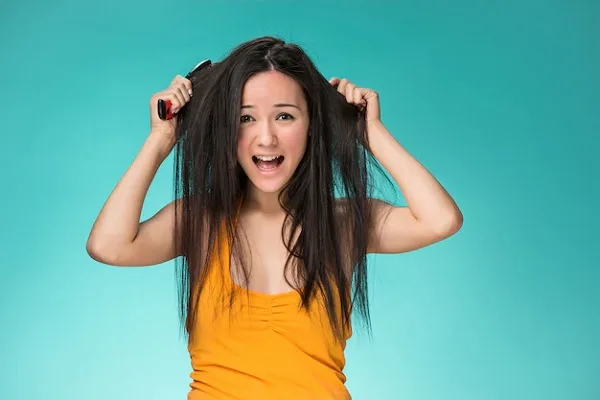
Trichorrhexis nodosa is a common hair shaft disorder characterized by the formation of weak spots or nodules along the hair shaft. This condition is usually due to excessive physical or chemical trauma to the hair, such as excessive brushing, heat styling, or harsh chemical treatments such as bleaching. It may also be related to underlying health problems, further complicating its causes and treatment.
Treating Trichorrhexis nodosa requires understanding its causes and a gentle hair care routine. In severe cases, a medical evaluation may be necessary to rule out or treat underlying conditions. This article will discuss the causes, symptoms, and treatment strategies for trichorrhexis nodosa and everything you need to know about this uncomfortable condition.
What is Trichorrhexis Nodosa?
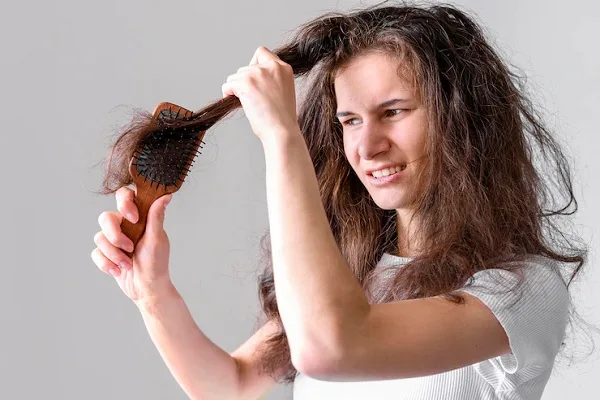
Trichorrhexis nodosa often affects the hair shaft, causing visible irregularities. It forms nodules that result in alopecia and hair breakage. Experts divide this condition into two categories: acquired and congenital.
Although it primarily targets scalp hair, it can also affect eyebrows, eyelashes, and pubic hair. Under a microscope, the damaged hairs appear split, resembling open brushes. These splits expose fibres sticking out in different directions, highlighting the severity of the condition.
Who is most likely to suffer from Trichorrhexis Nodosa?
People of African descent and individuals with curly hair are more prone to this condition. The spiral shape of the hair shaft and follicle makes African hair more fragile than other types. This hair type is naturally thinner, less dense, and grows slower than other ethnic groups, increasing its vulnerability to breakage.
Types of Trichorrhexis Nodosa
Trichorrhexis nodosa is categorized into two main types: congenital and acquired. Here’s a detailed explanation of each type:
Congenital Trichorrhexis Nodosa
This type is present from birth and is often inherited. It results from a genetic mutation that affects the structure of the hair shaft. People with congenital Trichorrhexis nodosa typically exhibit symptoms from an early age, such as hair breakage, nodules, and fragile hair.
It may affect all types of hair on the body, including the scalp, eyebrows, and eyelashes. Congenital cases tend to be more severe, with noticeable hair weakness and breakage throughout life. It is often associated with other genetic disorders, like connective tissue diseases or metabolic conditions.
Acquired Trichorrhexis Nodosa
This type of Trichorrhexis Nodosa develops due to external factors such as physical damage, harsh chemical treatments, or mechanical stress, such as excessive brushing or tight hairstyles. It can also result from chronic exposure to environmental factors like the sun or pollution.
Symptoms typically appear later in life, often after prolonged exposure to damaging treatments or stress. Common signs include nodules, breakage, and hair thinning, with severity varying depending on the level of damage. Hair damage is usually limited to areas repeatedly stressed or exposed to harsh conditions in acquired cases.
Both types share similar symptoms, but their causes and progression differ. Congenital cases tend to be more persistent, while acquired cases often improve with lifestyle changes or treatment.
Cause of Trichorrhexis Nodosa
As we said, Trichorrhexis nodosa is a disturbance in the delicate balance of the hair’s structural components. This condition, often referred to as ‘hair in drops,’ can be caused by several factors that we will detail below.
Heat
Heated hair styling products, such as blow dryers, hot combs, curlers, and flat irons, expose hair to extremely high temperatures. This process temporarily changes the hair’s shape and style. However, the intense heat often makes hair brittle and prone to breakage. Additionally, hot oil used during styling can drip onto the scalp. This can cause scarring, which may lead to permanent hair loss.
Chemical
Permanent waves and chemical relaxers can be quite harsh on hair. They can cause significant damage to the cuticle layer, which serves as the first line of defence. This damage results in a more brittle texture, as the treatments strip away the delicate outer protective layer that helps maintain hair health.
The process disrupts the hair’s inherent chemical bonds, altering its natural amino acid composition. Consequently, the hair becomes weaker and loses vitality, leading to a dry, fragile appearance lacking lustre and shine.
Colour changes
Permanent hair colour alters the hair’s chemical structure, transforming its natural properties. This process often increases brittleness as the hair loses vital moisture and nutrients. When applied regularly, the dye can exacerbate damage, manifesting in various forms such as hair breakage, split ends, and an overall rough texture.
As time goes by, these alterations lead to a lacklustre and lifeless look, making the hair more complicated to manage and maintain its shine. Proper care for chemically treated hair reduces these effects and encourages healthier strands.
Excessive drying
African hair’s natural wavy or curly texture presents unique challenges in hair care. However, these intricate curls and waves are also what makes this hair type so unique and beautiful. The challenge lies in the scalp’s essential oils struggling to travel down the hair shaft, often leaving the strands feeling dry and brittle.
Washing the hair too frequently can strip away these crucial oils, increasing the risk of breakage and damage. Additionally, while styling products such as hair sprays and gels effectively achieve the desired look, they can contribute to hair fragility.
Protein imbalance
A key factor contributing to trichorrhexis nodosa is a protein imbalance. This imbalance affects the hair’s cortex, the innermost layer of each hair strand. When these proteins are misaligned or damaged, the hair’s structural integrity is compromised, resulting in the distinctive knotty, swollen nodes.
Other causes of Trichorrhexis Nodosa
Frequent physical damage, such as brushing, combing, scratching, or harsh scalp massages, can cause hair breakage. Hair is also more likely to break or tangle when pulled tightly in styles like braids, weaves, twists, or extensions.
This condition affects African-American children more often than African-American women, though both groups can experience it. Diseases like hypothyroidism, Netherton syndrome, Menkes’ kinky hair syndrome, and ectodermal dysplasia are associated with this disorder.
What are the symptoms of Trichorrhexis Nodosa?
Trichorrhexis nodosa is a condition that significantly impacts the structure and visual appearance of hair, leading to a variety of noticeable symptoms. Below are the key signs to watch for:
Hair breakage
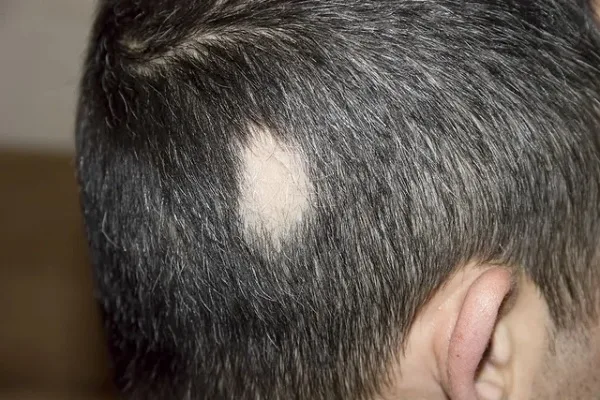
One of the hallmark symptoms of trichorrhexis nodosa is excessive hair breakage. This breakage often occurs at various points along the hair shaft, leading to uneven lengths. People may find their hair snaps off easily, even with gentle manipulation or styling. This can lead to noticeable thinning and patchy areas on the scalp, giving the hair an uneven and unhealthy look.
Nodules on the hair shaft
A characteristic feature of trichorrhexis nodosa is the formation of small, bead-like nodules along the hair shaft. These nodules represent weakened areas in the hair fibers, where structural damage has occurred. The presence of these knots indicates that the hair is compromised and more susceptible to breakage, leading to further hair loss over time.
Split ends
The condition is also associated with pronounced split ends. As the hair ends become frayed, they may take on a “brush-like” appearance. Upon microscopic examination, the hair shaft may show splits resembling forks or brushes, where individual fibers diverge in various directions. This indicates a significant level of weakness in the hair structure.
Alopecia (hair loss)
People suffering from trichorrhexis nodosa may experience varying degrees of alopecia. This is primarily due to the hair’s frequent breakage and underlying fragility. Hair loss may be localized, manifesting in specific patches on the scalp; however, in more severe cases, it can lead to widespread hair thinning, creating an overall appearance of reduced hair volume.
Texture changes
The texture of hair affected by trichorrhexis nodosa tends to change notably. People may describe their hair as rough, brittle, or overly dry. This loss of moisture decreases natural shine and luster, making the hair more susceptible to tangling and giving it a coarse, stiff texture. Regular styling and maintenance may require special products to improve the hair’s manageability.
Scalp sensitivity
In some cases, the condition can cause sensitivity in the scalp due to the weakened state of the hair follicles. This sensitivity might result in irritation, discomfort, or inflammation. While not everyone with trichorrhexis nodosa will experience this symptom, it can contribute to an overall sensation of distress in the affected area.
Uneven hair growth
Because hair shafts are easily broken, uneven hair growth patterns often develop. Some regions of the scalp may have shorter, broken strands, while other areas contain longer hair. This inconsistency can create a patchy appearance, which may be distressing for individuals seeking a balanced and healthy hairstyle.
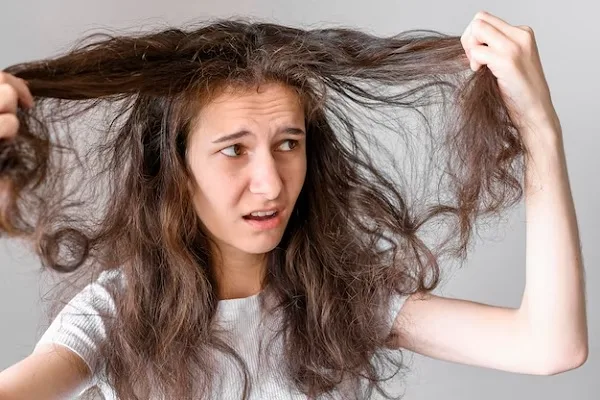
The severity of symptoms can vary based on whether Trichorrhexis nodosa is congenital or acquired. Those with congenital Trichorrhexis nodosa typically experience the condition from a young age, often showing signs early in life. On the other hand, acquired cases may develop later due to external factors like harsh hair treatments, excessive styling, or physical trauma to the hair. These environmental influences can weaken the hair shaft, leading to the development of nodules, breakage, and other associated symptoms.
Treatments for Trichorrhexis Nodosa
Trichorrhexis nodosa can be managed with various strategies that restore hair health and prevent further damage. Addressing the root causes and adopting a comprehensive care plan can restore hair resilience and shine.
Identifying medical conditions
A crucial step in managing trichorrhexis nodosa is identifying any underlying medical conditions or nutritional deficiencies. Consult a healthcare professional to rule out potential causes and create a personalized treatment plan.
Gentle hair care routines
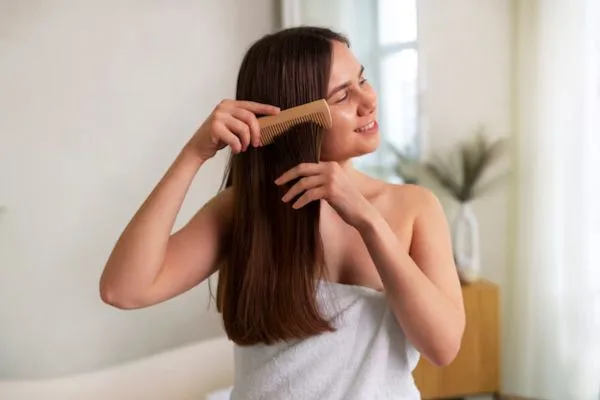
Gentle haircare routines are essential for those affected by environmental factors. Choose sulfate-free, moisturizing shampoos and conditioners that hydrate and protect the hair. Deep-conditioning treatments and hair masks can further replenish moisture and strengthen the hair’s structure.
Heat styling and chemical treatments
To prevent further damage, minimize heat styling and chemical treatments. When styling, use lower heat settings and limit exposure time. Protective hairstyles, such as braids or buns, can reduce mechanical stress on the hair.
Regular trims and treatments
Regular trims help remove damaged ends and promote healthier regrowth. Professional treatments, such as protein-rich therapies or bond-building procedures, can repair the hair’s structure and reduce breakage.
Dietary adjustments
A nutrient-rich diet is vital for hair health. Ensure your meals include protein, biotin, iron, and vitamins A, C, and E. Foods like eggs, nuts, leafy greens, and fatty fish can enhance hair strength and support scalp health.
Promoting scalp circulation
Stimulating scalp circulation can improve hair health. Gentle scalp massages, essential oils, and nourishing serums help deliver crucial nutrients to the hair follicles.
FAQ’s
What is the primary cause of trichorrhexis nodosa?
The primary cause of trichorrhexis nodosa is an imbalance or disruption in the proteins that make up the hair’s cortex. This leads to weakened structural integrity and the formation of swollen, knotty nodes along the hair shaft.
How can I prevent trichorrhexis nodosa?
To prevent trichorrhexis nodosa, use gentle haircare practices. Opt for sulfate-free, moisturizing products, reduce heat styling, and limit chemical treatments. A balanced diet rich in hair-nourishing nutrients can also strengthen the hair’s structure and resilience.
Can trichorrhexis nodosa be treated?
Yes, trichorrhexis nodosa can be treated. Treatment includes addressing underlying medical conditions, adopting nourishing haircare routines, and regular trims to remove damaged ends. Protein-rich treatments or bond-building procedures can also help repair the hair’s structure.
Conclusion
Trichorrhexis nodosa is a common hair disorder that results in hair breakage, nodules, and texture changes, often caused by excessive physical or chemical damage. Both congenital and acquired forms of the condition require different approaches to treatment, but both benefit from gentle hair care routines, dietary adjustments, and addressing any underlying medical conditions. To prevent further damage, it is essential to minimize heat styling and chemical treatments, while focusing on hair strengthening through proper care.
At Capilclinic, we’re trusted by thousands of patients in the UK and Europe as a leading Hair Transplant Clinic in Turkey and Spain, known for our expert doctors, advanced facilities, natural hairline results, and affordable all-inclusive packages. Reach out to our team today to start your transformation.