



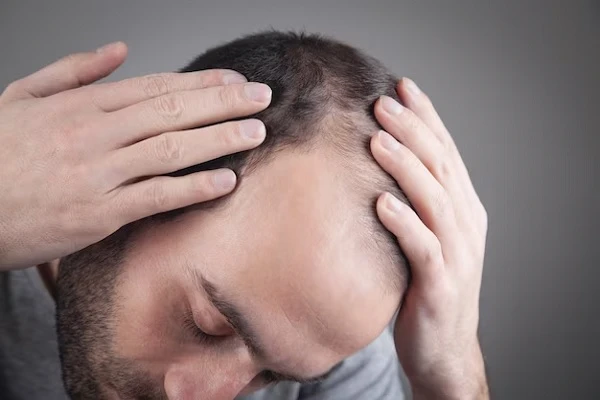
Alopecia areata is a complex condition that manifests due to many factors. Genetic predisposition, observed in roughly 20% of cases, plays a significant role. Additionally, psychological factors such as anxiety and stress contribute to its development. Moreover, it can emerge as a consequence of various underlying diseases, including asthma, allergic rhinitis, dermatitis, thyroid disorders, vitiligo, juvenile diabetes, rheumatoid arthritis, lupus erythematosus, and more.
Research reveals that alopecia areata is associated with an autoimmune mechanism. This intricate process involves the accumulation of lymphocytes around hair follicles. These lymphocytes disrupt the typical hair growth phases, ultimately losing hair. Understanding the multifaceted nature of alopecia areata sheds light on the diverse factors that contribute to its onset and progression.
While affecting nearly 2% of the global population, the manifestation of alopecia areata varies extensively among individuals. Some present with scant and localised patches of hair loss, while others contend with more pervasive bald regions covering a substantial expanse of their scalp. Sporadic cases involve the entirety of the scalp, leading to a condition known as total alopecia areata. In the most severe instances, this extends to universal alopecia areata, resulting in hair loss across the entire body.
Causes of Alopecia Areata
- Genetic Predisposition: One notable factor is genetic predisposition, where certain families are more likely to develop the condition due to genetic markers that influence its manifestation.
- Autoimmune Anomaly: Alopecia Areata is a condition that occurs when the body’s immune system mistakenly attacks the hair follicles, leading to hair loss. This autoimmune response disrupts the normal hair growth cycle, resulting in patchy hair loss. It is believed that genetic, environmental, and immune factors play a role in the development of this condition.
- Environmental Triggers: External elements can act as catalysts for Alopecia Areata. Factors such as viral infections or severe stress may serve as triggers, instigating the onset of the condition in genetically predisposed individuals.
- Hormonal Dynamics: Furthermore, fluctuations in hormonal levels, whether due to puberty, pregnancy, or other physiological changes, can influence the development of Alopecia Areata. Hormonal imbalances may contribute to the aberrant immune response, exacerbating the condition.
By understanding the intricate interplay of genetic, immunological, environmental, and hormonal factors, we gain a comprehensive perspective on the diverse causes of Alopecia Areata.
How to Treat Alopecia Areata
Understanding the patterns of alopecia areata progression has been challenging, but statistical reflections from patients worldwide have provided valuable insights. Around 50% of individuals, particularly those with limited bald patches, experience natural hair regrowth within the first year. This phenomenon occurs spontaneously and independently of any therapeutic intervention.
On the other hand, severe alopecia areata affects fewer than one in ten diagnosed individuals, presenting a more complex management challenge due to heightened resistance to existing treatments. The efficacy of available treatments depends on various factors, such as the extent of hair loss, the patient’s age, and early detection of the condition. These factors contribute to the varying degrees of success observed in applying current therapeutic approaches.
For cases where hair loss affects less than 50% of the scalp, the conventional approach involves direct application or injection of corticoids into the affected area. Additionally, healthcare providers may suggest using Antralines or Minoxidil to address the condition comprehensively.
Conversely, when hair loss exceeds 50% of the scalp, the treatment protocol expands beyond corticoid interventions. Alternative strategies, similar to those used in cases of allergic contact dermatitis, may be employed. These strategies could include applying Difenciprona or using PUVA (psoralens + UVA light) therapy.
Crucially, determining the most effective treatment is a personalised decision made by the healthcare professional after thoroughly examining the specific case. The doctor tailors the approach to the unique characteristics and needs of the individual to decide on the optimal course of action.
Types of Treatments For Alopecia Areata
Diverse treatment modalities are available to address the challenges of alopecia areata, a condition characterised by hair loss. These encompass:
- Topical Treatments: Specially formulated treatments like corticosteroids, minoxidil, and anthralin are applied directly to the scalp to target and alleviate the effects of alopecia areata. These localised treatments work to address the specific symptoms of this condition.
- Intralesional Injections: Corticosteroids, which are a class of steroid hormones, are valued for their potent anti-inflammatory properties. When used as a treatment for hair loss, corticosteroids are administered through injections directly into the affected areas of the scalp, targeting the hair follicles. This precise and targeted approach is designed to stimulate and promote hair regrowth at the follicular level, potentially leading to improved hair density and coverage in the treated areas.
- Phototherapy: This treatment utilises the therapeutic properties of ultraviolet (UV) light by carefully exposing the scalp to controlled doses of UV light. This approach harnesses the beneficial effects of UV light to manage the symptoms of alopecia areata effectively.
- Oral Medications: When taken by mouth, corticosteroids and immunosuppressants work throughout the body. This way, they adjust the immune response and target the root causes of alopecia areata, a condition characterised by hair loss.
- Surgery: This option is reserved for cases of severe alopecia areata. However, this option is typically explored when other treatments prove ineffective. Surgical approaches may involve techniques such as hair transplantation or other procedures tailored to the individual’s specific condition.
By offering a range of treatments, each with its unique mechanism of action, people with alopecia areata can explore options that align with the severity and characteristics of their condition. It is essential to consult with healthcare professionals to determine the most suitable approach for effective management.
Effects of Alopecia Areata Treatments
- Topical Treatments: Applying corticosteroids, minoxidil, and anthralin directly to the scalp may cause localised side effects. These side effects may manifest as skin irritation, dryness, or redness at the application site. It is essential to carefully monitor and address these reactions to ensure the treatment is being administered optimally.
- Intralesional Injections: When corticosteroids are injected directly into affected hair follicles, the patient can experience discomfort or pain at the injection site. Furthermore, there is a potential risk of developing skin atrophy due to this treatment. This underscores the importance of healthcare professionals administering the injections carefully and monitoring the patient diligently to mitigate these possible adverse effects.
- Phototherapy: Exposure to ultraviolet light during phototherapy may cause some patients mild scalp redness or irritation. Monitoring and adjusting the treatment intensity can help mitigate these reactions and ensure the therapy’s effectiveness.
- Oral Medications: Taking corticosteroids or immunosuppressants orally can have systemic effects. These may include weight gain, mood swings, and an increased susceptibility to infections due to the immunosuppressive nature of certain medications. Regular check-ups and communication with healthcare providers are crucial to managing and addressing these potential side effects.
- Surgery: Reserved for severe cases, surgical interventions come with inherent risks. These include the possibility of infection, scarring, and complications related to anaesthesia. A thorough consultation with medical professionals is essential to assess the risk-benefit ratio and make informed decisions about pursuing surgical options for alopecia areata management.
Factors to Weigh When Selecting a Treatment For Alopecia Areata
In the process of selecting a suitable treatment for alopecia areata, it’s crucial to consider several nuanced factors to ensure an informed decision:
Severity Assessment
Assess the degree and intensity of hair loss to establish the proper level of response. Customise the treatment strategy based on the particular requirements indicated by the seriousness of the situation.
Application Preferences
Consider the individual’s preferences when deciding on the treatment application method. It is crucial to take into account whether the patient prefers topical solutions, intralesional injections, or oral medications. Aligning the treatment method with the patient’s comfort and convenience can significantly impact their adherence to the treatment plan and overall outcomes.
Medical History Scrutiny
When assessing a patient, it is essential to thoroughly examine their medical history to identify any pre-existing conditions or medications they are currently taking. This careful examination is vital to prevent any potential conflicts between the recommended treatment and other ongoing medical factors.
Lifestyle Alignment
Evaluate how the treatment aligns with the patient’s daily routines and activities. This includes considerations such as the time required for application or any lifestyle adjustments the treatment necessitates.
Side Effects Awareness
It is essential to thoroughly understand and consider the potential side effects that may be associated with each available treatment option. It is crucial to weigh the anticipated benefits against the possible adverse reactions carefully. This way, doctors will ensure that the chosen treatment aligns with the patient’s ability to tolerate it and their expectations for the outcome.
Financial Considerations
Thoroughly evaluate the financial implications of the treatment plan. This includes a comprehensive analysis of the long-term affordability of the treatment, as well as an in-depth exploration of available insurance coverage and potential assistance programs aimed at alleviating the financial strain associated with the treatment costs.
Professional Consultation
Seek advice from healthcare professionals to customise the treatment plan according to the patient’s individual needs and circumstances. A thorough consultation helps understand the nuances of the condition and tailor the approach accordingly.
Patient Compliance
Choose a treatment plan that the patient can realistically adhere to. Consider the patient’s lifestyle, commitments, and preferences to enhance compliance and optimise the chosen treatment’s effectiveness.
Long-Term Goals Alignment
Align the selected treatment with the patient’s long-term hair restoration goals. Consider the immediate effects, sustainability, and long-term benefits of the chosen intervention.
Monitoring and Adjustment
Establish a plan for regular monitoring of the treatment’s effectiveness over time. Be prepared to make adjustments based on the patient’s response, ensuring a dynamic and responsive approach to managing alopecia areata. Regular follow-ups facilitate ongoing assessment and refinement of the treatment plan as needed.