



Most people with hair loss are unhappy with their hairstylist after the condition has occurred. That is why we bring you tips for cutting hair after a hair transplant that will satisfy you. The good news is that a hair transplant may be able to help with these kinds of problems. When you get your natural hair back after a capillary implant, you can return to your hair routine.
One frequently asked question about the treatments that come after a hair restoration is when the patient should get the first haircut after the procedure. Therefore, now is the moment to educate yourself on all there is to understand about cutting hair after a hair transplant!
How do I wash my hair after a hair transplant?

In order to achieve the most remarkable results, you must practice extreme caution for a period of time. Therefore, you should strictly follow the aftercare recommendations before you start wondering when you are cutting hair after a hair transplant.
The first thing to remember is that even washing your hair needs to be done with care. This is because the surgery takes so long for the grafts to fully integrate. You will need to have additional scalp care. After ten days, the transplanted follicles will be in a stable place.
It is in your best interest to wait until they have fully recovered. At this point, the scalp should be free of scarring and scabs. During the first month, you should wash your hair with the recommended shampoo. And you need to be especially careful not to irritate your scalp.
After washing your hair, try gently patting it dry with a towel instead of drying it with a hair dryer. You will see that the hair you had before the hair transplant will start to grow again after some time. Your natural hair growth will be noticeably faster than the growth of the transplanted hair.
If you don’t like the way your hair looks due to the uneven growth rate of the individual strands, you may now have them cut.
When should I start cutting after a hair transplant?

After the first two months, your transplanted hair will start growing. At first, this new hair will look noticeably thinner than your existing hair. However, once it becomes established, it will resist loss and remain for a long time. Be aware that you might experience “Shock Hair Loss,” where the new hair falls out quickly. After this, regrowth usually appears denser and thicker.
Consult your physician to determine when you can have your first haircut after the transplant. Once your hair returns after the shock period, if you want to style it, use scissors to trim it during the initial stages. As noted earlier, the transplanted grafts remain vulnerable and can be easily damaged, so style carefully.
Should I use a shaving machine to cut my transplanted hair?
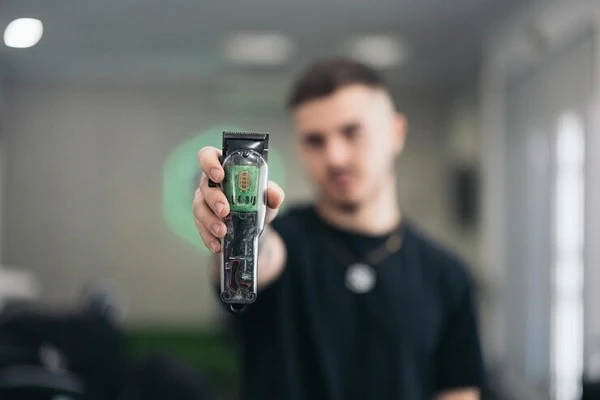
Using a shaver to cut hair can damage implanted hair follicles even after they have been sealed and secured. Unlike scissors, a shaver removes hair at close range, increasing the risk to the follicles. Hold the trimmer close to the skin to minimize the risk. Wait the recommended six months before using a razor for a completely risk-free haircut after a hair transplant.
Scissors vs. Clippers: which and when to use them
Choosing scissors and clippers can significantly impact the health and appearance of the new growth. Understanding how each tool interacts with the transplanted hair and knowing the ideal timeline for each is essential for protecting the grafts and achieving optimal results.
Differences in impact on transplanted hair
- Scissors: Scissors are generally gentler on transplanted hair because they allow for precise, controlled cuts without disturbing the hair follicles. Since scissors are cut slightly from the scalp, they reduce the risk of pulling or damaging the fragile grafts. This makes them ideal for early trims, as they don’t disrupt the sensitive areas still healing after surgery.
- Clippers: Clippers, especially when used close to the scalp, can be harsher on newly transplanted follicles. Clippers trim hair at the root, which can tug on or irritate the implanted grafts, potentially harming them if used too soon. Clippers also require pressure against the scalp, which may interfere with the healing grafts and cause unnecessary stress to the hairline.
Suggested timeline
- Scissors (First 6 Months): It’s generally recommended to use only scissors during the first six months post-transplant. Since the grafts are still integrating into the scalp during this period, scissors provide a safer way to manage hair growth without causing follicular trauma.
- Clippers (After 6 Months): After six months, the grafts are typically secure enough to handle the closer, more direct cut that clippers provide. By this time, the follicles are likely settled and less vulnerable, allowing for a closer, uniform trim if desired. However, consult your doctor before using clippers to ensure your scalp is ready for this type of haircut.
Best 3 ideas for Haircuts after a hair transplant
Hair restoration can help you look younger and more stylish. One popular method, called follicular unit extraction, involves taking hair follicles from other parts of the body and transplanting them to the scalp.
Remember that it is important to have reasonable expectations for the results, as the transplanted hair may differ in texture and growth rate from your existing hair. Here are some hairstyles that look great after a hair transplant:
1. Short cropped fringe
A small amount of mousse could go far after having a hair transplant because it will create fullness and volume in the areas that need it the most. You won’t be allowed to utilize styling products for around two weeks following your transplant, but eventually, you will be able to.
You can create a fashionable appearance that is appropriate after a hair transplant by leaving the sides of your hair short and cutting your bangs to a length slightly below the hairline. Additionally, it is simple to clean and maintain. After working some mousse into your palms, give the longer hair on the top and crown a few light tumbling motions with your fingers.
2. Textured curly
This hairstyle is incredibly easy to maintain while offering a flattering effect for a wide range of facial shapes. To enhance the natural look of a hair transplant, consider creating a gently faded style on the sides paired with a tousled, carefree appearance on top.
Utilizing specific styling products will help achieve and preserve that textured look, ensuring your hair stays effortlessly stylish throughout the day. With just a few spritzes, you’ll be all set to showcase your vibrant, full-bodied hair.
3. The Caesar
This hairstyle, inspired by the iconic look of the famous Roman emperor, is an excellent choice for men seeking a refined and stylish option while undergoing hair restoration. It is particularly suitable for those who prefer to focus on the top of their heads, as the style helps create a rounder hairline that adds to the overall aesthetic.
The sharp, clean lines of this cut work well to accentuate facial features, it’s a flexible choice suitable for various face shapes. Additionally, this hairstyle exudes confidence and sophistication, allowing wearers to embrace their new look with pride.
Faq’s
When can I get my first haircut after a hair transplant?
After undergoing a hair transplant, it’s crucial to give your scalp the proper time to heal and ensure that the transplanted follicles become securely embedded. For a basic trim, waiting at least two to three weeks is advisable. This allows your scalp to recover adequately from the procedure. If you’re planning on more intricate hairstyles, such as significant cuts or the use of clippers, it’s best to wait around six months.
Why should I avoid cutting hair too soon after a transplant?
Getting a haircut too soon after a hair transplant can disrupt the healing process and harm the newly implanted follicles. It’s important to allow ample time for these delicate follicles to fully integrate into the scalp and establish a strong foundation for healthy growth. Waiting patiently helps ensure that the follicles are securely embedded, minimizing the risk of damage and promoting optimal recovery.
How will my new hair blend with existing hair after a transplant?
At first, the transplanted hair might exhibit a slight variation in texture or thickness compared to your natural hair. However, as it continues to grow, it will gradually integrate and blend seamlessly into your existing hair. To achieve a harmonious and balanced appearance, it’s essential to work with a skilled stylist who can tailor the look to your preferences.
Conclusion
achieving a satisfying look after a hair transplant involves patience, proper care, and informed styling choices. Following your surgeon’s guidance on when and how to handle your new hair is essential for the best results. While it may take time for your transplanted hair to integrate and start growing naturally fully, you’ll soon be able to style it in ways that enhance your new appearance.
Whether opting for a short cropped fringe, textured curls, or a Caesar cut, each style offers a unique approach to embracing and showcasing your renewed hair. With time and care, your hair transplant journey can lead to a fuller look that boosts your confidence and allows you to enjoy various styling possibilities.