



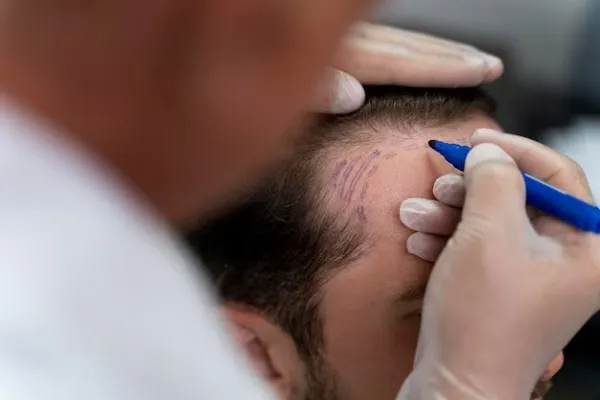
After surgery, using prescribed medication reduces swelling and infection risk. Clinics offering the best hair transplant London services emphasize avoiding intense exercise too soon, as it may damage the grafts. Committing to professional guidance and rest during recovery ensures optimal outcomes. The tips after hair transplant—from medication timing to activity restrictions—are crucial for lasting success. With the right care and informed decisions, patients can achieve natural, fuller hair and renewed confidence.
Tips after hair transplant: Post-operative care
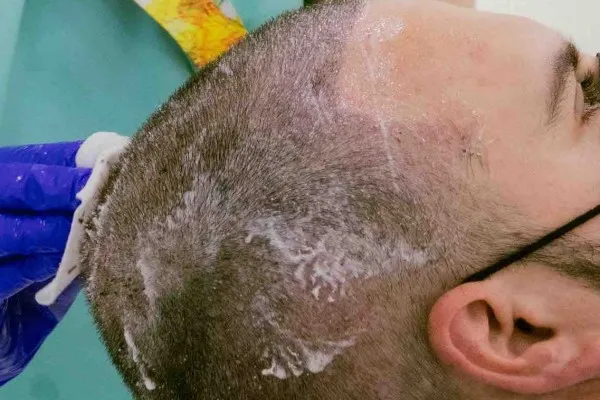
Tips after hair transplant procedures are essential to ensure a smooth and successful recovery. Following the right aftercare routine helps you get optimal results. This guide offers comprehensive advice to help you maintain the health of your new grafts and avoid complications.
1- Strict adherence to your surgeon’s post-op instructions
After your hair transplant procedure, following the post-operative instructions provided by your surgeon is one of the most important tips after hair transplant to ensure the best outcome. These personalised guidelines are designed to support your healing process and optimise hair growth after surgery. Understanding how does a hair transplant work can help you appreciate why careful compliance is crucial for recovery.
These instructions cover everything from caring for the transplanted scalp to timing your return to normal activities and booking follow-up consultations. Consistent adherence to these recommendations forms the foundation of a successful transplant and long-lasting results.
2- Avoid vigorous activities and heavy lifting
During the recovery period after your hair transplant, it is essential to avoid strenuous activities and lifting heavy weights. Such physical exertion may put unnecessary pressure on the scalp and risk damaging the delicate transplanted follicles. Your surgeon will advise you on when it is safe to resume exercise and more demanding tasks based on your individual healing progress.
Taking a cautious approach reduces complications and promotes better graft survival. Resting appropriately supports the delicate new hair and allows your scalp to heal without interruption, which ultimately contributes to the success of your transplant.
3- Prudent care and maintenance of the transplanted area
Maintaining excellent hygiene and carefully tending to the transplanted area is vital for optimal recovery. Your surgeon will provide clear instructions on how to clean the scalp safely and might suggest specific shampoos or products to use. Avoiding scratching or picking at the transplanted grafts is essential, as it can damage them and delay growth.
Gentle care and attention to the scalp protect the new follicles and encourage strong, healthy hair development. Taking these steps seriously will help you achieve the full benefits of your hair transplant and maintain your results over time.
4- Adherence to prescribed medications
Following your hair transplant, managing discomfort and preventing infection are crucial. Your surgeon may prescribe pain relievers, anti-inflammatory drugs, or antibiotics. Strict adherence to your surgeon’s medication instructions is essential to support proper healing and avoid complications.
If you experience any unexpected side effects or have questions about your medication, promptly contact your surgeon for professional advice and clarification. These tips after hair transplant ensure a smooth recovery and help safeguard the success of your procedure.
5- Commitment to follow-up appointments
Successful hair transplant results depend not only on the surgery but also on diligent aftercare. Scheduling and attending all post-operative appointments as advised by your surgeon is vital. These follow-ups allow your surgeon to monitor your healing progress and transplanted hair growth closely.
Missing appointments may delay the detection of potential issues, affecting your final outcome. During each session, maintain clear and honest communication about your condition and any concerns. This ongoing engagement helps your surgeon adjust your care plan if necessary, ensuring the best possible results and satisfaction. Following these tips after hair transplant is key to achieving healthy, lasting hair restoration.
What to do before a hair transplant?
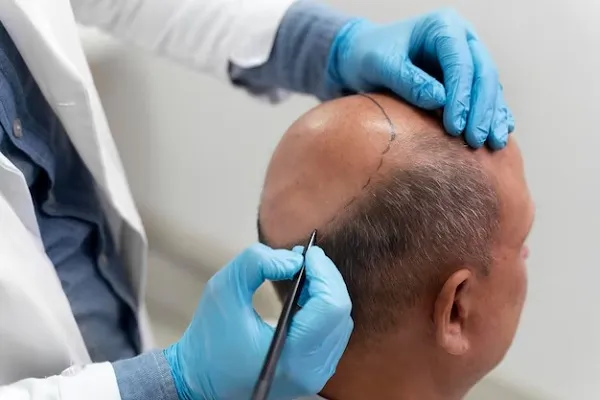
1- A pre-procedure consultation
Before beginning your hair transplant journey, it is crucial to schedule a thorough consultation with your chosen surgeon. This consultation is the foundation for a successful outcome, allowing you to openly discuss your personal goals and expectations. It also provides a chance to address any concerns or fears you may have. Establishing transparency and trust with your surgeon during this meeting is essential.
Additionally, be sure to disclose any existing medical conditions or medications you are taking. This information enables your surgeon to determine your suitability for the procedure and to tailor the approach specifically for you. If you are considering the best hair transplant London offers, this personalised assessment is especially important to ensure optimal results.
2- Medication and alcohol considerations
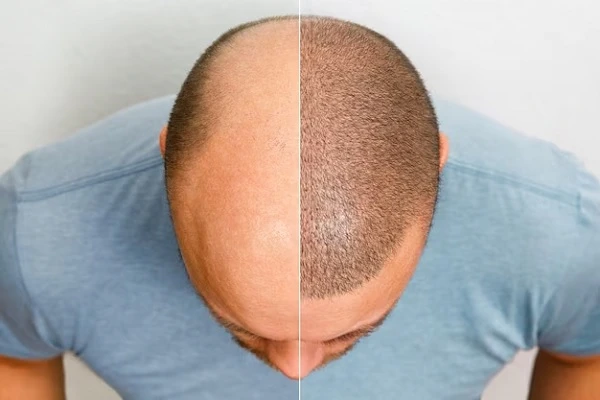
It is vital to follow your surgeon’s instructions regarding medications and alcohol consumption in the weeks before your hair transplant. Certain medications and alcohol can thin your blood, increasing the risk of bleeding during the procedure if not managed correctly. Your surgeon will provide a precise list of medications to avoid and recommend how long to abstain before surgery.
Adhering to these guidelines helps guarantee your procedure is safe and effective, reducing complications. By carefully preparing in this way, you support the best possible healing environment for your transplant.
3- Kicking the smoking habit
Smoking negatively affects the success of a hair transplant by impairing blood flow and oxygen delivery to the scalp. To maximise your chances of a successful outcome, it is highly advisable to stop smoking well before your surgery. Your surgeon can offer personalised support and advice to help you quit.
They may suggest strategies, resources, or adjustments to your treatment timeline to make quitting more manageable. Stopping smoking early improves scalp health and boosts graft survival, which is key for excellent transplant results.
4- Optimal nutrition and hydration
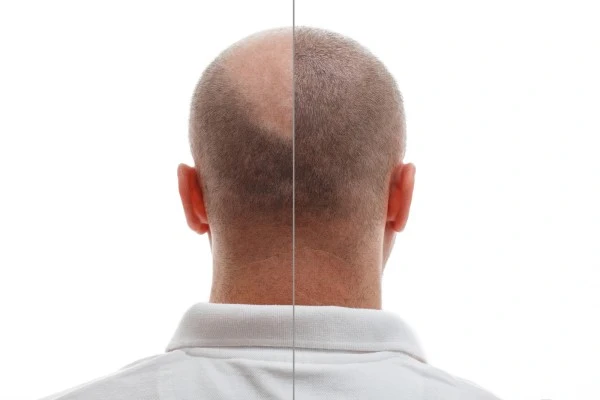
For an enhanced healing process and overall well-being, paying close attention to your diet and hydration is crucial in the pre-operative period. A nutritionally balanced diet, rich in essential vitamins and minerals, supports your body’s ability to recover and regenerate effectively after the procedure. Adequate hydration plays a vital role, as water facilitates your body’s natural recuperation and helps reduce swelling. In the weeks leading up to your hair transplant, consider increasing your intake of fruits and vegetables that are packed with antioxidants and other necessary nutrients.
Moreover, staying well-hydrated by consuming an ample amount of water will contribute to the optimal conditions for healing and recovery. Your surgeon may provide detailed dietary recommendations tailored to your specific needs, ensuring you are fully prepared for the procedure. Following these tips after hair transplant is key to achieving the best results and avoiding complications.
5- Preparing for your hair transplant day
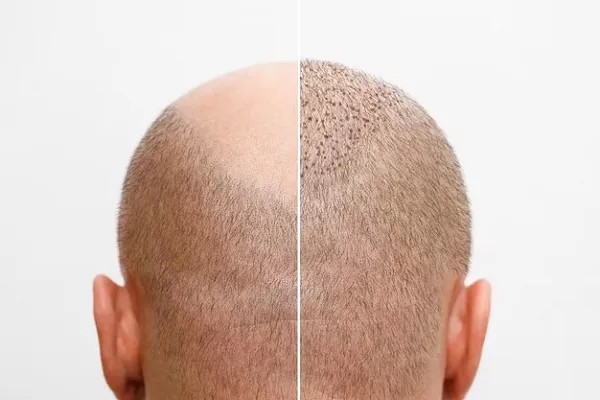
Getting ready for your hair transplant requires thorough planning, especially when it comes to transportation and personal preparation. Having a clear plan in place can make the day much less stressful and ensure you are comfortable throughout the process. Whether you are undergoing a FUE hair transplant or another technique, preparation helps maximise the success of your treatment.
Be sure to follow all pre-surgery instructions from your medical team carefully. This might include avoiding alcohol or certain medications and wearing comfortable clothing. Preparation is fundamental to both your safety and the overall success of your hair transplant.
6- Transportation arrangements
It is crucial to secure reliable transportation to and from the clinic or surgical centre on the day of your hair transplant. The procedure can last several hours, and the effects of anesthesia or sedation may impair your ability to drive safely afterwards. Having a trustworthy friend or family member available to provide transportation ensures your personal safety and peace of mind. This allows you to focus fully on the procedure without worrying about logistics or travel.
Remember that arranging transport in advance is part of the essential tips after a hair transplant that every patient should follow. This simple step can prevent unnecessary stress and improve your overall experience on the day.
7- Hair preparation
On the day of your hair transplant surgery, it is crucial that your hair is not only clean but also completely free from any hair styling products. Clean hair provides an ideal canvas for the transplant team, allowing for precise graft placement and maintaining a hygienic surgical environment. This careful preparation reduces the risk of infection and improves the effectiveness of the procedure.
Avoid using gels, sprays, or conditioners on the day, and wash your hair with a mild shampoo as directed by your surgeon. Clean, product-free hair helps the medical team work efficiently, which is especially important during the hair transplant, where precision is key to natural-looking results.
8- Dietary considerations
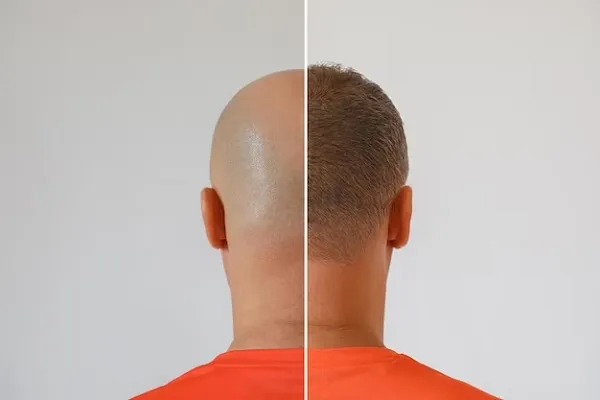
On the day of your hair transplant, it is advisable to have a light breakfast, but avoid any caffeinated products as caffeine may interfere with the surgical process. Staying well-nourished beforehand helps maintain your energy levels throughout the day, ensuring you feel comfortable and ready for the procedure. Proper nutrition plays a crucial role in supporting your body during the transplant.
In addition, drinking plenty of water in the hours before your surgery can aid hydration, which benefits your overall health during the operation. Avoid heavy or greasy meals that could cause discomfort or affect your recovery. Hydration and a balanced pre-surgery diet enhance your body’s ability to heal post-transplant.
9- Dressing for comfort
Before arriving at the medical facility, choose clothing that offers maximum comfort. Opt for loose-fitting garments that do not irritate the scalp or restrict movement during the procedure. Wearing appropriate clothing helps make the surgical process smoother and more efficient. Comfortable attire not only improves your overall experience but also allows medical staff easier access to donor and recipient areas.
Additionally, consider clothes that are easy to remove without touching your head or hair. This small detail can prevent unnecessary disturbance to the transplant area and contribute to a safer, less stressful experience. Simple, practical dressing choices protect your new grafts during the critical initial phase.
10- Medication disclosure
Your honest communication with your surgeon ensures a safer and more effective hair transplant. Disclose all medications you are currently taking to the medical team before the transplant. This information allows the surgeon to assess any possible interactions or risks during the procedure. Full transparency about your medical history and medication usage greatly contributes to the success of the surgery.
Moreover, if you are concerned about hair transplant expenses, sharing your medication details may influence treatment planning and aftercare costs. This step helps avoid unexpected complications that could increase expenses later. Clear medication disclosure helps optimise your treatment plan and manage overall costs.
Conclusion
Tips after hair transplant are essential for achieving optimal results and ensuring a smooth recovery process. Following the right post-operative care can make a significant difference in the growth and appearance of your transplanted hair. From sleeping in an elevated position to avoiding sun exposure, every small step plays a part in protecting the newly implanted grafts.
Being consistent with your aftercare routine not only prevents complications but also promotes natural-looking hair growth. Patience is key, as results take time to fully develop. It’s also important to follow your surgeon’s specific instructions. Each case can vary based on the technique used and your scalp’s condition.
Maintaining a healthy lifestyle contributes to the success of the procedure. Eating well, avoiding stress, and staying hydrated can all support hair growth and recovery. It’s equally crucial to avoid activities that may harm the grafts, such as intense exercise or wearing tight hats too soon after surgery.
Tips after hair transplant should not be overlooked if you want long-lasting and satisfying results. If you’re considering a hair transplant and want expert care every step of the way, visit Capilclinic and explore how our experienced medical team can help you restore your confidence with advanced hair restoration treatments.
At Capilclinic, we’re trusted by thousands of patients in the UK and Europe as a leading Hair Transplant Clinic in Turkey and Spain, known for our expert doctors, advanced facilities, natural hairline results, and affordable all-inclusive packages. Reach out to our team today to start your transformation.