



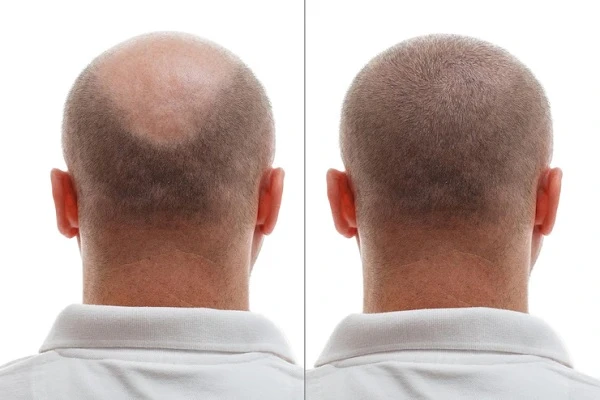
Undergoing hair transplantation can be a life-changing experience that promises a fuller and more confident appearance. However, the journey does not end with the procedure itself. The postoperative period is a critical time that can make all the difference in ensuring a successful recovery and integration.
In this complete guide, we’ll explore the essential steps for successfully managing life after a hair transplant. At CapilClinic, we want you to have the best attention and information about this process. That’s why we will provide you with expert insight and practical advice to help you thrive in this new chapter of your life after hair
Do’s and don’ts after a hair transplant
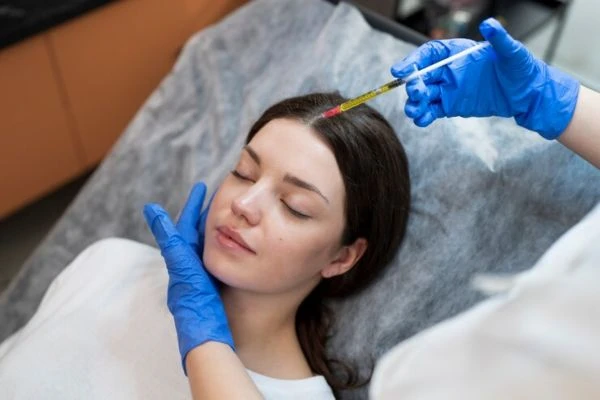
If you are considering a hair transplant, it is important to know what to do and what not to do during the critical weeks following the procedure. Proper scalp care during the healing process will help maximize results and ensure that the new hair grows well. Here are some essential things to keep in mind as your scalp heals after a hair transplant.
Do’s after a hair transplant
After a hair transplant procedure, keeping the donor and recipient areas clean is crucial to promote healing and prevent infection. Your surgeon will provide specific instructions on how to wash your scalp, but some general guidelines include:
- Gently cleanse the scalp with mild, fragrance-free shampoo and lukewarm water, being careful not to scrub or rub the treated areas.
- Use your fingertips to lightly massage the shampoo into the scalp, avoiding any vigorous movements.
- Rinse the shampoo thoroughly to remove all residue.
- Gently pat the scalp dry with a soft, clean towel. Remember to be careful not to rub or disrupt the transplanted hair grafts, as you were taking care of a brand new tattoo.
- Apply any ointments, creams, or dressings to the treated areas as specified.
- Changing dressings or bandages according to the recommended schedule.
- Reporting any adverse reactions or concerns to your healthcare provider promptly.
- Sleep on your back to prevent any side-sleeping pressure on the transplanted areas.
Don’ts after a hair transplant
You need to avoid certain activities in the initial period after a hair transplant. If you ignore the following “don’ts,” you run the risk of disturbing the fragile grafts and possibly causing poor results or slow regrowth.
- Avoid activities that could potentially cause bumps or impacts to the head, such as contact sports or vigorous exercise.
- Refrain from scratching, picking, or touching the treated areas.
- Do not wear tight or thick hats, as they will apply pressure and rub against the scalp.
- Avoid using towels or cotton instead of paper napkins when drying your hair.
- Do not swim or submerge your head in water for at least 2 weeks as this can spread bacteria or dislodge the grafts.
- Do not expose the scalp to direct sunlight for 4-6 weeks, as UV rays can cause additional irritation during healing.
- Stop using styling products such as gel, mousse, or dry shampoo near the transplanted areas for 1-2 months to allow the grafts to heal.
- Avoid taking aspirin or ibuprofen, which can thin the blood and increase the risk of bleeding during the early healing period.
The first weeks after a hair transplant

First of all, do not itch the transplanted region or contact it in any other way for the first three days after the procedure. You mustn’t touch your head under any circumstances, if possible. The first three days are highly significant, and you must exercise caution throughout this time because even the slightest amount of friction might cause the delicate grafts to get dislodged and fall out of their recipients.
The third day after your hair transplant is when you will begin shampooing your new hair. You can wash your body merely to avoid immersion. After waiting twenty minutes with the lotion on the transplanted area, lather up some shampoo, then rinse your head in warm water. After surgery, the areas with hair follicles transplanted may experience irritation and itching. If it does, contact your doctor.
How do you know if a hair transplant is working?
As the initial recovery phase passes, you will begin to witness the gradual transformation of your hair. It’s important to be patient and trust the process. Hair growth after a transplant can be a slow but rewarding journey. During this time, you can expect a gradual hair regrowth. The transplanted hair will start to take root and grow, typically over the course of several months.
In terms of maintenance and care, you must continue to follow your surgeon’s recommendations for scalp care and any prescribed treatments. After a couple of months, you will embrace the scalp changes. Now, all that remains is to wait for it to grow, and, of course, let’s celebrate the success of hair growth! Oh, and you’ll indeed feel more confident about your appearance, you’ll see!
Tips to follow after a hair transplant
Now that you understand the important “do’s” and “don’ts” during the crucial weeks after surgery, look at some additional tips and recommendations to optimize your hair transplant results. Let’s help your scalp heal and make sure your new hair looks as natural as possible.
Diet, rest, and daily routines
For the first week of your operation, you must lie on your back while utilizing a neck cushion. In fact, it would be best to lie in a semi-recumbent or supine position while using a pillow to elevate your head. Avoid burying your head in the pillow.
For the first three days of the cleanse, avoid salty foods like pickles, olives, cheese, and chips. For the next seven days, refrain from drinking alcohol, smoking cigarettes, using hookahs, and avoiding all forms of tobacco.
Clothes after a hair transplant
During the first three days after the transplant, you should not touch the treated region, wear a helmet, or have any other contact with it. You can only wear garments with front buttons so they don’t touch the recipient region. As soon as your first wash is complete, you can wear the headband provided by the clinic underneath the hat.
After seven days, you can start wearing your sports caps; after ten days, you can switch to beret hoods; and after thirty days, you can wear helmets. During the first ten days, take extra precautions in areas with low ceilings. When getting into or out of an automobile, be careful not to accidentally rub your heads against each other.
Contact with water
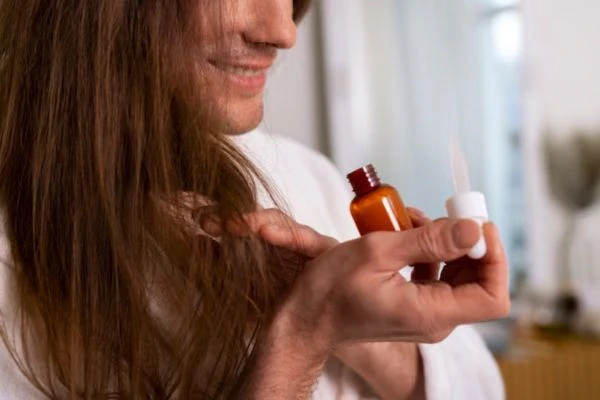
For the next 15 days after a hair transplant, you should limit your bathing to using warm water. You should wait 15 days before using the sauna, hot shower, or hammam. Also, you are to refrain from using the pool for the following 30 days.
Physical activities
There must be no sexual contact for the first three days. You should not lean forward, bend, or participate in sports for five days. For the next week, try to avoid lifting anything too heavy and doing anything that will make you sweat. When you sweat, dab the area with some paper towels.
Please do not attempt to force it, such as pushing it or drying it with force, and do not use anything besides paper napkins. Within ten days, you should be able to engage in modest physical activity; after 15 days, you should be able to engage in more strenuous pursuits. You must wait ninety days before participating in contact sports like kickboxing or football.
Hairstyle
After ten days, you can trim the sides of your hair with scissors. However, you must wait at least three months before using a blow dryer or coloring your hair. Once the three months have passed, you can use products such as wax, hair gel, topical, pomade, and spray.
However, apply products to the hair and ensure it does not contact the scalp. After using any of these items, you should wash your head well before going to bed. After three months since the surgery, you can use a shaver device or a razor. Do not put on wigs, prosthetics, or anything else.
Treatments after hair transplant
After the surgery, the doctor will give you several tips on how to take care of your hair. In addition, he/she will most likely recommend different products to help your scalp heal after the hair transplant.
A tablet with multivitamins for hair is specially created to fortify the follicles and prevent hair loss in both males and females. Also, you can use a clinical shampoo, as it allows for the careful washing of the surgical area after the initial washing following the hair transplant.

After one month, you can begin using herbal products to strengthen and protect both your natural hair and the hair that was transplanted by enhancing the general quality of your hair. This action will also help the transplant operation be more successful.
Due to its high concentration of active herbal elements, it nurtures the hair follicle, promotes blood circulation, and allows hair to grow. Finally, these products also benefit the scalp of patients undergoing hair transplantation.
Faq’s
How long does it take for the transplanted hair to start growing?
The transplanted hair typically begins to grow within 3-4 months after the procedure, with full results visible within 12-18 months.
Will the transplanted hair continue to grow naturally?
Yes, the transplanted hair will continue to grow naturally, just like the hair in the donor area. Regular haircuts and styling can be done as usual.
Can I color or style my hair after a transplant?
It’s generally recommended to wait at least 6 months before coloring or using heat styling tools on the transplanted hair, to allow for proper healing and integration.
Conclusion
The journey after hair transplantation requires patience, care, and adherence to specific guidelines to ensure optimal results. While the procedure itself is an important step in achieving a fuller head of hair, the post-transplant period is equally critical to the success of the process. If you follow the recommended dos and don’ts, you can significantly increase your chances of a successful recovery and long-lasting hair growth. With time, dedication, and the right approach, the results will not only improve your appearance, but also boost your self-esteem. It will open a new chapter of confidence and satisfaction.