



When you’ve suffered a specific hair loss condition for a long time and finally find a reputable solution, you may be anxious about when you’ll see visible results. While this feeling is universal amongst people who have undergone regenerative hair treatments, it’s important to state that no matter how anxious and impatient you get, you won’t see results until the projected procedure time you’ve chosen. More importantly, you can’t use other people’s time frames to determine yours. One of the most popular hair procedures today is PRP treatment, and in this article, we will talk about the time to expect results after the treatment of hair loss.
The underlying cause of this anxiety and impatience is people’s lack of knowledge about the procedure they are having. A pre-operative consultation is good, but it’s not enough to learn all the basics, so you must do your research. If you’ve done this, you’ll have discovered the time to expect and the quality of results. Going forward, if PRP treatment is the regenerative treatment you’re opting for and you’re interested in learning one or two things about it, the information on this page is sufficient. You’ll also find out the time to expect results and the number of sessions that’ll provide such results.
When is the time to expect results after PRP Treatment for hair loss?
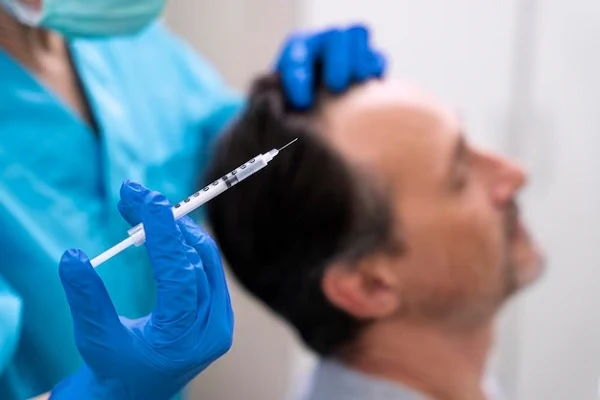
One of the most frequently asked questions by individuals considering or who have recently undergone Platelet-Rich Plasma (PRP) treatment is about the timeline for seeing results. Regardless of whether you are contemplating the procedure or have already experienced it, you can generally expect to notice significant improvements starting around the three-month mark. While some individuals may begin to see results as late as six months post-treatment, there is a strong indication that progress will be evident at some point within that timeframe.
In the initial weeks following your treatment, particularly around the third and fourth week, you might observe subtle signs of hair growth in the areas where the PRP was injected. These early developments serve as a positive indication of the treatment’s effectiveness.
To maximize the benefits of PRP therapy, it’s recommended to schedule follow-up sessions approximately every five months. These sessions are crucial for a thorough clinical evaluation of your hair growth progress, allowing healthcare professionals to assess whether your results are unfolding as expected or if any additional interventions may be necessary to enhance your outcomes.
Benefits of PRP Treatment for hair loss
As we said before, Platelet-rich plasma actively promotes hair growth for individuals suffering from hair loss. When obtaining PRP, doctors carefully extract the patient’s blood and concentrate the platelets, which powerfully stimulate new hair follicle development.
Simultaneously, PRP’s concentrated growth factors energetically signal nearby blood vessels to form. This organized angiogenesis forms new microcirculatory channels that oxygenate and nourish recovering follicles. These reinvigorated blood vessels deliver vital nutrients to empowerfully reverse miniaturization.
As regeneration commences, structural proteins lay the groundwork for fledgling new follicles. Collagen deposition gradually builds fresh dermal sheaths to house hardy new hair shafts. Estrogen and testosterone work harmoniously to determine each new hair’s characteristics as it ascends toward the scalp. Within a few months, patients may joyously observe dozens of fine vellus hairs transforming into thick terminal hair through PRP’s deft actions.
Can the waiting time be hastened?
It’s more profitable to allow the treatment to take its full course while you wait. But if you want to influence your waiting time for results, it’s possible by using natural means. Some of these means include:
1. Regular cardio exercises
Even if you have done these exercises, you can increase the intensity after PRP treatment. This enhances the production of blood cells, which are useful for hair regeneration, which PRP aims to achieve. So, it means you’re effecting a change from the inside out.
2. Improve hydration
You can’t displace the importance of hydration to overall health. For hair, hydration helps maintain moisture supply, saving it from dryness and eventual breakage. There’s a specific hydrating requirement before and after PRP treatment; you can confirm this from the specialist you choose.
3. Improve your nutrition
The food you eat during the recovery phase after PRP treatment also influences the quality of the results. You can focus on food composed of hair growth nutrients like biotin, protein, vitamins, keratin, and many others.
What is Platelet-Rich Plasma Treatment and how does it work?
Platelet-rich plasma is a cutting-edge medical treatment that utilizes the restorative properties of the patient’s own blood. This innovative therapy has gained increasing popularity in recent years, particularly in the realm of orthopedics, sports medicine, and cosmetic procedures.
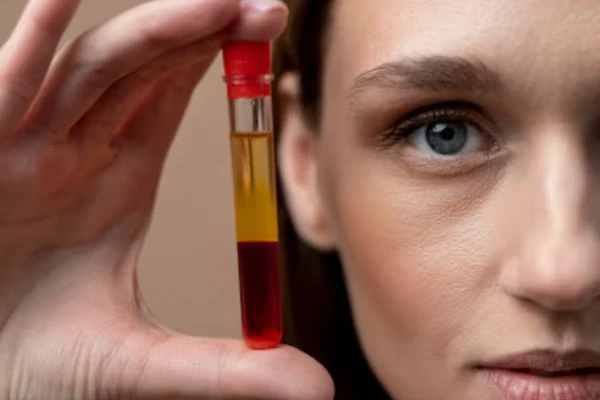
In PRP therapy, the doctor draws a small amount of the patient’s blood and processes it to isolate the platelets and growth factors. These concentrated components promote healing and tissue regeneration. As a result, PRP is commonly used to treat conditions like tendon injuries, arthritis, joint pain, and even for facial rejuvenation.
What makes PRP particularly appealing is that it relies on the body’s own natural healing processes, reducing the risk of allergic reactions or complications associated with synthetic treatments. As research continues to explore its full potential and applications, PRP therapy stands at the forefront of regenerative medicine, as it promise to enhance healing and improve outcomes in various medical fields.
How does PRP Treatment work? Step by step
Creating PRP is straightforward but isn’t something any random person can do. It requires the skills of a trained specialist to execute it in a way that promises the desired results. There are no shortcuts to this because it’s a cosmetic procedure that requires that every detail involved is met. To better understand how PRP treatment works, let’s take a closer look at the step-by-step process:
- Blood draw: The first step involves a simple blood draw from the patient, typically from the arm. The amount of blood drawn will depend on the specific treatment plan and the size of the area being treated.
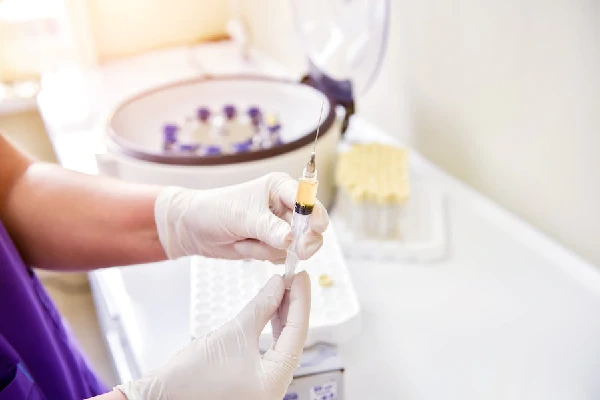
- Blood separation: The drawn blood is then put into a specialized centrifuge machine. This device spins the blood at high speeds, separating the various components, including the red blood cells, white blood cells, and platelets.
- Platelet concentration: The centrifuge process allows the healthcare provider to isolate and concentrate the platelets, which are the key components of the PRP treatment. These platelets are rich in growth factors and other beneficial proteins.
- Platelet-Rich Plasma preparation: The process combines the concentrated platelets with a small amount of the patient’s own plasma to create the platelet-rich plasma (PRP) solution.
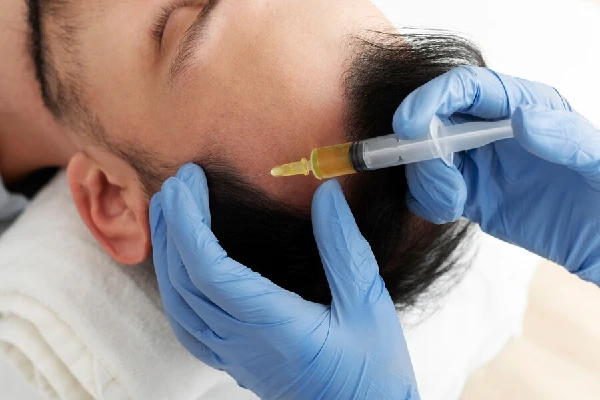
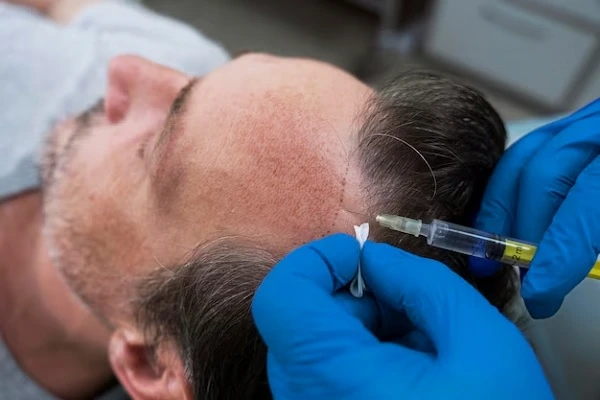
- Injection or application: Depending on the treatment area, the PRP solution is either injected directly into the target site, such as a joint or tendon, or applied topically, as in the case of cosmetic treatments.
- Activation and regeneration: Once the PRP is in place, the growth factors and proteins begin to work their magic. They stimulate the body’s natural healing processes, reducing inflammation and promoting the regeneration of damaged tissue.
- Ongoing healing and recovery: The regenerative effects of PRP continue to unfold over the following weeks and months, as the concentrated platelet-rich plasma amplifies and optimizes the body’s own healing mechanisms.
How many PRP treatment sessions do I need to see results?
PRP treatment, like most hair regenerative procedures, requires multiple sessions to complete. However, determining the exact number of PRP sessions can be more challenging compared to other treatments. The required sessions depend on the severity of the patient’s hair loss.
People with mild hair loss typically need the standard three sessions. On the other hand, those with more severe hair loss may need additional sessions. Regardless of the number of sessions, PRP therapy effectively treats hair loss for about 6 to 9 months.
Faq’s
Who is a good candidate for PRP treatment?
PRP therapy can benefit a wide range of patients, including those with orthopedic injuries, chronic pain conditions, and cosmetic concerns. Healthcare providers evaluate each individual’s specific needs and medical history to determine if PRP is an appropriate treatment option that can stimulate the body’s natural healing processes.
What are the negatives of PRP?
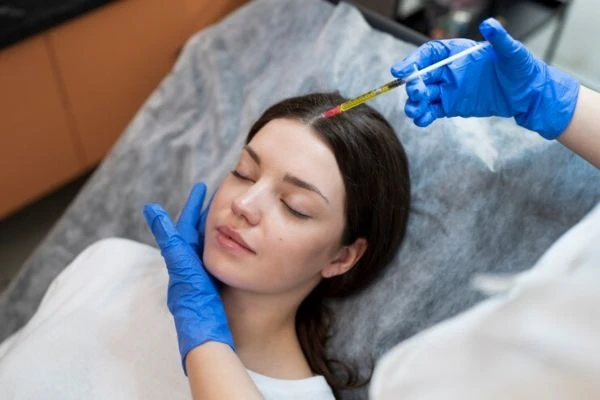
While PRP therapy is generally safe and effective, there are a few downsides to be aware of. The potential negatives of PRP treatment include limited long-term research on its efficacy, variability in treatment composition and outcomes, high out-of-pocket costs that may make it inaccessible for some patients, temporary injection discomfort, and a small risk of adverse reactions, though the benefits often outweigh these factors.
Does PRP actually regrow hair?
PRP therapy has shown promise in treating hair loss and promoting hair regrowth. The growth factors and proteins in concentrated PRP can enhance hair follicle activity and regenerate damaged hair cells. While results vary, some patients do experience increased hair density when using PRP, often in combination with other hair loss treatments.
Conclusion
PRP treatment offers a promising solution for hair loss by harnessing the body’s natural healing properties. This innovative therapy requires patience, as results generally become visible between three to six months after the initial session.
With consistent follow-up and lifestyle adjustments, such as improving nutrition, hydration, and exercise, patients can enhance PRP’s effectiveness. As a non-invasive procedure with regenerative benefits, PRP therapy remains a popular choice for those seeking to address hair thinning and restore hair growth.