




Have you recently noticed changes in the quality of your hair, wondering what could be wrong with it so that its quality and luster have degenerated in a short period of time? While your dermatologist’s diagnosis can go a long way toward determining what is wrong, there is a high probability that you are experiencing hair thinning, a sudden reduction in the overall quality of your hair, affecting its beauty, volume, and length.
It is one of the most common complaints among people who visit hair salons. It is capable of causing some distress, but instead of worrying about it, you should find an effective treatment that will make your hair thicker and fuller again. These treatments may not even require the help of a professional to take full effect. So, if you want to know effective ways to deal with thinning hair, particularly how they will improve the quality of your hair, this post has all the answers. Here, you will find the causes of thinning hair, and after that, you will find ways to improve its quality.
What are the causes of thinning hair?
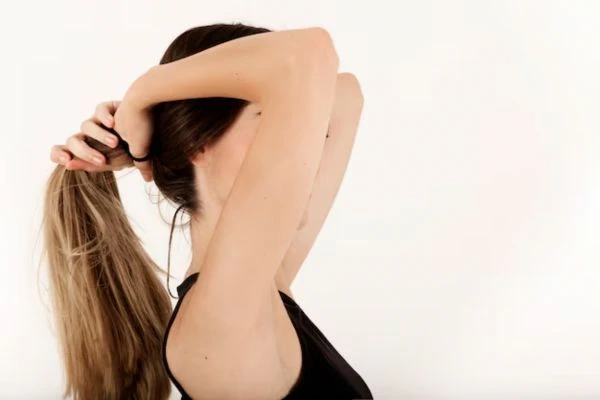
If you are wondering how to fix thinning hair, you are in the right place. At CapilClinic, we want to provide you with the best assistance so that you don’t miss a single detail about hair care. When you notice signs of thinning hair, there is a good chance that any or all of the following cause it:
Heredity or genetics
Thinning hair is a widespread concern, often rooted in genetics. If either of your parents experienced hair loss, it’s likely that you may face a similar fate. This condition, known as androgenetic alopecia, stems from hereditary factors. In men, it typically manifests as a gradual thinning at the front and sides of the scalp, creating a receding hairline or bald patches.
On the other hand, women usually experience thinning at the crown, leading to a widening part and diminished volume. This phenomenon is more commonly referred to as male or female pattern baldness, highlighting its distinct patterns based on gender.
Nutritional deficiencies
While it is a well-known fact that hair is often the last area of the body to receive essential nutrients from our diet, it typically manages to receive enough nourishment to support healthy growth and vitality. However, when the intake of these vital nutrients is compromised, the consequences can be quite detrimental. Hair growth may come to a halt, and the overall health of the hair can significantly decline, leading to noticeable thinning and brittleness.
This decline occurs because hair relies on a consistent supply of critical nutrients, including protein for strength, zinc for tissue repair, biotin for growth, iron for oxygen transport, and essential fatty amino acids for moisture and shine. Without these key components, maintaining lush, resilient hair becomes increasingly challenging.
Health conditions

Various health conditions can significantly impact the density and beauty of your hair. When your body is preoccupied with combating these issues, it often diverts resources away from supporting auxiliary functions, including hair growth.
As a result, if you begin to notice your hair thinning during the course of treatment for a medical condition, or even after completing your treatment, it’s important to recognize that these changes are likely a direct consequence of that underlying health issue. Your body’s focus on healing can inadvertently lead to a temporary decline in hair health, highlighting the intricate connection between wellness and hair vitality.
Childbirth
After childbirth, women undergo a myriad of transformations, both physically and emotionally. These changes are often interconnected, with external shifts mirroring the profound internal alterations happening within. One notable change is hair thinning, a common experience for many new mothers.
Experts clarify that this phenomenon is closely linked to a significant decrease in estrogen levels following delivery, which can lead to noticeable changes in hair density and texture.
Treatments for hard hair
Many individuals treat their hair in ways that overlook its inherent fragility and adaptability. They subject it to high-heat styling tools, engage in aggressive hairstyles that tug at the follicles, and apply chemical dyes and harsh treatments.
These methods, often seen as trendy or fashionable, can actually inflict significant damage. The consequences of such neglect are evident, with thinning hair being a common sign of this harm. Ultimately, these actions do more to undermine hair health than to enhance it.
While all these and more could be the causes of thinning hair, you can always improve the quality of your hair by following these hair care tips.
Tips to improve the quality of thinning hair
If you’re planning your first hair transplant, you should prepare your hair and scalp to get the best results. Strengthening your hair before the procedure builds a solid base for healthy new hair growth. You can improve hair quality by using medications like finasteride and minoxidil, improving nutrition, and more. Let’s explore these steps:
Medication
If a dermatologist diagnoses your thinning hair as androgenetic alopecia, you can treat it with FDA-approved medications like finasteride (oral) and minoxidil (topical). Consistent use of these treatments helps restore your hair’s health.
Good nutrition

Your body prioritizes vital organs when absorbing nutrients, but even a small amount benefits your hair. A healthy diet rich in vitamins and minerals can boost hair growth and prevent thinning.
Avoid aggressive treatments
Chemical and heat treatments weaken hair and contribute to thinning. To improve hair quality, minimize or eliminate these harsh treatments.
Try essential oils
For centuries, people have treasured essential oils like olive oil, rosemary, peppermint, and cedarwood for their potential to improve hair growth and scalp health. Although scientific evidence is somewhat limited, many cultures worldwide rely on these natural remedies.
They attribute various benefits to their consistent use. If you’re curious about trying essential oils, it’s best to start by consulting your stylist. They can offer personalized advice based on your specific hair type and needs. This way, you’ll ensure you’re using the right oils for the best results.
Scalp massage
Giving your scalp a gentle massage on a regular basis can greatly improve blood circulation, helping essential nutrients reach your hair follicles more efficiently. This simple yet effective practice supports the growth of healthier hair and revitalizes the scalp.
The previously mentioned brings a delightful and soothing sensation that can alleviate stress and tension. As you indulge in this calming ritual, you’ll feel the warmth of increased blood flow, energizing both your scalp and hair to promote a vibrant, flourishing look.
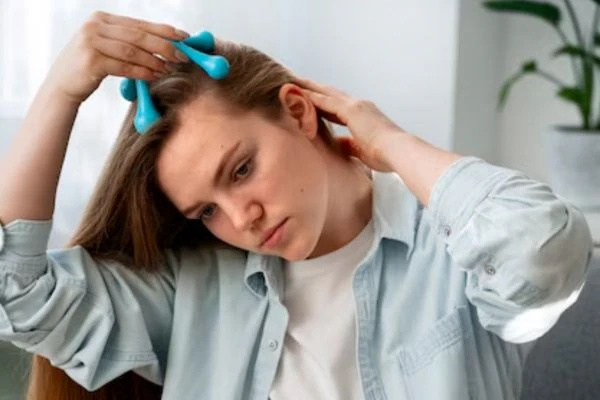
Incorporating essential oils into your massage routine can amplify these benefits as the aromatic oils seep into the scalp, nurturing hair growth and adding an extra layer of relaxation to the experience.
Anti-Thinning shampoo
When selecting a shampoo to combat thinning hair, opt for one specifically formulated for fragile strands. Look for nourishing ingredients that promote strength and resilience. If you find yourself uncertain about which product to choose, don’t hesitate to consult your stylist—they can provide personalized recommendations based on your hair’s unique needs.
10 hairstyles ideas for thinning hair
If you’re experiencing thinning hair, you’re not alone. Millions of people around the world deal with hair loss, and it can be a challenging issue to cope with. However, there are hairstyling techniques you can use to create the illusion of fuller, thicker hair. Here are some tips to help you get started:
- Keep it short: Short hairstyles can be incredibly flattering for those with thinning hair. Shorter layers can create the appearance of volume and fullness, while longer layers can weigh down the hair and make it look even thinner.
- Use texturizing products: Texturizing products like sea salt spray, dry shampoo, and volumizing powder can help to create the appearance of fuller, thicker hair. These products add texture and volume to the hair, making it look more substantial.
- Layer it up: Layering is a great way to add volume and texture to thinning hair. Layers can create the illusion of fullness and make the hair look more dynamic.
- Experiment with bangs: Bangs can be a great way to camouflage thinning hair. Side-swept bangs, in particular, can be incredibly flattering for those with thinning hair. They can help to frame the face and draw attention away from thinning areas.
- Try a root concealer: Root concealers are temporary hair color products that can help to cover up thinning areas. They’re easy to use and can provide instant results.
- Avoid heavy styling products: Heavy styling products like gel and mousse can weigh down the hair and make it look even thinner. Opt for lighter, volumizing products instead.
- Use a hair-thickening shampoo. Hair thickening shampoos contain ingredients that can help plump up the hair shaft and make it look thicker.
- Consider a haircut with a fringe: A fringe can be a great way to add volume and texture to thinning hair. A haircut with a fringe can help to frame the face and draw attention away from thinning areas.
- Don’t over-style: Over-styling can damage the hair and make it look even thinner. Try to avoid using heat-styling tools every day and opt for air-drying or diffusing instead.
Faq’s
Can thinning hair be reversed?

While genetic thinning cannot be entirely reversed, its appearance can be improved with treatments like minoxidil, proper nutrition, and gentle care. Other causes of thinning may be reversible with appropriate lifestyle changes or treatments.
Are there effective treatments for thinning hair?
Yes, several treatments can slow thinning and enhance hair thickness. Options include topical treatments like minoxidil, oral medications, essential oils, scalp massages, and specific hair-thickening shampoos. Consulting with a dermatologist is recommended for personalized advice.
Is hair loss due to childbirth permanent?
Postpartum hair thinning is usually temporary. It occurs due to hormonal changes after childbirth, but hair growth typically resumes within a few months as hormone levels stabilize.