



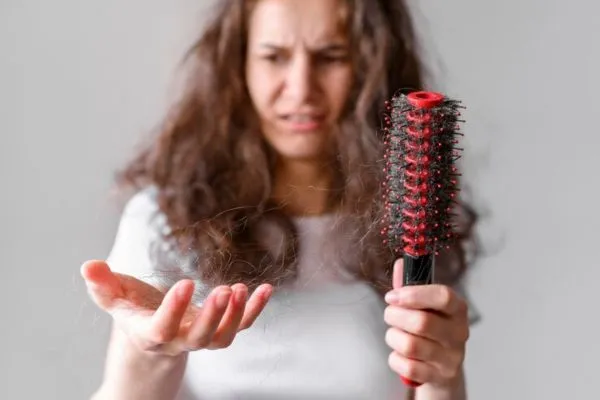
Encountering hair loss that surpasses the norm is a shared concern transcending age and gender boundaries. The level of apprehension triggered by this phenomenon varies among individuals. In addition, the gravity of the situation becomes more pronounced. Above all, it manifests itself significantly in women, especially in those in their formative years. In this article, we will discuss the reasons why young women lose their hair.
Hair serves several essential functions. It acts as a natural shield, protecting the scalp, and contributes significantly to our overall appearance. Many women lose their hair and desire full, lustrous hair but are often troubled by issues like hair loss and diminished strength and volume.
A common problem that temporarily impacts
Let’s talk about a common issue that can have a temporary impact. Still, in some cases, it may indicate the presence of alopecia or an underlying health issue that needs prompt attention to prevent worsening and the development of difficult-to-reverse baldness.
In addition to consulting various experts, we can refer to a thorough investigation conducted by Livestrong to gain in-depth knowledge about young women who lose their hair. This study emphasizes that roughly 40 to 50 percent of women experience, have experienced, or will experience hair loss ranging from 50 to 100 hair follicles. That is a quantity considered within the normal range.
As explained in the report, this kind of hair shedding tends to become more noticeable as women enter their thirties. As we’ll explore further, the causes can be diverse and of varying nature. The leading cause of significant hair loss in women is linked to the development of anemia and a subsequent deficiency in blood iron. This issue can only be resolved by restoring normal iron levels and providing intensive care to our hair throughout the course of this condition.
Another contributing factor that can negatively impact hair health is the insufficient intake of essential elements in different foods, particularly fruits and vegetables. These elements include vitamins B and C and Omega-3, among others. They play a crucial role in strengthening hair follicles. Inadequate levels of these elements can lead to hair loss. Therefore, it is crucial to adopt a well-balanced diet, such as the Mediterranean diet, and steer clear of fad diets that only exacerbate hair fall.
Female hair loss can be attributed to various factors. Indeed, we can mention the use of specific medications and the experience of surgical procedures that induce changes in the body and its internal substances.
Can medical conditions cause women to lose their hair?
Beyond external factors, medical conditions play a significant role. Immune system disorders, the onset of thyroid problems, and severe hormonal imbalances are among the root causes of abnormal hair loss, particularly affecting women at a young age.
An important consideration is the impact of chemotherapy on young women undergoing cancer treatment. Unfortunately, a noticeable consequence of such treatments is evident hair loss, adding to the physical and emotional challenges they face.
Furthermore, excessive stress levels in young women contribute significantly to hair loss. Effective stress management is crucial, often involving medical intervention. Without it, restoring their pre-existing appearance remains elusive. Addressing these issues is vital for understanding and dealing with female hair loss.
Symptoms of Hair Loss in Young Women
- Gradual Increase in Daily Hair Shedding: Observing a progressive rise in the number of hairs shed during routine activities like brushing, washing, or styling over an extended period.
- Thinning Across Specific Areas: Noticing a gradual reduction in hair density, particularly around the crown, parting, or other specific regions, leading to a visible thinning effect.
- Subtle Widening of the Natural Part: Detecting a subtle widening of the natural part, suggesting a decrease in hair density and potential hair loss along the scalp.
- Evident Recession of the Hairline: Clear recession of the hairline, especially noticeable along the forehead, contributing to changes in facial appearance.
- Development of Sparse or Patchy Areas: Formation of visibly sparse or patchy areas where hair growth is noticeably diminished, potentially indicating localized hair loss.
- Increased Scalp Visibility in Well-Lit Conditions: Greater visibility of the scalp, particularly in well-lit conditions, due to reduced hair coverage and density.
- Alterations in Hair Texture: Changes in the texture of the hair, including increased dryness, brittleness, or a lack of natural luster, signaling potential hair health issues.
- Sensitivity or Discomfort on the Scalp: Sensations of tenderness, itching, or discomfort on the scalp, potentially associated with underlying conditions contributing to hair loss.
- Excessive Hair on Surfaces: Discovering an unusual amount of shed hair on pillows, clothing, or in shower drains, indicating heightened and possibly abnormal hair loss.
- Noticeable Thinning Along the Hairline: Specific thinning along the hairline, affecting the framing of the face and influencing the overall visual appearance.
- Changes in Ponytail Thickness and Volume: Perceptible reduction in the thickness and volume of the ponytail when tying the hair back, reflecting an overall decrease in hair density.
- Formation of Unexplained Bald Patches: Development of distinct bald patches on the scalp without an apparent cause, suggesting localized areas of significant hair loss.
Treatment and Management of Hair Loss
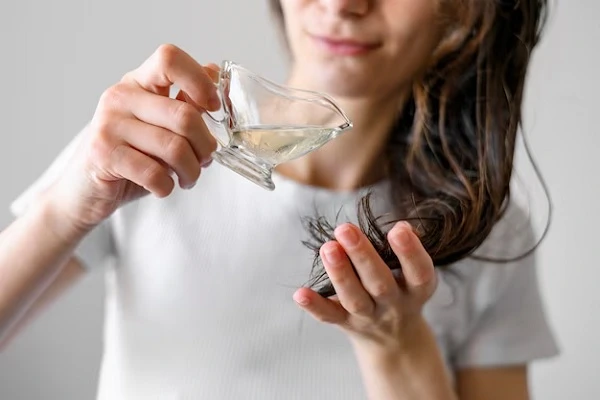
Medical Treatments and Holistic Approaches
- Conduct an in-depth examination to identify underlying medical conditions causing hair loss. Provide a thorough diagnosis to address these specific conditions.
- Create tailored treatment plans to address hormonal imbalances. Use medication or lifestyle adjustments as needed. Ensure the approach is holistic for overall hair health.
Nutritional Strategies and Personalized Supplements
- Detailed nutritional assessments to identify deficiencies affecting hair health.
- Customized dietary recommendations to include essential nutrients crucial for promoting healthy hair growth.
- Personalized supplement plans to address specific nutritional gaps and enhance overall hair vitality.
Advanced Hair Care Regimens
- Elaborate hair care routines designed to minimize further hair loss and promote optimal hair health.
- Specific recommendations for gentle shampoos, conditioners, and styling practices tailored to individual hair types and conditions.
Innovative Hair Loss Treatments
- Exploration of medical interventions such as Minoxidil, considering individual suitability and potential side effects.
- Information on cutting-edge treatments like hair transplantation, including detailed explanations of the procedures, benefits, and potential outcomes.
Visual Solutions: Wigs and Hairpieces
- Guidance on selecting and using wigs and hairpieces as visual solutions to manage the aesthetic impact of hair loss.
- Recommendations on reputable suppliers and considerations for choosing styles that align with personal preferences.
Psychosocial Support and Coping Mechanisms
- Emotional support resources and coping strategies for individuals dealing with the psychological impact of hair loss.
- Access to support groups, counseling, and other avenues to help individuals navigate the emotional challenges associated with changes in physical appearance.
Common Myths and Misconceptions About Hair Loss in Young Women
Examine common myths and misconceptions about hair loss in young women who lose their hair</strong>. These myths often create a landscape clouded by misinformation. Dispelling these myths is crucial. It helps foster accurate understanding and informed decision-making.
Myth
Hair loss only affects older individuals
Contrary to popular belief, hair loss is not exclusive to older age groups. Young women can also experience various forms of hair loss due to factors like genetics, medical conditions, or lifestyle choices. It’s important for young women to be aware of these potential causes and to seek guidance from healthcare professionals if they are experiencing hair loss. Understanding the underlying reasons for hair loss allows them to explore treatment options and make informed choices about their hair care and overall well-being.
Washing your hair too often causes hair loss
There is no direct correlation between frequent hair washing and hair loss. In fact, maintaining a clean and healthy scalp is essential for overall hair health. Hair loss is more often linked to underlying medical conditions or genetic predispositions.
Wearing hats or styling products leads to hair loss
Tight hairstyles and certain products may contribute to hair damage. However, they are not direct causes of permanent hair loss. It’s essential to strike a balance between styling practices and maintaining hair health.
Only men experience hereditary hair loss
Hereditary factors can affect both men and women, contributing to conditions like female pattern baldness. Understanding the genetic component is crucial in addressing and managing hair loss in young women.
Hair loss is always irreversible
Not all forms of hair loss are permanent. Some conditions, like telogen effluvium or certain hormonal imbalances, can be reversible with proper diagnosis and treatment. Seeking professional advice is key to understanding the potential for recovery.
Hair loss is always a cosmetic issue with no health implications
Hair loss can sometimes be a symptom of underlying health issues, such as hormonal imbalances or thyroid disorders. Ignoring persistent hair loss without seeking medical attention may overlook essential health considerations.
Stress is the sole cause of hair loss in young women
While stress can contribute to hair loss, it is rarely the sole factor. Various other causes, such as genetics, medical conditions, or nutritional deficiencies, can play significant roles in hair loss. Addressing the root cause is crucial for effective management. Taking a holistic approach to hair health is important, including managing stress, ensuring a balanced diet rich in essential nutrients, and seeking medical advice to rule out any underlying health conditions. By addressing the various factors contributing to hair loss, individuals can develop a comprehensive plan to promote healthy hair growth and overall well-being.
A more accurate and nuanced understanding of hair loss in young women emerges by dispelling these myths. This, in turn, empowers individuals to make informed choices regarding their hair health and seek appropriate professional guidance when needed.