



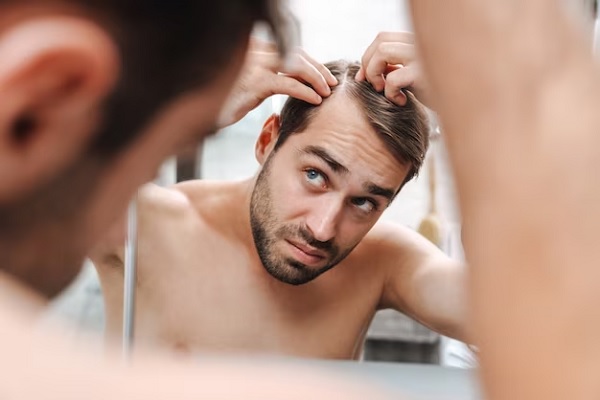
Alopecia is a disease that causes hair loss, but it affects more than just the body. It can have lasting effects on a person’s mental and emotional health. Alopecia has a big effect on a person’s mental health, lowering their self-esteem, body image. And quality of life in general. In the past few years. Microimplants have become a promising option that gives people who are dealing with the emotional effects of hair loss hope. In this article we will talk about The psychological consequences of alopecia and microimplants.
Types of Alopecia
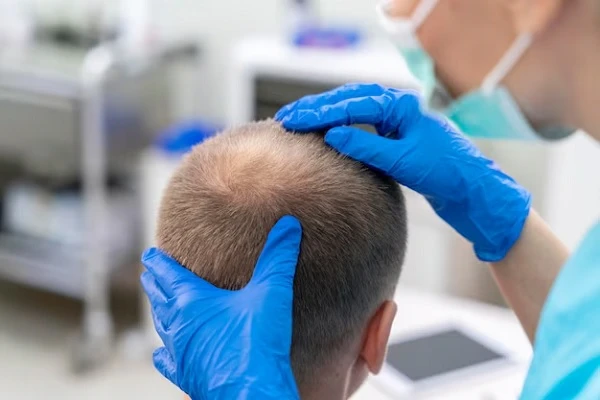
The medical word for hair loss is alopecia, and it can show up in different ways. Each with its own unique traits. To make a correct diagnosis and get the best care, you need to know about these types.
- Androgenetic alopecia: Of all the types of hair loss, androgenetic alopecia. Also called male-pattern baldness or female-pattern baldness, is the most common. Genetic and biological factors make it more likely to happen. In men, it often causes the hairline to recede and the head to go bald. In women, it causes hair to thin all over. Dihydrotestosterone (DHT) and other hormones play a major role in how this type of cancer grows.
- Alopecia Areata: This is an autoimmune disease in which the immune system attacks hair follicles by accident. Causing fast, patchy hair loss. Anyone of any age can get this type of alopecia, and the severity can range from small spots about the size of a coin to total baldness. No one knows for sure what causes it, but genetic and environmental factors are thought to play a role.
- Traction Alopecia: For a long time, tight hairstyles like braids, ponytails, and weaves can cause stress on hair follicles, which leads to traction alopecia. This type can be avoided, and the way hair is styled is linked to its occurrence. The repeated pulling hurts hair follicles over time, which causes hair loss. People who regularly wear their hair in styles that put stress on the hair shaft are more likely to develop traction alopecia.
The Emotional Burden of Alopecia
It’s not easy for anyone to go from having thick hair to having thinning hairlines. A priestly tonsure, or a bald spot that can be seen. It happens a lot when it moves quickly, changing our appearance in a very short amount of time and making us look very different from how we did before. The change that happens to half of all men at some point in their lives is not only unpleasant to look at because it makes the person look worse, but it also has psychological effects that are worth thinking about. Lucky for people with alopecia, these kinds of problems can be lessened or even fixed by putting them in the hands of trained pros.
Most people who have been labeled with alopecia have low self-esteem as their first serious mental health problem. It is well known that changes in our appearance play a part in creating what psychologists call our “self-concept.” This is simply the idea we have of ourselves, which breaks down when baldness shows up.
Difficulties in accepting
This is when our insecurities and difficulties in accepting our new selves become clear to us when we look in the mirror. This can have a big effect on our lives as a disability as long as we see hair as a sign of youth, confidence, or power. While this isn’t always the case, some people with alopecia see it as a disability that makes it hard for them to socialize and enjoy life, leading to worry, anxiety, and in the worst cases, depression that needs to be treated right away.
The best news is that the problem’s answer goes hand in hand, as it does so often, with progress in science. Today, someone is bald “because he wants it” because there are many ways to strengthen hair, stop hair loss, and, most importantly, turn bald spots into places where hair cells grow. This is done with procedures like the FUE capillary micrograft, stem cell treatments, or capillary mesotherapy, which vary from patient to patient and always have the same result: the scalp of people who have lost their hair for whatever reason grows back.
Getting Started with Microimplants
Microimplants, sometimes referred to as hair micrografts or hair follicle implants, are a cutting-edge and more favored method in the realm of hair restoration. This novel technique provides a focused and organic method to treat different forms of alopecia. The main objective of microimplantation is to rejuvenate and augment hair density through the transplantation of individual hair follicles into areas afflicted by hair loss.
Procedure of Microimplants
The microimplantation method entails the precise removal and relocation of minuscule hair follicles, normally sourced from the patient’s own donor region, commonly located at the posterior or lateral areas of the scalp. The donor area is selected based on its high resistance to the hormone dihydrotestosterone (DHT), which is a significant contributor to androgenetic alopecia. The resiliency of the transplanted hair guarantees its viability and reduces its susceptibility to future loss.
The method commences by extracting individual follicular units using a specialized micro-punch instrument. Subsequently, these entities, comprising a small number of hair follicles per unit, are meticulously readied for transplanting. The area where hair loss has taken place, known as the recipient site, is carefully and thoroughly prepped to accommodate the micrografts. Proficient surgeons meticulously position these microimplants to replicate the natural pattern and direction of hair growth, guaranteeing a realistic and visually appealing outcome.
A notable benefit of microimplantation is its limited invasiveness, resulting in reduced scarring. And expedited recovery when compared to conventional hair transplantation techniques. Moreover, as the technique involves utilizing the individual’s own hair follicles. The transplanted hair effortlessly integrates with the preexisting hair, resulting in a genuine and imperceptible outcome.
Psychological Benefits of Microimplants
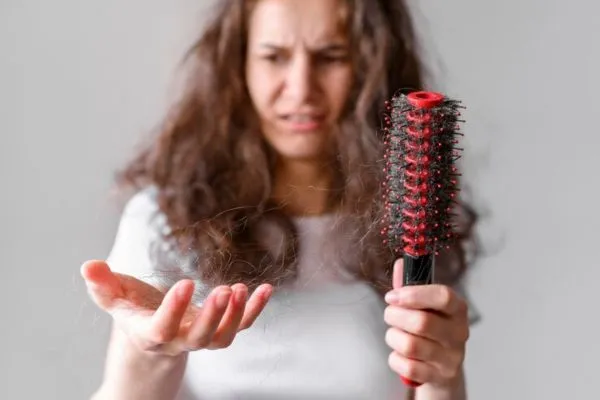
Microimplants have psychological benefits that go beyond reconstructing hair. They have a big effect on a person’s mental health and self-esteem. People who have been through the painful effects of hair loss can get microimplants, which are a revolutionary option that goes beyond regular treatments. This is because the effects of microimplantation are natural and can’t be seen. This boosts self-confidence. People can regain a more young and natural look by blending transplanted hair with their own hair in a way that looks natural. This takes away their worries about how they look.
Microimplants are also permanent, which gives people a sense of long-term protection and comfort. Instead of using short-term solutions like wigs or topical treatments. Microimplants get to the root causes of hair loss and provide long-lasting effects. This stability can help ease the stress that comes with worrying that your hair will keep falling out or going bald. Also worth mentioning is the good effect on relationships and social interactions. When your self-esteem goes up, you’re more likely to be social and involved in many areas of your life. Individuals who undergo microimplantation may feel more empowered and satisfied, which can make them feel better about their looks and their general quality of life.
Things to Consider when choosing the right Microimplant
When picking the best microimplant choice, you should think about a few things:
- Cost: Microimplantation costs can change depending on where the clinic is located, how skilled the surgeon is, and the method that is chosen. In general, FUE costs more than FUT because it requires more work. People should compare the cost to their income and the possible long-term benefits.
- Healing Time: In general, FUE a faster healing time than FUT. Because each graft is removed individually during FUE, there isn’t much bruising, and patients can usually get back to their normal lives faster. With FUT, on the other hand. You might need more time to heal because of the scar and the need for stitches.
- How well it works: Both FUT and FUE can work very well, but which one to choose relies on things like hair type. Desired results, and the amount of hair loss. FUE is better because it leaves less scar tissue and can be used for smaller graft needs. FUT may be better for people who need more grafts.
Effective and cheap hair microtransplants
While not all clinics possess the resources and skilled practitioners necessary for conducting FUE micrografts or platelet-rich plasma (PRP) treatment. It is undeniable that specialized centers offering these procedures have successfully transformed hair health. With treatments that are completely effective and affordable for all patients. Once the patient has received a visit from a medical expert. And the most suitable treatment has been identified, within a few days. The patient’s bald appearance is transformed as thousands of hair follicles are transplanted. Over the course of a few weeks, these follicles will develop into new, robust. And lustrous hair, restoring the patient’s previous appearance.
Conclusion
Alopecia has many psychological effects that go beyond just how a person looks. It can also affect their social and mental health. As the field of hair replacement changes. Microimplants stand out as a ray of hope because they are specifically designed to help people with alopecia. People who have lost their hair can regain their confidence. And feel good about themselves again with the help of microimplants. People with alopecia are making big steps toward overall health. And happiness as we continue to unlock the promise of new technologies.