



Imagine you could change something about yourself. What would it be? Most folks wish for weight loss or a closet full of stylish clothes. And then there are those who simply desire a full head of hair, free from worries of future hair loss. If you belong to this group, you’re in for a treat, because there’s a solution that can make it happen. In this article we will talk about The Efficacy of Stem Cell Treatment for Alopecia
Hair loss, also known as alopecia, is affecting more and more people, taking a toll on their self-esteem. The quest for innovative and effective solutions to this problem has led to a groundbreaking discovery in the form of stem cell treatment. This treatment has emerged as a long-lasting remedy for various types of hair loss.
In this article, we will delve into the world of stem cell therapy for hair loss, unveiling its remarkable effectiveness in the battle against alopecia.
You may also like: Frontal Fibrosing Alopecia: What Are Its Causes?
Defining Stem Cells

Within the intricate tapestry of the human body, an army of versatile stem cells thrives, numbering between 50,000 and 200,000. These diminutive yet powerful entities serve as the cornerstone of organ vitality, providing the essential support needed for organs to carry out their designated functions effectively.
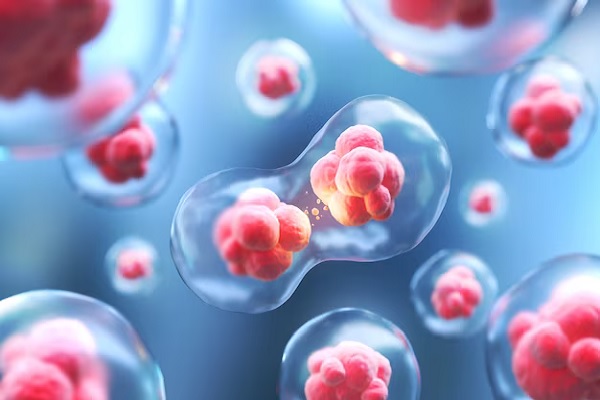
In a more intricate scientific context, stem cells are akin to adaptable chameleons. They are primordial, undifferentiated cells that patiently await their cue from the body’s command center. Stem cells possess the remarkable capacity to metamorphose into a variety of cell types, ranging from cardiac cells to blood cells and nerve cells. They remain in a state of quiescence, their latent potential springing to life only when the body issues a specific call for their unique talents.
This extraordinary duality is a fundamental aspect of their existence. When the body neglects to demand new cells for specific regions, the older cells in those areas gradually lose their vitality. This gradual decline in cell function ultimately leads to a decrease in the overall performance of the affected body part. It is this finely tuned equilibrium that forms the crucial connection between stem cells and a universal concern – hair loss.
In simpler terms, the escape of stem cells from their cozy abode within hair follicles is the starting point for hair loss. Triggered by underlying factors, these stem cells begin their exodus. When the body fails to regenerate damaged hair follicles, they persist in a dormant state, leaving the hair follicles unattended and unreplaced.
Stem Cell Treatment for Hair Loss
The remarkable world of stem cell treatment for hair loss bears some resemblance to traditional transplantation techniques. Just like how you transfer something from one place to another, stem cell therapy is all about the art of relocation. Yet, it’s essential to note that stem cell treatment distinguishes itself from other transplant procedures.
It doesn’t involve plucking or stripping hair strands from a specific area, but rather, it revolves around the extraction of precious stem cells. These extracted stem cells undergo a magical fusion with “PRP” before finding their new home on the scalp.
One approach to stem cell therapy is the extraction of a skin sample enriched with flourishing hair follicles. This precious sample goes through a rigorous evaluation process, ensuring it meets the criteria for the makeover. If it’s a suitable candidate, the next step is to clone it, creating a multitude of hair-producing cells.
These newly generated cells are then transplanted into the balding region, where they work their magic. Gradually, the once barren area experiences a vibrant resurgence of hair, a testament to the power of stem cell therapy.
Where are Stem Cells for Treatment Derived?
When it comes to harnessing stem cells for therapeutic purposes, various sources are available. These three key methods are essential for obtaining stem cells:
- Extraction from tissues fats
- Extraction from bone marrow
- Extraction from blood draw
Extraction from Tissue Fats
A fruitful source of stem cells lies within adipose tissue, the fatty layer found beneath the skin. This tissue boasts a wealth of stem cells, making it an excellent reservoir for extraction.
Extraction from Bone Marrow
For another source of valuable stem cells, we turn to the bone marrow. This technique involves the careful retrieval of stem cells from the soft, spongy interior of bones. It is achieved by introducing a needle cannula into the marrow to draw out these precious cells.
Extraction from Blood Draw
In a similar fashion to regular blood extraction, this method involves drawing blood with the use of cannulas. However, the goal here is not just to collect blood but to specifically extract stem cells, distinguishing it from the standard blood-drawing procedure.
Can a Patient Use Other People’s Stem Cells?
In the realm of medical procedures, the use of donor blood or tissue might seem like a viable option. However, it is important to recognize that this approach is generally fraught with risks and is often considered unwise. This is primarily because employing donor blood or tissue can potentially lead to adverse effects on the recipient.
For instance, if the donor happens to carry transmissible diseases, these ailments could be transmitted to the individual receiving the blood or tissue. Therefore, it is typically recommended to resort to the patient’s own blood or stem cells when embarking on stem cell treatment.
Unless the patient is afflicted by an underlying autoimmune disorder that could thwart the effectiveness of stem cell treatment, the safer and more clinically sound choice is to harvest and employ the patient’s own cells. This approach minimizes the risks associated with using donor cells, ensuring a more secure and effective course of treatment.
How Stem Cell Treatment Work
The following are the processes involved in stem cell treatment:
Precise Stem Cell Harvesting
The journey to rejuvenate hair begins with a meticulous process of stem cell extraction. Stem cells, known for their regenerative potential, can be obtained from a range of sources within the body, including adipose tissue (commonly referred to as fat), a simple blood draw, or the bone marrow.
The choice of source is made after careful consideration of individual needs, medical history, and the specific requirements for optimal hair restoration. This personalized approach ensures that the most suitable stem cell reservoir is chosen to kickstart the hair revitalization process.
The Art of Stem Cell Isolation
After the stem cells have been sourced, the next critical step is to isolate them from the surrounding samples. This process demands precision and expertise to guarantee the purity and potency of the stem cells. This meticulous isolation ensures that the stem cells are in the optimal condition to play their pivotal role in the hair rejuvenation journey.
Strategic Hair Follicle Removal
The path to hair revitalization involves a well-thought-out strategy. In this context, certain hair follicles that may have lost their vitality or could be obstructing the growth of healthier follicles are strategically removed. This careful and deliberate follicle removal lays the foundation for the emergence of new, robust, and healthy hair follicles.
Fostering New Follicle Growth
With the unproductive follicles removed, the stage is set for an exciting development. New hair follicles are not merely allowed to grow naturally; they are expertly duplicated. This process creates an environment conducive to the regrowth of hair, resulting in a denser and more vibrant head of hair.
Stem Cell Elixir for Hair Growth
The pivotal moment arrives when the carefully harvested stem cells are introduced into the scalp. This infusion acts as a powerful catalyst, awakening dormant hair follicles and kick starting their growth. The stem cells provide the much-needed push for new hair to emerge, and they also rejuvenate existing follicles, promoting a lush and revitalized mane.
Empowering Existing Follicles
The role of stem cells in hair regeneration extends beyond promoting new growth. These remarkable cells are also harnessed to enhance the health and growth rate of existing follicles. When stem cells are injected into mature follicles, they receive a boost in vitality, resulting in a fuller and more luxurious head of hair.
Pain-Free Advancements in Hair Restoration
One of the most remarkable aspects of this cutting-edge stem cell treatment is its unparalleled comfort. Unlike conventional hair transplant procedures that often require anesthesia, stem cell treatments are virtually pain-free. This eliminates the need for anesthesia, making the process not only more accessible but also significantly more comfortable for those seeking hair regeneration through stem cell therapy.
The absence of pain and discomfort ensures that individuals can undergo the treatment with ease and confidence.
What’s the Efficacy Level of Stem Cell Treatment for Alopecia?
The effectiveness of stem cell therapy in addressing hair loss is a noteworthy discovery. However, to delve deeper into the subject, the success of this treatment greatly hinges on the chosen procedure and the expertise of the attending surgeon.
Recent findings also indicate a substantial 29% increase in hair growth within a 23-week period post-stem cell therapy. This data underscores the potential of stem cell treatment as an optimal solution for individuals grappling with alopecia.
The financial aspect of stem cell treatment warrants consideration. The cost of stem cell treatment services may vary, typically ranging between $3,000 and $10,000, contingent on the surgeon’s experience and the extent of the patient’s hair loss. Furthermore, the duration of treatment plays a role, typically spanning 2 to 6 sessions before noticeable results manifest. It’s essential to take into account subsequent appointments after the transplant, as they contribute to the overall cost.
In Closing
The efficacy of stem cell treatment presents an opportunity for individuals dealing with any form of alopecia. It heralds a potential era where hair loss becomes a rarity, and for those experiencing it, a matter of choice. The future of alopecia management is looking brighter thanks to stem cell therapy.