




When considering a hair transplant, gathering insights from individuals who have explored various clinics is crucial. These firsthand accounts are pivotal in guiding us towards the right clinic for our procedure. Our initial step involves delving into clinic testimonials, where individuals share their personal journeys. To ensure the authenticity of these experiences, reviewers must reveal their faces, first names, and surnames. Without this transparency, any comments made may raise doubts. In this article, we will discuss The best opinions’ forum on hair grafting.
Social Media platforms also serve as valuable resources for gauging satisfaction levels with a clinic’s services. However, caution must be exercised to verify the legitimacy of comments by ensuring they originate from accounts displaying real names and faces. This precaution guards against competitors posting misleading remarks to tarnish a clinic’s reputation.
In addition to official websites and popular social media channels like Twitter, Facebook, Instagram, and YouTube, Spain hosts various forums. These forums provide spaces to share diverse comments regarding clinics, treatments, and preoperative and postoperative advice and facilitate direct interactions with individuals who have undergone similar treatments.
Forum on Hair Grafting
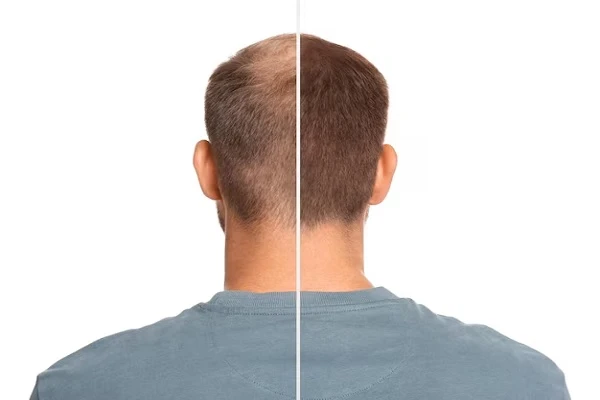
In our nation, there are three primary platforms dedicated to discussions about hair restoration: Recuperarelpelo, Tenerpelo, and Forocapilar. These online forums have become pivotal hubs for individuals seeking guidance and exchanging views on various hair restoration techniques. The topics of discussion range from the most reputable clinics for hair transplants in countries like Turkey and Spain to the personal experiences of patients who have undergone procedures at different clinics, both domestically and internationally.
Determining the definitive “best” among these forums can be quite challenging, as each platform offers a unique perspective and caters to different informational needs. The choice of forum depends on one’s specific areas of interest and the availability of genuine data from contributors substantiating their statements. Therefore, users are encouraged to consider their informational requirements carefully before selecting the most suitable forum for their inquiries.
Types of Hair Grafting Procedures
There are various methods of hair grafting procedures designed to address hair loss. These techniques involve transferring hair follicles from one part of the body to the scalp, promoting new hair growth. Here are some common types:
Follicular Unit Transplantation (FUT)
In the Follicular Unit Transplantation (FUT) procedure, a narrow strip of skin containing hair follicles is surgically removed from the donor area, typically the back of the head. The strip of skin is then carefully dissected into individual follicular units under a microscope. These individual follicular units, which can contain one to four hairs, are then transplanted into the bald or thinning areas of the scalp, known as the recipient site.
Follicular Unit Extraction (FUE)
Follicular Unit Extraction (FUE) is an advanced hair transplant technique that involves extracting individual hair follicles from the donor area using a specialized punch tool. Unlike traditional hair transplant methods that require the removal of a strip of skin, FUE is minimally invasive and leaves only small, round scars that are virtually undetectable. This innovative approach allows for a faster and more comfortable recovery period compared to other hair transplant techniques.
Robotic Hair Transplantation
Some clinics use robotic systems to perform hair transplantation. These robots use artificial intelligence to select and harvest individual follicular units for transplantation, offering precision and efficiency.
Scalp Reduction
This procedure involves removing a portion of the bald scalp and stretching the adjacent hair-bearing skin to cover the area. It’s less common today due to the popularity of follicular unit techniques.
Platelet-Rich Plasma (PRP) Therapy
While not a traditional hair grafting technique, PRP therapy involves injecting a concentrated form of the patient’s own blood into the scalp to stimulate hair follicles and promote hair growth. It is often used in conjunction with other grafting procedures.
Artificial Hair Implants
In some cases, synthetic or artificial hair fibres are implanted into the scalp to create the appearance of fuller hair. However, this method is less common and may not provide a natural look.
Choosing the most suitable hair grafting procedure depends on factors such as the extent of hair loss. It also depends on the desired outcome and individual preferences. Consulting with a qualified professional can help determine the most effective approach for addressing specific hair restoration needs.
Choosing a Hair Grafting Surgeon and Clinic
Selecting the right hair grafting surgeon and clinic is crucial in ensuring a successful and satisfying hair restoration experience. Here are some factors to consider when making this critical decision:
Credentials and Expertise
Verify the credentials and qualifications of the surgeon. Look for board certification and memberships in relevant professional organizations. Assess the surgeon’s experience and expertise, specifically in hair grafting procedures.
Before-and-After Portfolio
Review the surgeon’s portfolio of before-and-after photos from previous patients. This visual representation can give you an idea of the surgeon’s skill and the potential outcomes you can expect.
Patient Reviews and Testimonials
Read reviews and testimonials from previous patients. Platforms like online forums, social media, or the clinic’s website can provide valuable insights into the experiences of others who have undergone similar procedures.
Clinic Reputation
Consider the clinic’s overall reputation. Research its length of operation, success rates, and any awards or recognitions it may have received. A reputable clinic often reflects a commitment to quality and patient satisfaction.
Consultation Process
Schedule a consultation with the surgeon. This is an opportunity to discuss your concerns, ask questions, and gauge the surgeon’s approach to your case. Pay attention to how well the surgeon listens and communicates.
Technology and Techniques
Inquire about the technology and techniques used by the clinic. Stay informed about advancements in hair grafting procedures. Ensure that the clinic employs up-to-date and proven methods for optimal results.
Cost Transparency
Understand the costs involved in the procedure. A transparent clinic will provide a clear breakdown of fees, including any potential additional costs. Be cautious of hidden charges.
Patient Education
A good clinic educates patients about the procedure, the recovery process, and potential risks. Ensure that you have a realistic understanding of what to expect before, during, and after the hair grafting procedure.
Follow-up and Support
Inquire about post-operative care and support. A reputable clinic will have a follow-up plan to monitor your progress and address any concerns that may arise during the recovery period.
Location and Convenience
Consider the clinic’s location and the convenience of getting there for consultations and follow-up appointments. Factor in travel time and accommodation if necessary.
By carefully considering these factors and conducting thorough research, you can make an informed decision when choosing a hair grafting surgeon and clinic. Taking the time to select the right professionals enhances the likelihood of a successful and satisfactory outcome.
The Importance Of Comparing Opinions On Clinics That Perform Hair Transplants
Indeed, when faced with the decision of selecting a clinic, a thorough comparison of experiences, services, and prices is crucial. Seeking additional insights on specialized forums or contacting a former patient from the desired centres can provide a comprehensive understanding. Gathering as much information as possible is key to ensuring the success of our intervention, as more details empower informed decisions.
Pre-operative and Post-operative Care
Preoperative Care
- Consultation and Assessment: A thorough consultation with the surgeon is essential before any surgery. This involves discussing medical history, current medications, and expectations from the procedure. The surgeon will assess the patient’s overall health and determine if they are a suitable candidate for the surgery.
- Medical Tests: Depending on the type of surgery, the patient may need to undergo specific medical tests, such as blood tests or imaging studies, to ensure good health and identify any potential risks.
- Follow Preoperative Instructions: Surgeons provide specific instructions to prepare for surgery, including guidelines on fasting before the procedure and discontinuing certain medications that could interfere with the surgery or anaesthesia.
- Quit Smoking and Limit Alcohol: Patients are often advised to quit smoking and limit alcohol intake before surgery, as these can negatively impact the healing process.
- Arrange for Transportation: Since patients may be groggy or sedated after surgery, arranging for transportation to and from the surgical facility is crucial for their safety.
- Prepare the Home: Patients should prepare their homes for postoperative recovery, ensuring a comfortable and safe environment. This may include setting up a recovery area with necessary supplies and assistance.
Postoperative Care
- Monitoring and Recovery Room Care: Patients are closely monitored in a recovery room after surgery. Vital signs such as heart rate, blood pressure, and oxygen levels are observed until the patient is stable.
- Pain Management: Adequate pain management is crucial for postoperative care. Patients are prescribed pain medications as needed, and their pain levels are regularly assessed.
- Wound Care: Proper care of surgical incisions or wounds is essential to prevent infection and promote healing. This may involve keeping the area clean, changing dressings, and following specific wound care instructions.
- Activity Restrictions: Surgeons provide guidelines on activities to avoid during the initial recovery period. This may include restrictions on heavy lifting, strenuous exercise, or specific movements that could strain the surgical site.
- Follow-up Appointments: Patients typically schedule follow-up appointments with the surgeon. The surgeon must monitor recovery progress, address any concerns, and remove stitches or staples if necessary.
- Diet and Hydration: Maintaining a balanced diet and staying hydrated are essential for healing. Certain surgeries may have specific dietary restrictions, and patients should follow the recommendations provided by their healthcare team.
Patients should always follow their surgeon’s specific preoperative and postoperative care instructions to optimize their recovery and achieve the best possible outcomes.