



If we ask a couple of people what they consider the best hair care practice, there’s a high likelihood they list a series of hair care products and styling methods. While these work, they aren’t always the case because nothing defeats good nutrition for good hair health. As much as people often overlook the potency of good nutrition for the hair, we are here to remind you that it’s second to nothing. Your appearance is a product of what you eat. So if you want to look healthy, you have to eat healthily. And without any dropoff, the same thing applies to the hair, meaning you must commit to a healthy diet if you wish to have healthy-looking hair.
Hair care products only work externally, but good nutrition works internally and externally. We understand that deciding what to eat to stay alive and well-nourished is a hell of a job, so determining what to eat for good hair growth could add to this difficulty. So, to save you from this stress, this article will suggest some food nutrients for hair you can add to your diet. But before we go into that, we’ll show you how food nutrients affect the hair.
How do food nutrients affect hair?

A remarkable fact about the human body is that it is organized in a way that priority is given first to essential organs before auxiliary items like our skin, fingernails, and hair. All the energy or nutrients we get from feeding are first directed to these vital parts before any other place. And as far as the hair is concerned, it ranks pretty low in receiving these essentials for growth and development and only gets what’s left of the supply.
With this, it becomes evident that you can’t afford poor nutrition because if your body is poorly fed and malnourished, the direct implication is that your hair will suffer a lot. Hence, the need for you to feed properly such that whatever the body sends to the hair is enough for its health and proper functioning. Therefore, focusing on eating good food means you and the hair on your head will benefit significantly from it.
What does what we eat have to do with hair nutrition?
Some Food Nutrients for Healthy Hair
If you want to prioritize healthy feeding habits, below are some valuable food nutrients you can add to your diet for quality hair health:
1. Protein
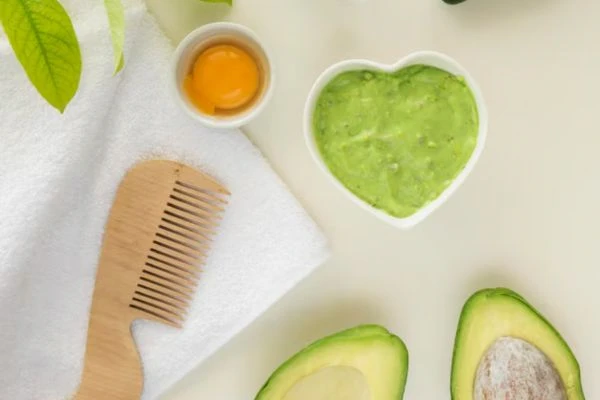
Human hair is composed primarily of a protein called keratin, which plays a crucial role in determining its physical characteristics and strength. Insufficient levels of keratin in the body can lead to hair becoming brittle, dry, and losing its natural luster, ultimately resulting in hair loss.
While keratin itself is not directly obtained from food, it is abundant in protein-rich foods. Therefore, consuming a diet high in protein can enhance the availability of keratin, benefiting not only your hair but also your skin and fingernails. For optimal hair health, it is recommended to incorporate 50 – 70 grams of protein into your daily diet. Good sources of protein include lean meats, poultry, fish, eggs, dairy products, legumes, nuts, seeds, and whole grains.
2. Biotin
When it comes to maintaining healthy hair, it’s important to pay attention to the nutrients that support hair health. Biotin is a crucial nutrient for hair health as it plays a significant role in numerous enzymatic reactions within the body. Additionally, it aids in the proper breakdown of other nutrients, allowing them to be effectively utilized for various bodily functions.
A deficiency in biotin can lead to poor metabolism, which in turn can contribute to hair loss due to undernourished follicular cells. Therefore, it’s essential to ensure that our diet contains an adequate amount of biotin. Oats, green peas, brown rice, soy, lentils, eggs, and more are good sources of biotin. It’s worth noting that there is currently no evidence to suggest that the scalp and hair can absorb biotin from hair products, so obtaining biotin through dietary sources is key.
3. Iron
Iron deficiency often leads to excessive hair shedding by limiting the nutrients delivered to hair follicles, which affects hair growth. To maintain healthy hair, it’s essential to ensure an adequate supply of iron and increase ferritin reserves. You can obtain iron from both plant and animal sources.
Plant-based iron-rich foods include spinach, kale, dried fruits like apricots and raisins, seeds such as pumpkin and sesame, legumes like lentils and chickpeas, as well as fortified cereals and grains. These plant-based sources are especially important for those following a vegetarian or vegan diet. Animal-derived iron-rich foods, such as red meat, chicken, turkey, fish, eggs, and dairy products, provide heme iron. The body absorbs heme iron more easily than non-heme iron from plant sources.
4. Omega-3 Fatty Acids
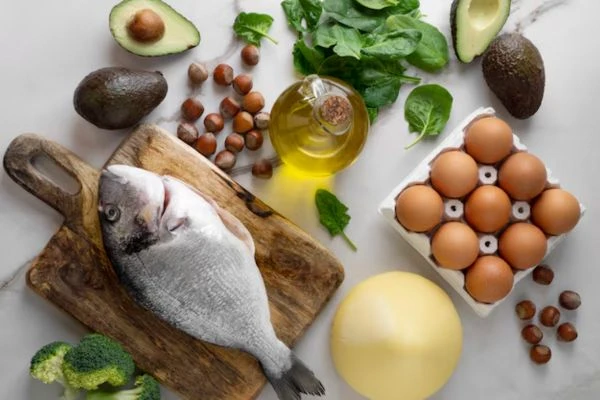
The omega-3 fatty acid is another essential nutrient the body requires for optimal functioning. Its inexhaustible benefits extend to our hair because it needs it for strength and proper growth. Research conducted in 2015 even established that omega-3 effectively corrects hair loss in women. However, you don’t have to wait to suffer from the condition before taking diets rich in this nutrient.
Taking omega-3 fatty acids means you can improve sebum secretion, which helps keep your scalp oiled and hydrated. It also helps eliminate any chance for inflammation which may cause damage to your hair follicles. You can derive this nutrient from foods like salmon, flaxseeds, mackerel, tuna, chia seeds, and so on.
5. Zinc
Zinc plays a crucial role in maintaining the health of the scalp and hair. It is essential for the production of sebum, an oily substance that helps moisturize the scalp and hair, preventing dryness and flakiness. Sebum also helps in maintaining the natural shine and luster of the hair. Furthermore, zinc aids in the repair and growth of tissues, including those in the scalp, which is essential for maintaining healthy hair follicles.
In addition to its role in sebum production and tissue repair, zinc also has antioxidant properties that help protect the scalp and hair from oxidative stress and damage. Oxidative stress can lead to premature aging of the scalp, which may manifest as thinning hair or hair loss. By including zinc-rich foods such as oysters, lobster, crabs, and egg yolks in your diet, you can ensure that your body has an adequate supply of this essential mineral to support a healthy scalp and hair.
Dietary considerations for different hair types
Tailoring nutrition to your hair type can significantly improve its health and appearance. For dry hair, incorporating healthy fats like omega-3 fatty acids found in fish, flaxseeds, and walnuts helps to restore moisture and shine. Vitamin E-rich foods like almonds and spinach can also enhance hydration and protect against dryness.
For oily hair, it’s essential to balance your diet with foods that regulate sebum production. Zinc-rich foods like pumpkin seeds, chickpeas, and oysters can help control excess oil while reducing high-fat, greasy foods can prevent further buildup. Brittle hair benefits from protein-rich foods such as eggs, lean meats, and beans, which strengthen hair strands and reduce breakage. Adding biotin-rich foods like sweet potatoes and nuts can further support hair resilience.
Hydration and Its Impact on Hair
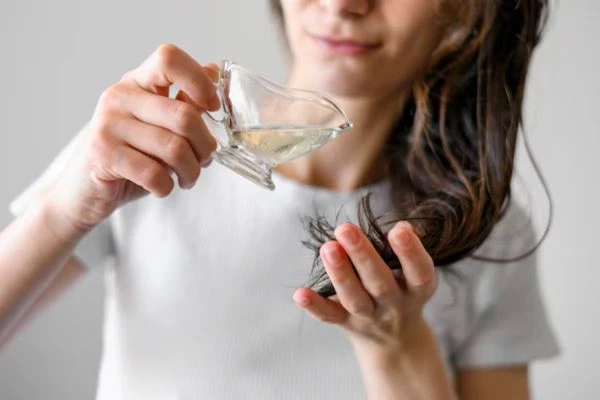
Water plays a vital role in maintaining scalp and hair health. Proper hydration ensures that hair strands stay moisturized, reducing the risk of dryness, brittleness, and breakage. Without adequate water intake, the scalp can become dry and irritated, leading to dandruff and weakened hair follicles.
Drinking enough water daily helps to transport essential nutrients to hair cells, promoting healthy growth and shine. Hydrated hair is more elastic, making it less prone to split ends and damage. Maintaining proper hydration is essential for both the scalp and overall hair vitality.
What food should I avoid for optimal Hair Health?

Eating processed foods and consuming high levels of sugar can have a detrimental impact on the health of your hair. These types of food often lack essential nutrients, such as vitamins and minerals, which are crucial for maintaining strong and healthy hair. When you consume too many processed snacks and sugary items, it can lead to inflammation and cause imbalanced blood sugar levels, which in turn may disrupt the natural growth of your hair and weaken your hair follicles.
Furthermore, excessive sugar consumption can lead to an increase in sebum production, resulting in a greasy scalp and clogged follicles, ultimately contributing to hair thinning. To maintain optimal hair health, it is crucial to prioritize nutrient-dense whole foods and reduce your intake of processed and sugary options.
Faq’s
What nutrients are essential for hair growth?
Vitamins like biotin, vitamin D, and E, along with minerals such as zinc and iron, are essential for promoting hair health and growth.
How does protein impact hair health?
Protein is crucial as it strengthens hair and prevents breakage. Diets lacking protein can lead to weak, brittle hair.
Can hydration affect hair health?
Absolutely. Proper hydration supports scalp health, helping prevent dryness and promoting stronger hair.
Conclusion
Proper nutrition plays a significant role in maintaining healthy, strong hair. A diet rich in vitamins, minerals, protein, and omega-3 fatty acids can combat hair loss and improve hair quality. Staying hydrated also supports scalp health, ensuring optimal hair growth conditions. Embracing a balanced diet not only benefits overall well-being but is also essential for radiant, resilient hair.