



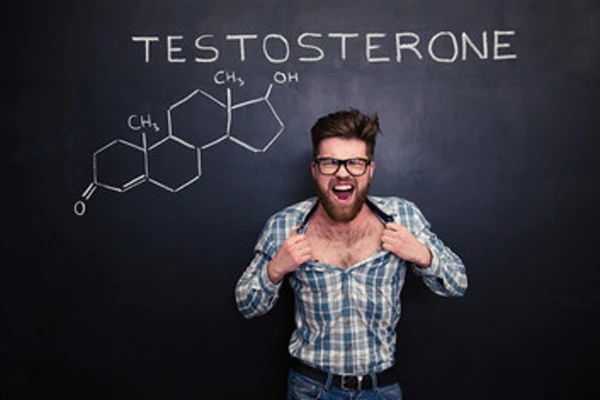
Hair loss is a common concern for both men and women, and testosterone can play a role. Testosterone is a hormone that is responsible for many male characteristics, including hair growth. However, testosterone can also be converted to a hormone called dihydrotestosterone (DHT), which can cause hair loss in some people. DHT binds to hair follicles and shrinks them over time. This can lead to thinner hair and eventually baldness. Male pattern baldness, the most common type of hair loss in men, is caused by a combination of genetics and DHT. In this article we will analyze how testosterone cause hair loss.
Maybe you are interested: Hair Transplantation in Women Without a Shave
Why Testosterone cause hair loss?

Testosterone levels naturally decline with age, but they can also be affected by other factors, such as certain medical conditions and medications. Men who have low testosterone levels are less likely to experience hair loss. However, some men with low testosterone levels may still have high levels of DHT, which can cause hair loss.
Varieties of Testosterone in the Human Body

Testosterone, the primary male sex hormone, exists in various forms within the human body, each with its unique characteristics and functions. Here, we examine the different types of testosterone found in the body:
Free Testosterone
This form of testosterone is not bound to proteins, making it readily available for the body to use. Free testosterone plays a crucial role in many physiological processes, including muscle growth, libido, and mood regulation.
Bound Testosterone
Most testosterone in the bloodstream is bound to two proteins: sex hormone-binding globulin (SHBG) and albumin. While bound to these proteins, testosterone is unable to exert its effects on the body. However, it serves as a reservoir that can be converted into free testosterone when needed.
Total Testosterone
This measurement combines both free and bound testosterone levels in the blood. Total testosterone levels are often used to assess overall testosterone production in the body.
Bioavailable Testosterone
Bioavailable testosterone includes both free testosterone and testosterone loosely bound to albumin. It represents the portion of testosterone that is biologically active and can interact with cell receptors to influence various bodily functions.
Dihydrotestosterone (DHT)
DHT is a potent metabolite of testosterone and is responsible for many of its androgenic effects. It plays a crucial role in the development of male secondary sexual characteristics and is particularly associated with hair growth, but also with the enlargement of the prostate gland.
Adrenal Androgens
In addition to testes, the adrenal glands also produce small amounts of androgens, including testosterone and dehydroepiandrosterone (DHEA). These hormones contribute to overall androgen levels and can influence aspects of health and well-being.
Understanding the different types of testosterone and their roles in the body is essential for comprehending the diverse physiological functions governed by this hormone. It also aids in diagnosing and treating conditions related to hormonal imbalances, such as hypogonadism or polycystic ovary syndrome (PCOS).
High Testosterone and Low Testosterone

The level of testosterone in the body can significantly impact hair health, but the effects of high and low testosterone on hair loss differ. Let’s delve into the distinctions between these two scenarios:
High Testosterone and Hair Loss
Increased Dihydrotestosterone (DHT): High testosterone levels can lead to elevated levels of dihydrotestosterone (DHT) due to the enzymatic conversion of testosterone. Excess DHT can contribute to hair loss.
Male Pattern Baldness: High testosterone, when combined with a genetic predisposition, can accelerate male pattern baldness or androgenetic alopecia. This condition typically causes a receding hairline and thinning at the crown.
Excessive Hair Growth: Paradoxically, in some cases, high testosterone levels may promote excessive facial and body hair growth (hirsutism), while causing scalp hair loss.
Low Testosterone and Hair Loss
Reduced DHT Levels: Low testosterone generally results in lower DHT production, which might be considered advantageous for hair health.
Thinning Hair: Low testosterone levels can also lead to hair thinning, but the mechanisms differ. In this case, it’s not the excess DHT but the hormonal imbalance that can contribute to hair loss.
Other Contributing Factors: Hair loss in individuals with low testosterone might be attributed to underlying health issues, medications, or nutrient deficiencies rather than testosterone levels alone.
Considerations
Individual Variability: It’s essential to recognize that people vary in their response to testosterone levels. Some individuals with high testosterone may maintain a full head of hair, while others may experience hair loss, depending on genetic factors and DHT sensitivity.
Hormonal Balance: Hair health is influenced by a delicate hormonal balance, not just testosterone alone. Other hormones, such as estrogen and thyroid hormones, also play roles in hair growth and loss.
Consultation with a Healthcare Provider: If you’re concerned about hair loss, consult with a healthcare provider or dermatologist. They can assess your specific situation, conduct tests, and recommend appropriate treatments or interventions based on your hormonal profile and individual needs.
Understanding Pattern Baldness
Male Pattern Baldness
Male pattern baldness, scientifically known as androgenic alopecia, is a process where hair on the head gradually becomes thinner. This thinning usually starts near the forehead and the top of the head, eventually leading to complete baldness.
The reasons behind male pattern baldness are intricate, involving a mix of genetic and hormonal factors. A key player in this process is dihydrotestosterone (DHT), a male hormone derived from testosterone.
DHT can attach itself to androgen receptors within hair follicles, causing these follicles to shrink. This shrinkage leads to the production of thinner and shorter hair strands, ultimately resulting in hair loss.
Male pattern baldness often has a familial link and is more common in men with a family history of this condition. It typically starts affecting men in their twenties or thirties and becomes more prevalent as they age.
Female Pattern Hair Loss
Female pattern hair loss, in contrast, presents as diffuse thinning across the scalp. Unlike men, women experiencing this condition don’t usually encounter a receding hairline. Similar to its male counterpart, female pattern hair loss is believed to be influenced by genetic and hormonal factors.
Apart from genetics and hormones, factors such as aging, stress, and specific medical conditions can also play a role in female pattern hair loss. Women facing sudden or severe hair loss should consider consulting a healthcare expert to rule out any underlying medical issues.
Exploring Solutions for Testosterone-Induced Hair Loss
Dealing with hair loss attributed to testosterone can be achieved through various methods, contingent upon its root cause. Below, we outline some of the commonly employed remedies.
Finasteride
Finasteride is a prescription medication frequently employed to combat male pattern baldness attributed to heightened testosterone levels. Its mechanism of action revolves around obstructing the conversion of testosterone into dihydrotestosterone (DHT). By inhibiting the production of DHT, finasteride encourages hair follicles to transition into the anagen phase, which signifies the growth phase of the natural hair growth cycle.
To see tangible results, individuals typically take finasteride in pill form once a day. However, it’s important to note that it may take several months of consistent use before visible improvements in hair growth become apparent.
While finasteride is generally well-tolerated, it can induce side effects in some individuals. Common adverse effects encompass sexual dysfunction, erectile dysfunction, and decreased ejaculate volume. In rarer cases, more severe side effects such as depression and even suicidal thoughts have been associated with finasteride use. Furthermore, it’s crucial to recognize that finasteride is ineffective in addressing female hair loss.
Minoxidil
Minoxidil represents another frequently employed remedy for hair loss, applicable to both men and women. It is a topical solution directly applied to the scalp, believed to enhance blood circulation to hair follicles and stimulate hair growth.
Over-the-counter minoxidil solutions are available in concentrations of 2% and 5%. Typically, individuals apply minoxidil to the affected scalp area twice daily. To witness substantial hair regrowth and visible results, a commitment of several months of consistent usage may be necessary.
While scalp irritation, itching, and dryness are the most commonly reported side effects, it’s important to be aware that minoxidil has, in rare cases, been associated with more serious side effects such as chest pain, rapid heartbeat, and swelling of the face or hands. Additionally, the effectiveness of minoxidil varies among individuals, and for some, alternative treatments like finasteride or hair transplant surgery may be more suitable.
Hair Transplantation
Hair transplantation entails a surgical procedure where hair follicles are extracted from a donor site, often the head’s back or sides, and transplanted to areas experiencing baldness or thinning. The transplanted follicles adapt and continue to produce hair at their new location, resulting in a fuller, more natural-looking head of hair.
Two principal hair transplant techniques exist: follicular unit transplantation (FUT) and follicular unit extraction (FUE).
Follicular Unit Transplantation (FUT): In this method, a strip of scalp containing hair follicles is surgically removed from the donor site. The extracted follicles are then dissected and carefully transplanted into the recipient area.
Follicular Unit Extraction (FUE): FUE involves the direct extraction of individual hair follicles from the scalp, which are subsequently transplanted to the recipient site.
Home Remedies for Hair Growth
Essential oils are renowned for promoting healthy hair growth and can be employed to address hair loss concerns. Here are some commonly recommended options:
Rosemary Oil: Rosemary oil is believed to enhance hair growth by promoting better blood circulation in the scalp and stimulating hair follicles. Additionally, it may help reduce inflammation and oxidative stress, both of which can contribute to hair loss.
Lavender Oil: Lavender oil is reputed to possess antimicrobial properties, which can aid in maintaining a healthy scalp and preventing conditions like dandruff that may lead to hair loss.
Cedarwood Oil: Cedarwood oil is believed to stimulate hair follicles and improve scalp circulation, thereby fostering hair growth.
Tea Tree Oil: Tea tree oil is known for its antifungal and antibacterial properties, making it valuable for scalp health and prevention of infections contributing to hair loss.