



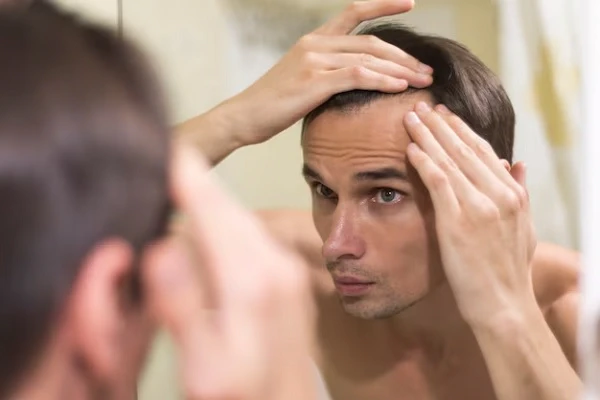
Hair isn’t just a feature of our physical appearance; it’s a symbol of our uniqueness and self-assuredness. It molds our facial aesthetics, complements our personal style, and, for many, forms a fundamental part of their self-identity. However, it’s important to acknowledge the unsettling truth that temporary hair loss can strike people from all walks of life and can come as a surprise. The good news is that there’s often a chance for recovery, which is undeniably uplifting. In this blog post, we’ll delve into the complex world of hair, appreciating its significance while exploring the common causes and signs of temporary hair loss. This knowledge will empower you with the tools to effectively tackle this widespread issue.
Maybe you are interested: Frontal Fibrosing Alopecia: What Are Its Causes?
Types of Hair Loss
Hair loss is a common issue that affects people of all ages, genders, and backgrounds. It can occur in different ways, and there are two main types: temporary and permanent hair loss. It is important to understand the difference between these categories in order to effectively manage and maintain a sense of tranquilly.
Temporary Hair Loss
Temporary hair loss, as the name suggests, is a condition characterised by hair loss that is not permanent. Frequently, it arises due to certain triggers or underlying causes that can be dealt with.
Permanent Hair Loss:
Permanent hair loss, on the contrary, pertains to situations in which hair loss cannot be reversed. The most prevalent type is Androgenetic Alopecia, also referred to as male or female pattern baldness, which is impacted by genetics and hormonal elements.
The difference between temporary and permanent hair loss is determined by whether or not the condition can be reversed. Temporary hair loss is something that happens when certain things cause it, and it can be fixed by dealing with the main reason behind it. On the other hand, permanent hair loss is usually something that you inherit and it gets worse over time. The initial step in figuring out the right treatment and management plan is to comprehend the specific type of hair loss you are going through.Top of Form
Causes of Temporary Hair Loss
Going through temporary hair loss can be quite distressing, but having knowledge about its common causes can empower individuals to better cope with the issue and find suitable solutions. Here are a couple of key factors contributing to temporary hair loss:
Telogen Effluvium
Temporary hair loss can occur when a significant number of hair follicles prematurely enter the resting phase of the hair growth cycle. Stress, whether it’s physical or emotional, plays a significant role in this type of hair loss. It can be triggered by major life events, illness, or hormonal changes. Situations such as post-surgery recovery, prolonged illness, or emotional stress can cause a substantial number of hair follicles to shift into the telogen phase, resulting in noticeable hair shedding a few months later. Fortunately, once the underlying stressor is addressed, hair growth typically resumes.
Medications
Hair loss can be a side effect of certain medications, including chemotherapy drugs, anticoagulants, beta-blockers, and certain antidepressants. While these medications are essential for managing various health conditions, one drawback can be the occurrence of unwanted hair loss. Top of FormHair typically grows back after the medication is stopped, although it might require a certain amount of time.
Nutritional Deficiencies
Insufficient consumption of necessary nutrients, like iron, biotin, zinc, and protein, can cause hair follicles to become weak and result in temporary hair loss. Maintaining healthy hair requires a balanced diet that incorporates these essential nutrients. Hair loss caused by nutritional deficiencies can often be reversed by making changes to your diet or taking supplements.
Hairstyling Practices
Some hairstyling practises may lead to temporary hair loss. Hairstyles such as braids, cornrows, or tight ponytails can cause excessive tension on the hair follicles, resulting in a condition called traction alopecia. Moreover, the regular utilisation of heat styling tools and chemical treatments may cause the hair shaft to become weaker and damaged, leading to a temporary loss of hair.
Pregnancy and Postpartum
During pregnancy, hormonal changes can result in the development of thicker and more lustrous hair for numerous women. Nevertheless, following the process of giving birth, hormonal changes frequently occur, leading to a temporary condition called postpartum telogen effluvium, which results in hair loss for certain women. This condition usually resolves spontaneously as hormone levels stabilise.
Symptoms of Temporary Hair Loss
Recognizing the symptoms of temporary hair loss is crucial for early detection and effective management. Here are the common signs to keep an eye out for:
- Excessive Hair Shedding: An unmistakable sign of temporary hair loss is a significant increase in hair loss. Normally, people lose around 50 to 100 strands of hair daily. However, individuals experiencing temporary hair loss may notice a higher volume of hair in their brushes, on pillows, or in the shower. This excess shedding often occurs when hair follicles prematurely enter the resting phase of the hair growth cycle. Top of Form
- Hair thinning: This can occur when there is temporary hair loss, which can be observed in certain regions like the top of the head or the hairline. During this phase, the shedding of hair surpasses its growth, resulting in a decrease in overall volume and density. Consequently, the scalp becomes more visible.
- Visible Scalp or Widening of the Part: When hair starts to thin and recede, the scalp might become more noticeable, particularly when the hair is parted or styled. The widening of the part is something that many people notice, and some may even see small bald patches or areas with less hair growth.
- Alterations in Hair Texture and Quality: Transient hair loss can additionally impact the texture and quality of the remaining hair strands. As individuals age, there is a possibility that their hair might undergo certain changes. One such change is that the hair may become thinner in texture, less strong, and more susceptible to breaking. Certain individuals may express that their hair feels less voluminous and lacks vitality.Top of Form
Treatment and Management
Managing and treating temporary hair loss requires a comprehensive approach that addresses the root causes and promotes hair regrowth. Here are some important strategies to consider:
- Addressing the Underlying Cause: The most effective way to combat temporary hair loss is to identify and address the primary cause. For instance, if stress is a contributing factor, consider stress-reduction techniques like meditation, yoga, or counseling to manage emotional stressors. If medication is the culprit, consult with a healthcare provider to explore alternative medications or dosage adjustments. Additionally, nutritional deficiencies can be tackled through dietary changes or the use of supplements to promote hair health.
- Scalp and Hair Care: Proper care of your scalp and existing hair is essential. Avoid tightly pulled hairstyles that can strain hair follicles. Limit the use of heat styling tools and harsh chemicals, and opt for mild, sulfate-free shampoos and conditioners suitable for your specific hair type to prevent further damage. Gentle scalp massages can improve blood circulation to hair follicles, potentially aiding in hair regrowth.
- Hair Growth Treatments: Healthcare providers may recommend hair growth treatments for temporary hair loss. These treatments can include topical solutions like minoxidil (Rogaine) or prescription medications such as finasteride (Propecia). These treatments can stimulate hair regrowth and prevent further loss, although their effectiveness may vary from person to person.
- Lifestyle Changes: Adopting certain lifestyle habits can help maintain a healthy head of hair. Ensure your diet is well-rounded, rich in essential nutrients, stay properly hydrated, and engage in regular physical activity. These lifestyle changes contribute to overall hair health. Prioritize sufficient sleep and practice stress management techniques, as they can positively impact hair growth.
Conclusion
In a nutshell, experiencing temporary hair loss can be quite distressing. But it’s crucial to bear in mind that this condition often improves with time. Key takeaways from this blog include the significance of comprehending the root causes, consulting experts for a precise diagnosis, and taking proactive steps to avert complications. To ensure the health of your hair, it’s essential to prioritize self-care and seek guidance from healthcare professionals when needed. This approach will assist you in rejuvenating and preserving the vitality of your hair. Remember, you don’t have to confront hair loss on your own; there are numerous avenues to seek assistance and support.