



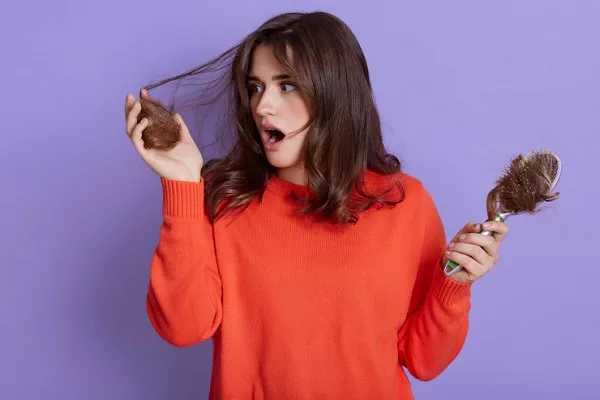
When it comes to hair health, there are many myths and misconceptions that can lead to unnecessary worry. One of the most persistent is the idea that styling your hair causes baldness. While it’s true that certain hairstyles and hair products can put stress on the hair and scalp, the reality is much more complex. Myths and misconceptions about hair health often cause unnecessary concern and anxiety.
One enduring myth is that styling your hair causes baldness, leading to widespread worry. Some hairstyles, like tight ponytails or braids, and certain hair products can stress the scalp and hair strands. However, the truth involves more complex factors. Therefore, it is essential to consider these broader factors instead of solely blaming styling your hair for baldness.
Is it true that styling your hair causes baldness?
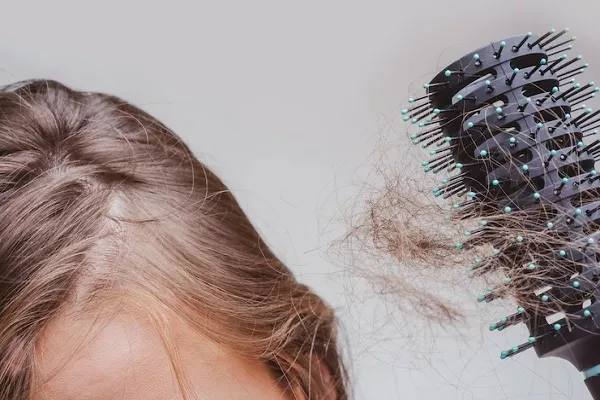
The belief that styling your hair causes baldness is a widely held misconception. While certain hairstyles, such as tight ponytails or braids, can strain the scalp and hair strands, this does not mean all styling leads to permanent hair loss. Temporary shedding may occur due to stress on the hair follicles, but baldness is often tied to factors like genetics and health conditions rather than styling alone.
Additionally, the idea that using products like gels or sprays directly causes baldness is unfounded. These products can cause buildup or irritation if misused, but they do not penetrate deeply enough to damage hair follicles. Understanding the difference between normal hair maintenance and actual hair loss risks allows individuals to enjoy styling without undue fear.
Reasons why styling your hair causes baldness
Different factors cause hair loss, including genes, health issues, and external influences. Genetic factors, the most common cause, stem from hereditary conditions. Hormones like DHT thin the hair over time, but treatments such as medications or procedures can provide relief.
Health conditions also play a significant role in hair loss. Issues like thyroid disorders, anemia, or stress disrupt hair growth cycles. Moreover, external influences, such as frequent use of styling tools, tight hairstyles, or harsh products, can damage hair. Recognizing these distinctions helps in adopting effective prevention and treatment strategies to avoid baldness when styling your hair.
Tips to avoid losing hair when styling
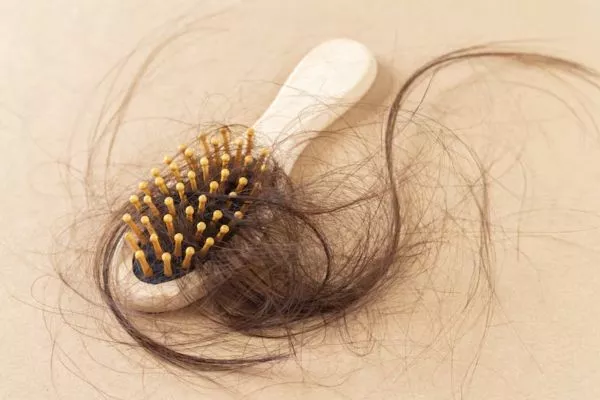
Hair loss is a risk for anyone who regularly subjects their hair to a style that requires it to be pulled very tightly. Hair loss in this manner has a specific name in medicine. This condition is known as traction alopecia. By adhering to the recommendations made by dermatologists, you can lessen the likelihood of experiencing this form of hair loss. Let’s see some tips to prevent styling your hair causes baldness.
Avoid pulling hairstyle
It’s fine to wear your hair pulled back firmly occasionally, but you should refrain from wearing a hairstyle that involves pulling your hair back daily. Repeated pulling and styling of your hair can cause baldness, damage to individual strands, or even hair loss entirely.
If you cause damage to the follicles, your hair will not be able to regrow, and you will have irreversible hair loss as a result. The following are examples of hairstyles that will cause your hair to be pulled on constantly.
- Strikingly pulled-back ponytails, buns, and updos.
- Cornrows.
- Dreadlocks.
- The use of weaves or hair extensions.
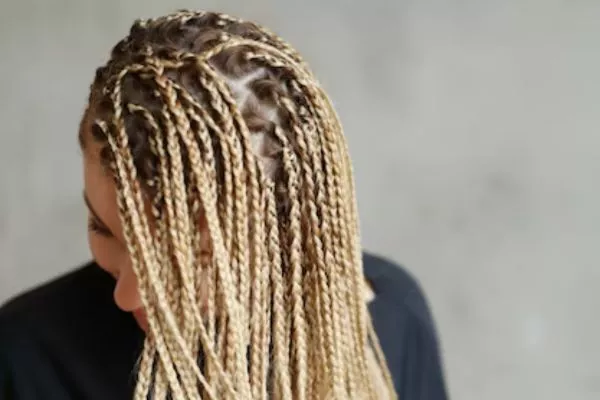
- Tight braids.
Because going to bed with rollers in your hair regularly can also cause hair loss, physicians advise that you reserve this type of hair styling for special occasions only.
Make your hair less tight
The area around your hairline should be where you loosen up a pulled-back hairdo. You can do the following to alleviate the persistent pulling:
- Braids should be loosened, especially around the hairline.
- You should wear a braided style for no more than 2 – 3 months.
- Select thicker locks and braids.
Make some changes
Altering your hairstyle can be another effective way to lessen the tension. When you change your hairstyle, you should wait at least a few weeks afterward to allow the hair some time to recuperate. For instance, after wearing cornrows for a while, you might wish to switch to loose braids or let your hair grow out for a couple of months.
Using weaves and extensions in your hair is an excellent technique to achieve the desired effects of increased volume and length. Make sure to take these measures whenever you put on a weave. To avoid experiencing that styling your hair causes baldness, physicians advise that you:
- You should only wear them for brief periods because the constant pulling on your hair may raise your chances of developing traction alopecia.
- Remove them as soon as possible if they are causing you discomfort or irritating your scalp.
- Instead of ones that employ bonding glue, go with sewed-in weaves.
Go to a hairdresser
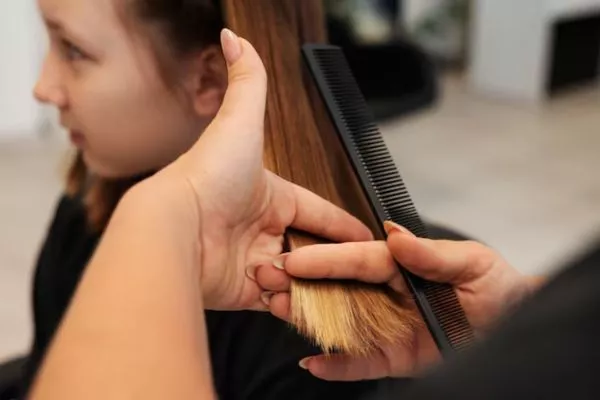
When choosing a chemical relaxer for your hair, ensure your hairstylist has specialized training in this area. A well-trained stylist can select the right product for your hair type, maximizing results while reducing the risk of damage. To confirm their expertise, ask if they have specific training in chemical relaxers.
Equally important is discussing how they will protect your hair’s health during the process. Understanding their techniques and care strategies ensures your safety. It helps you achieve the desired look and reduces the risk of baldness when styling your hair.
Watch out for signs of baldness
If your hairstyle involves frequent pulling, you should check for the following indications of hair loss once a month:
- Broken hairs all over your head.
- An increasingly thin hairline.
- Bald spots caused by over-stretching your hair’s follicles.
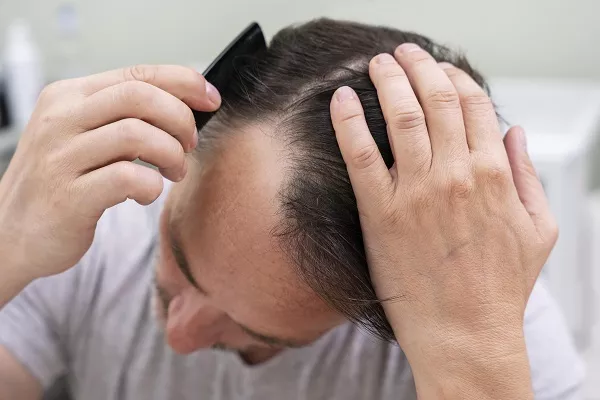
If you observe any of the signs above, it is time to refrain from pulling at the hair so that new hair can grow in its place. Most people will realize that their hair is no longer growing if the pulling continues. You’ll have smooth, hairless skin where your head used to be covered in hair. When traction alopecia has progressed to this stage, it is no longer possible for your hair to grow back.
Avoid excessive combing
Wet or tight-curled hair is particularly susceptible to the tugging and strain caused by a comb. This can damage the hair roots and potentially lead to hair loss. To protect your strands, gently pat your hair dry with a soft towel before reaching for a comb. This technique minimizes the risk of breakage.
Additionally, it’s best to steer clear of combing your hair while using a hair dryer, as the heat coupled with the pulling can exacerbate damage. Instead, allow your hair to air dry naturally; this will help maintain its health and integrity.
Proper use of heated hair tools
Even greasy hair can become increasingly dry and brittle with the frequent use of heat-styling tools like curling irons and straighteners. The intense heat from these devices can strip the hair of its natural moisture, leading to a brittle texture that’s prone to breakage.
To safeguard your locks from damage, it’s essential to use a heat-protective spray or serum before styling. Additionally, always ensure that your hair is completely dry before applying these tools, and avoid using the highest heat settings, which can exacerbate the problem.
What is traction alopecia?
Traction alopecia occurs when prolonged tension from certain hairstyles damages hair follicles, leading to hair loss. For instance, tight ponytails, braids, or buns place constant strain on the scalp, weakening the hair and leading to shedding. This type of hair loss often appears along the hairline and temples, as these areas experience the most stress.
Over time, repeated tension can permanently damage follicles, making regrowth impossible. However, you can intervene by recognizing early signs such as scalp soreness or broken hair. By loosening hairstyles, alternating between styles, and allowing the scalp to rest, you can effectively prevent traction alopecia and maintain healthy hair.
Faq’s
Can using hair products like gels or sprays lead to baldness?
No, hair products like gels, sprays, and mousses do not directly cause baldness. However, overuse or improper application can lead to scalp buildup, irritation, or breakage, which can contribute to temporary hair shedding if not managed properly.
How can I prevent hair loss from styling?
To prevent hair loss, avoid wearing tight hairstyles daily. Use looser styles, alternate between different hairdos, and give your scalp time to recover. Additionally, avoid excessive use of heat styling tools and harsh chemicals, which can also weaken hair over time.
Can hair grow back after traction alopecia?
In the early stages of traction alopecia, hair may grow back if the tension on your hair is reduced. However, if the condition is severe and follicles are permanently damaged, regrowth may not be possible. Early intervention is key to preventing permanent hair loss.
Conclusion
Hair loss is a multifaceted issue influenced by genetics, health conditions, and external factors like hairstyling practices. Some hairstyles and tools may contribute to temporary hair damage or loss. So, yes, styling your hair causes baldness. However, it rarely causes permanent baldness on its own. Understanding the risks associated with tight hairstyles, improper use of products, and heat tools is vital for maintaining hair health.
People can effectively protect their hair by adopting gentler styling habits, consulting professionals for specialized treatments, and recognizing early signs of hair damage. Awareness and proactive care are essential to debunk myths and ensure that styling one’s hair does not lead to baldness.
At Capilclinic, we’re trusted by thousands of patients in the UK and Europe as a leading Hair Transplant Clinic in Turkey and Spain, known for our expert doctors, advanced facilities, natural hairline results, and affordable all-inclusive packages. Reach out to our team today to start your transformation.