




Clinics offering the best hair transplants in Turkey emphasize the importance of sleep positioning and hygiene. Understanding hair transplant fees also helps assess the value of postoperative care. By prioritizing proper sleep habits, avoiding trauma to the scalp, and adhering to medical advice, patients increase the success rate of their hair restoration journey and encourage optimal regrowth.
Optimal positions to sleep after a hair transplant
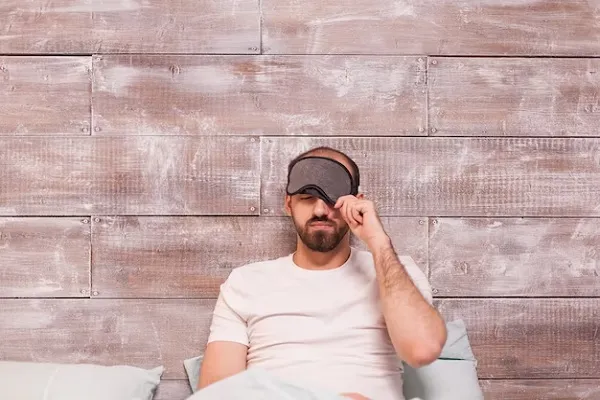
After around ten days, once the implants have securely settled, you can safely resume your usual sleeping position from before the graft. At this point, you may also resume washing your hair, but exercise caution—avoid wearing caps, helmets, or any items that might exert pressure on the scalp and affect healing. As the first month post-intervention concludes, we enter a phase of rest where sun protection remains essential to protect the delicate transplanted area.
Interestingly, there is no need for any specific care even during hair washing, but gentle handling is advised. Initially, the transplanted hair may seem thin and fragile, gradually gaining thickness until, approximately a year later, it matches the strength and density of the non-transplanted follicles on our scalp. This timeline applies regardless of the hair transplant method, including the widely used FUE hair transplant technique.
What does it mean to sleep on your back after a hair transplant?
Ensuring a good night’s sleep involves more than just duration; it also depends on the quality of your rest and how you position your head. Sleeping on your back is often recommended by experts for several important reasons. This position aligns the head, neck, and spine, promoting a natural and neutral posture that supports overall healing. Sleeping on your back after a hair transplant helps prevent unnecessary pressure or friction on the newly implanted grafts, reducing the risk of damage during the critical early recovery period.
Additionally, this alignment can help reduce the risk of developing musculoskeletal issues, such as back and neck pain, over time. Furthermore, back sleeping minimises facial pressure, which decreases the likelihood of waking up with sleep lines or wrinkles. Maintaining this position during the first days after your procedure is crucial to protect your investment and promote optimal regrowth.
Tips for preventing rolling over in your sleep after a hair transplant
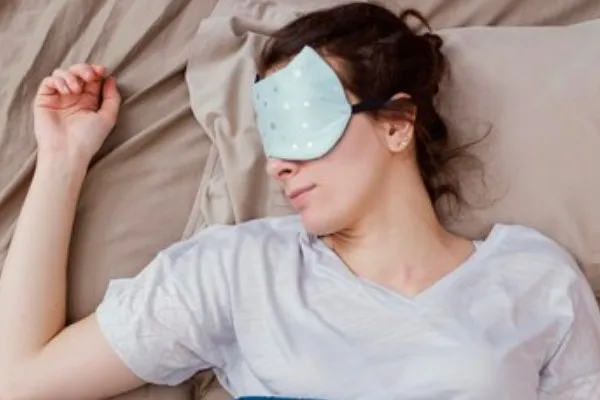
Maintaining a back-sleeping position after a hair transplant is crucial for protecting the grafts. However, staying on your back all night can be difficult. Here are some helpful tips for preventing rolling over after a hair transplant:
- Choose a supportive mattress and pillows that encourage sleeping on your back.
- Try different pillow placements to find the most comfortable position for your head and neck.
- Use body pillows alongside you to block rolling onto your side or stomach.
- Gradually train yourself to sleep on your back by making small nightly adjustments.
- Using a travel pillow for support can also help. Though designed for travel, these pillows provide excellent neck support and promote proper spinal alignment. At home, they act as a handy tool to improve comfort and keep you sleeping on your back.
By applying these hair transplant before and after sleeping strategies, you can protect your hair transplant and promote better healing during sleep.
Alternatives to sleeping on your back

Although sleeping on your back is often recommended after a hair transplant, it isn’t the best option for everyone. Some people, especially those with conditions like sleep apnea or snoring, may find side sleeping more comfortable and beneficial. To make side sleeping safer and more supportive:
- Use a firm pillow that keeps your head and neck aligned with your spine.
- Place a pillow between your knees to reduce pressure on your hips and lower back.
- If you prefer sleeping on your stomach, opt for a thin pillow to minimise neck strain and maintain comfort.
Choosing the right sleeping position plays a major role in your overall health and recovery. While back sleeping generally offers the best protection for your transplant, it’s important to find a position that feels comfortable and suits your personal needs. Trying different pillows and making gradual adjustments can help you enjoy a more restful, healing sleep.
Is it ok to elevate the head to sleep after a hair transplant?
Head elevation refers to the practice of raising the upper part of the body, particularly the head and upper torso, while resting or sleeping. This can be achieved through various means, such as using pillows to create an incline, adjusting the bed angle, or using specialised furniture like adjustable beds or recliners.
The purpose of head elevation is to derive certain health benefits, including alleviating conditions like acid reflux, reducing snoring, improving airflow, enhancing circulation, and mitigating sinus congestion. The angle and method of head elevation can vary based on individual preferences and specific health considerations, as well as the hair transplant fees.
Advantages of head elevation

Elevating the head after a hair transplant means raising your upper body while resting or sleeping. You can do this using pillows, adjustable beds, or recliners to create a gentle incline that supports recovery and comfort throughout the night. Head elevation offers many health benefits beyond comfort. It plays a crucial role in promoting healing and preventing complications during the first days after a hair transplant.
- Alleviating acid reflux: It helps reduce acid reflux by preventing stomach acid from flowing back into the oesophagus, which is especially helpful when you’re required to rest more.
- Reducing snoring and sleep apnea: It improves airflow, which can reduce snoring and ease mild sleep apnea. Enhanced breathing can help you achieve deeper, more restful sleep after a hair transplant, which is essential for recovery.
- Enhancing circulation: It promotes better circulation, supporting overall healing by reducing swelling and improving blood flow to the scalp.
- Mitigating sinus congestion: It eases sinus congestion, especially for those with allergies or sinus issues. This added benefit can make a significant difference in sleep quality, especially during the early stages of post-operative care when comfort is key.
How to properly elevate the head to sleep after a hair transplant
Understanding how to elevate your head correctly ensures that you maximise the benefits while minimising any potential drawbacks. Here’s a guide to help you achieve optimal head elevation:
- Choose the right angle: Aim for a 30 to 45-degree incline for the best balance between comfort and effectiveness.
- Utilise supportive pillows: Use supportive pillows under your head, neck, and upper back to keep your spine aligned and reduce pressure on the newly transplanted area.
- Consider adjustable beds: Adjustable beds offer convenient control over your sleeping angle, ideal if you have special health needs or require regular changes in position.
- Experiment with sleep positions: Adjust pillow placement or the incline based on your preferred sleep position for optimal comfort and reduced tension on the scalp.
By elevating your head correctly, you can support healing and enjoy a more comfortable night’s rest after your procedure. Always consult your surgeon for personalised advice regarding sleeping and follow post-operative instructions closely to ensure the best outcome.
The role of Recliners while sleeping after a hair transplant

Sleep after a hair transplant plays a vital role in recovery and directly influences the success of the procedure. For individuals searching for alternatives to traditional sleeping positions, recliners can serve as a highly practical option. Using a recliner can reduce swelling and prevent accidental contact with the transplanted area, especially during the initial recovery days. It also helps maintain an elevated position, which is essential to avoid pressure on sensitive grafts.
- Choose an ergonomic recliner: Select a recliner that provides adequate lumbar and neck support. An ergonomically designed recliner promotes proper spine alignment while ensuring maximum comfort during extended rest periods. Look for models with adjustable headrests and footrests to suit your individual needs and recovery posture.
- Experiment with positions: Many recliners come with several reclining angles. It’s important to try different positions until you discover the one that offers optimal support and comfort. Maintaining the right angle helps improve blood circulation, minimises the risk of graft displacement, and encourages effective healing. This is especially beneficial when you are required to sleep for several nights in an upright position.
- Consult with healthcare professionals: Individuals with medical conditions such as back problems or respiratory issues should always consult their healthcare provider before making the use of recliners a consistent part of their post-operative care. They may recommend custom adjustments or provide guidance for safely integrating recliner use into your routine.
Incorporating head elevation—either through specialised pillows or recliners—offers essential support during your recovery phase. It aligns with recommended care protocols and promotes faster healing. Many patients who opt for the best hair transplants Turkey adopt this approach for its proven comfort and medical benefits. Understanding and applying these practices ensures a smoother and more effective recovery experience.
Conclusion
Sleep after a hair transplant plays a vital role in ensuring a smooth recovery and achieving optimal results. By adopting the right sleeping position and protecting the transplanted area from friction and pressure, you help your scalp heal without unnecessary complications. This stage of recovery should not be overlooked, as even minor disruptions can impact the outcome of your procedure.
During the first few nights, patience and discipline are key. Sleeping with your head elevated, avoiding direct contact with pillows, and using travel neck pillows can make a noticeable difference. It may feel uncomfortable at first, but these precautions are temporary and greatly benefit the healing process.
Additionally, keeping your sleeping area clean and avoiding sudden movements during the night will minimise the risk of infection or dislodging grafts. As the days pass, you can gradually return to your normal sleep routine, but always follow your surgeon’s guidance to ensure full recovery.
If you’re considering a hair transplant and want to ensure the best possible outcome—including how to properly sleep after a hair transplant—visit our website at capilclinic.uk. Our team of experienced professionals is here to guide you every step of the way and help you restore your confidence with expert care.
At Capilclinic, we’re trusted by thousands of patients in the UK and Europe as a leading Hair Transplant Clinic in Turkey and Spain, known for our expert doctors, advanced facilities, natural hairline results, and affordable all-inclusive packages. Reach out to our team today to start your transformation.