



Salicylic acid, a molecule with diverse properties and a significant historical background in the field of skincare. Has progressively gained recognition as a prominent contender within the domain of hair care. The beta-hydroxy acid, known for its effectiveness in addressing skin issues. Has now been identified as a potential solution for promoting the health and vitality of hair. In this article we will talk about Salicylic acid for hair
You may also like: Activated Carbon for Hair
Definition of Salicylic Acid
Salicylic acid, which is obtained from the bark of willow trees, is classified as a member of the beta-hydroxy acids (BHAs) family. The substance in question is widely recognized for its exfoliating and anti-inflammatory characteristics, making it a dominant component in skincare products. It has gained a reputation for effectively addressing acne, promoting the clearance of pores, and enhancing the overall texture of the skin.
In addition to its conventional application in skincare, salicylic acid has begun to gain traction in the realm of hair care. The potential of its exfoliating properties and anti-inflammatory qualities is currently being investigated in relation to scalp health maintenance and hair vitality promotion. Salicylic acid is used in hair care to exploit its exfoliating properties, which aid in the elimination of dead skin cells, surplus sebum.
And contaminants that have the potential to build on the scalp. The substance has the ability to permeate the dermal layer and hair follicles, facilitating the process of purifying and rejuvenating the scalp. So potentially augmenting the overall well-being of the hair from its origins.
This blog will explore the advantages of salicylic acid and offer valuable perspectives on its most effective application within hair care regimens. It is vital for those who desire to effectively and innovatively care for their hair and scalp to possess knowledge regarding the prospective benefits and appropriate usage recommendations of salicylic acid.
Properties and Mechanism of Action
The properties of salicylic acid make it suitable for application in hair care. The scalp benefits significantly from its ability to exfoliate and remove blockages in the pores. This molecule functions by effectively permeating the dermis and hair follicles. Thereby dissolving the intercellular adhesive substance responsible for maintaining the cohesion of the outermost layers of epidermal cells.
As a result, it facilitates the exfoliation of deceased epidermal cells, removing the scalp of detritus and dislodging obstructions within hair follicles. The anti-inflammatory qualities of salicylic acid make it a very suitable choice for the management of scalp problems, including dandruff and seborrheic dermatitis. This product has been found to possess the ability to decrease redness and provide relief to inflamed skin on the scalp.
Compatibility with Different Hair Types
Salicylic acid demonstrates compatibility with diverse hair types, albeit with certain restrictions. Salicylic acid possesses exfoliating properties that can be beneficial for persons with oily or combo hair types. As it aids in the regulation of excessive sebum production and promotes scalp equilibrium. Individuals who possess dry or sensitive scalps should exercise caution, as improper usage of certain dosages and formulations may potentially worsen dryness or irritation.
The comprehension of hair and scalp type is crucial in ascertaining the appropriate frequency. And concentration of salicylic acid products that are suited for application. Milder formulations are frequently suggested for persons with dry or sensitive scalps. Whereas stronger formulations may be more appropriate for those with oily or dandruff-prone scalps.
Benefits of Salicylic Acid for Hair
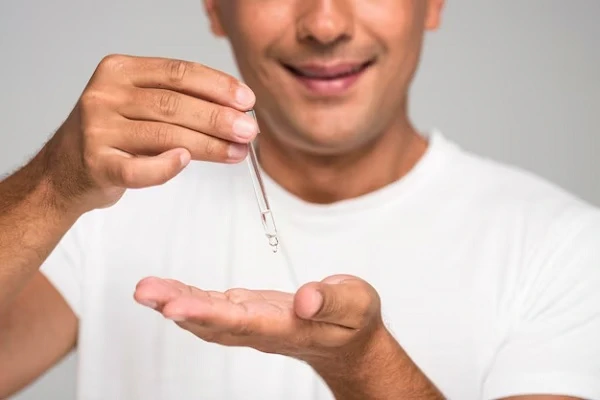
Some of the benefits of salicylic acid includes:
Cleansing and Exfoliating Scalp
The exfoliative properties of salicylic acid make it highly beneficial for maintaining scalp health. As it permeates the dermal layer, it facilitates the elimination of deceased epidermal cells, surplus sebum, and contaminants that may amass on the cranial integument. The process of cleansing facilitates the removal of impurities from the pores. Hence reducing the likelihood of obstructions that may hinder the growth of hair and give rise to complications on the scalp.
Clearing Scalp Build-up and Dandruff
One of the most prominent advantages associated with the use of salicylic acid in hair care pertains to its efficacy in addressing scalp conditions such as dandruff. And seborrheic dermatitis. The anti-inflammatory characteristics of this substance provide relief to inflamed skin. While its exfoliating capabilities aid in the reduction of skin flakiness and the elimination of dandruff.
Salicylic acid has the potential to mitigate the symptoms of dandruff by effectively disintegrating the accumulation of deceased epidermal cells and detritus on the scalp. This action not only offers relief but also fosters a more favourable environment for scalp health.
Promoting Hair Growth and Health
Hair growth begins with a healthy scalp. Due to salicylic acid’s ability to prevent build-up on the scalp, it promotes healthy hair development. It promotes healthy hair development by creating optimal circumstances for hair follicles to grow in. Which they do by thoroughly cleansing and stimulating the scalp.
Salicylic acid is able to penetrate the scalp and clear the skin on your head.
It gently exfoliates the top layer of skin, making rough skin more pliable in the process. Dead skin cells are dissolved by salicylic acid, while the skin’s new pH balance and hydration levels are improved. You shouldn’t rub the versatile acid into your skin too harshly or it will cause irritation.
Salicylic acid reduces oily build-up from the scalp.
Salicylic acid excels at eliminating waxy sebum, which can paradoxically lead to dry skin issues.
Salicylic acid controls dihydrotestosterone.
Dihydrotestosterone (DHT), alternatively referred to as DHT, is a hormone that predominantly exerts its effects on males. The enzyme in question functions to inhibit the growth of follicles, resulting in reduced hair growth. This is the reason why a significant proportion of males, specifically 40%, utilize anti-dandruff shampoos for 40% of their hair washing occasions. But ladies employ such products only 21% of the time. The utilization of salicylic acid has been found to potentially mitigate the presence of dihydrotestosterone (DHT) on the scalp. Hence potentially leading to a reduction in hair loss and an increase in hair regrowth.
How to Use Salicylic Acid for Hair
The use of salicylic acid in hair care requires careful attention in order to ensure safe and efficient use. Some of the ways to use salicylic acid includes:
Choosing the Right Products
The careful selection of hair care products that include salicylic acid in suitable amounts is of utmost importance. It is imperative to select hair care products, such as shampoos, scalp treatments. Or tonics that include salicylic acid in varying doses to cater to certain scalp issues.
Application Methods for Scalp and Hair
To get the most out of products containing salicylic acid, they should be applied directly to the scalp and left there for a brief time. The scalp can be effectively exfoliated and cleansed by gently massaging the cream into the scalp and letting it sit for a few minutes.
Frequency and Safety Measures
The frequency of utilization is a crucial element. It is recommended to initiate usage of the product at a lower frequency and subsequently raise it gradually, taking into account the strength of the product and the specific characteristics of the individual’s scalp.
Adherence to the prescribed guidelines accompanying the product is of paramount importance in order to mitigate the likelihood of encountering potential adverse effects, including but not limited to dryness and irritation.
Salicylic Acid vs. Other Hair Care Ingredients
Salicylic acid has a prominent position within the domain of hair care constituents, each possessing its own individual attributes and applications. By juxtaposing it with other often employed hair care ingredients. One can gain insight into its distinctive advantages and its notable differentiation amidst the assortment of alternatives at hand.
Contrasting Salicylic Acid with Other Hair Ingredients
Salicylic acid, renowned for its exfoliative and anti-inflammatory characteristics, has distinct differences when compared to alternative constituents found in hair care products. For example, ketoconazole is predominantly recognized for its antifungal properties and is commonly used in anti-dandruff shampoos. With a specific focus on addressing scalp-related disorders.
In contrast, glycolic acid and lactic acid, which are exfoliants, are often used in skincare products, while their presence in hair care products is quite infrequent.
Precautions and Considerations
When adding salicylic acid to your hair care routine, you need to be aware of possible sensitivities and how it might react with other products. You also need to get professional advice and test your hair first to make sure you are using it safely and effectively.
Allergic Reactions and Sensitivities
Although salicylic acid is generally well-tolerated, certain individuals may develop allergic responses or hypersensitivity to this compound. It is vital to possess knowledge regarding potential indicators of sensitivity, like the presence of redness, itching, or discomfort. It is advisable to do a patch test prior to complete application in order to assess the presence of any unfavourable reactions. It is imperative to discontinue usage if any indications of allergic reactions or sensitivities manifest.
Interaction with Different Hair Treatments
Some hair treatments and products may not work as well with salicylic acid, or it may have unwanted side effects. An increase in skin irritation has been linked to the use of salicylic acid in combination with other exfoliating agents. In addition, salicylic acid may not be suitable for use with some hair colouring or chemical treatments.
Because of the possibility of negative interactions between salicylic acid and other hair treatments. It is best to get the advice of a dermatologist or hair care professional before combining the two.
Consultation and Patch Testing Recommendations
It is strongly advised to get guidance from a healthcare practitioner or dermatologist before integrating salicylic acid into one’s hair care regimen. Particularly for persons with pre-existing scalp issues or sensitive skin. The professionals are capable of offering assistance in the selection of products, determining suitable concentrations. And advising on the frequency of usage, all customized to meet the specific requirements of each individual’s scalp.
Performing a patch test is an essential procedure that should be undertaken prior to the application of any product containing salicylic acid onto the scalp. It is advisable to apply a little quantity of the product to an inconspicuous region, such as the area behind the ear. And observe for any unfavourable responses over a span of 24 to 48 hours. This precautionary approach is recommended for safety purposes. The patch test serves the purpose of identifying probable allergic reactions or sensitivities. Hence enabling modifications in usage or selection of products as deemed necessary.
Final Thought
In conclusion, salicylic acid offers a range of advantages for hair care, encompassing scalp exfoliation, dandruff management. And the creation of a conducive environment for supporting strong hair development. In order to ensure efficient use, it is important to carefully choose suitable products, do patch tests. And consult with professionals to safely integrate them into hair care regimens.
The investigation of salicylic acid presents a potential avenue for promoting scalp well-being and enhancing the vitality of hair. One should approach the possible benefits of incorporating this product into their hair care routine with caution, taking into consideration the necessary safeguards. By doing so, one can observe the notable difference it can make in the overall quality of their hair care regimen