



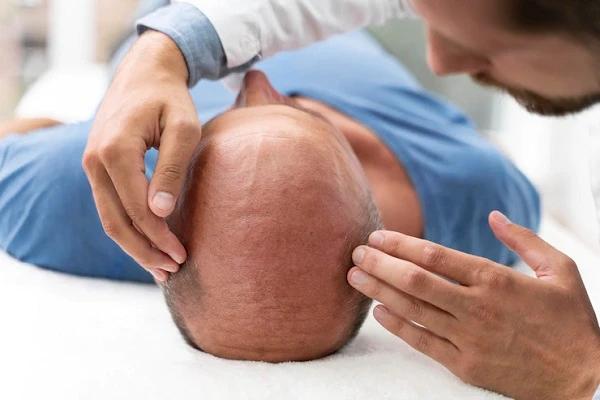
Alopecia, or hair loss, is a condition that affects millions of people around the world, impacting not only their physical appearance, but also their self-esteem and emotional well-being. In response to this problem, hair transplantation has emerged as an effective and increasingly popular solution. However, the risk of hair transplant rejection is a common concern among patients considering this procedure.
Hair transplantation involves the transfer of hair follicles from a donor to a recipient area, and has proven to be a viable option to restore lost hair and improve patients’ quality of life. Unlike other types of transplants, such as organ transplants, hair transplantation is an autotransplant, meaning that the follicles come from the patient themselves, significantly reducing the risk of rejection.
This article aims to explore in depth the risk of rejection in hair transplants, providing clear, evidence-based information for those considering undergoing this procedure.
Is there a risk of hair transplant rejection?
Concept of autotransplantation
Hair transplantation is a surgical procedure in which hair follicles are transferred from a donor area to a recipient area of the same patient. This type of intervention is known as autotransplantation, since the donor and recipient are the same person. This is essential to understand why the risk of rejection is practically non-existent in hair transplants.
In an autotransplant, hair follicles are extracted from areas of the scalp where the hair is genetically resistant to falling out, such as the back and sides of the head. These donor areas are not affected by the hormone dihydrotestosterone (DHT), which is primarily responsible for androgenetic alopecia. By using the patient’s own hair, the body does not recognize the transplanted follicles as foreign elements, which eliminates the possibility of rejection.
Difference between autologous transplantation and transplantation from an external donor
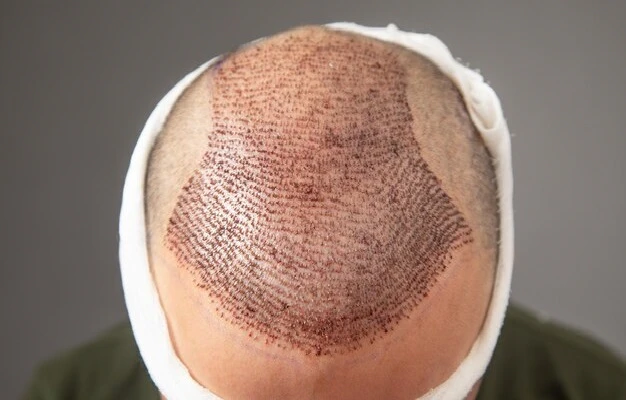
In contrast, organ or tissue transplants from external donors carry a significant risk of rejection. In these cases, the recipient’s immune system may identify the transplanted organ or tissue as a foreign body and attack it. To prevent this, patients must take lifelong immunosuppressive drugs, which can have serious side effects.
In the case of hair transplantation, immunosuppressive drugs are not required because the body accepts the transplanted follicles as its own. This makes the procedure much safer and with fewer long-term complications.
Risk Of Hair Transplant Rejection
The risk of rejection in hair transplantation is practically nil due to the autologous nature of the procedure. The transplanted hair follicles continue to grow in the new location with the same characteristics as they had in their original location. This is because the follicles maintain their original genetic programming, which allows them to continue producing hair normally.
In addition, modern hair transplantation techniques, such as follicular unit extraction (FUE) and follicular unit transplantation (FUT), have significantly improved the success rate of the procedure. These techniques allow for a more precise extraction and implantation of hair follicles, which minimises damage to the follicles and improves the survival rate.
Comparison with other types of transplantation
To better understand the safety of hair transplantation, it is useful to compare it with other types of transplants. In organ transplants, such as kidney or heart transplants, the risk of rejection is a constant concern. Patients must undergo compatibility testing and take immunosuppressive drugs to prevent rejection. Even with these precautions, the risk of rejection is never completely eliminated.
In contrast, hair transplantation does not face these challenges. As a self-transplant, the body has no reason to reject the transplanted follicles. This makes hair transplantation a much safer and more affordable option for those seeking a solution to hair loss.
Factors that may affect transplant success
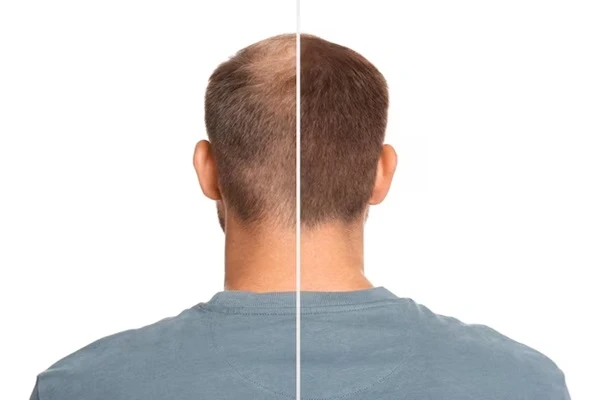
Donor hair quality
The quality of the donor hair is one of the most critical factors in the success of a hair transplant. Hair follicles are harvested from areas of the scalp that are genetically resistant to hair loss, such as the back and sides of the head.
The density and health of these follicles largely determines the outcome of the transplant. If the donor area has low density or weakened follicles, the transplant may not be as effective. In addition, the texture and thickness of the donor hair also play an important role in the final appearance of the transplant.
Surgeon skill
The surgeon’s experience and skill are critical to the success of hair transplantation. A surgeon experienced in advanced techniques, such as follicular unit extraction (FUE) and follicular unit transplantation (FUT), can maximise the survival rate of transplanted follicles and minimise damage to surrounding tissues.
Precision follicle placement is crucial to achieve a natural appearance and avoid complications such as visible scarring or irregular hair growth.
Post-operative care
Postoperative care is essential to ensure the survival of the transplanted follicles and prevent complications. Patients should strictly follow the surgeon’s instructions. Which may include avoiding sun exposure, not scratching the transplanted area, and using specific hair care products.
In addition, it is important to attend all follow-up appointments to monitor progress and address any problems that may arise.
Possible complications and how to deal with them
Although hair transplantation is generally safe, complications can occur. Some of the most common include:
- Infections: Although rare, infections can occur if proper hygiene protocols are not followed. The use of antibiotics and careful cleaning of the transplanted area can prevent and treat infections.
- Scarring: Scar formation is a concern, especially with the FUT technique, which involves a linear incision. However, modern techniques and surgeon skill can minimise scarring.
- Temporary loss of transplanted hair (shock loss): It is common for transplanted follicles to enter a resting phase and the hair temporarily falls out before regrowth. This phenomenon is normal and hair usually starts to grow back after a few months.
- Swelling and redness: Swelling and redness in the donor and recipient area are common and usually disappear within a few days with appropriate treatment.
- Numbness: Temporary loss of sensation in the treated areas is common and usually resolves within a few weeks.
Importance of the choice of practitioner
Choosing a qualified and experienced surgeon is crucial to minimising the risks and maximising the results of hair transplantation. Patients should research the surgeon’s credentials, read reviews from other patients and, if possible, view before and after photos of previous procedures. A detailed initial consultation is also important to discuss expectations, the treatment plan and any concerns the patient may have.
Innovations and advances in hair transplants
New techniques and technologies
The field of hair transplantation has seen significant advances in recent years, with innovations that have improved both the efficacy and safety of procedures. One of the most notable innovations is robotic hair transplantation. Systems such as ARTAS use artificial intelligence and robotics to assist in the extraction and placement of hair follicles. These systems can perform procedures with a precision. And consistency that reduces the risk of human error and improves the survival rate of transplanted follicles.
Another innovative technique is Direct Follicular Unit Extraction (DHI). Which allows direct implantation of follicles without the need to create prior incisions in the recipient area. This not only reduces recovery time, but also minimises trauma to the scalp and improves the density of the transplanted hair.
Use of stem cells and PRP
The use of stem cells in hair transplantation is one of the most promising areas of research. Stem cells have the ability to regenerate and repair tissue. Making them a potentially powerful tool for improving hair transplant outcomes. Recent research has shown that injecting stem cells into the scalp can stimulate the growth of new hair follicles and improve the health of existing follicles.
Platelet Rich Plasma (PRP) is another innovation that has gained popularity. PRP is obtained from the patient’s own blood and injected into the scalp to promote tissue regeneration and hair growth. This treatment is often used in combination with hair transplantation to improve the survival rate of transplanted follicles and speed recovery.
Gene therapies and innovative medicines
Gene therapy is an emerging frontier in the treatment of hair loss. Researchers are exploring ways to modify specific genes associated with baldness to prevent or reverse the process. Although still in experimental stages, gene therapy could offer a long-term solution to baldness by addressing the underlying cause at the molecular level.
In addition, new drugs are being developed that may complement hair transplants. For example, JAK (Janus kinase) inhibitors have shown potential in preliminary studies to treat certain types of alopecia by interfering with inflammatory pathways that contribute to hair loss.
Future trends
The future of hair transplantation seems to be geared towards greater customisation and precision. The combination of advanced technologies, such as robotics and bioengineering, with biological treatments, such as stem cells and PRP, promises to offer more natural and long-lasting results. In addition, ongoing research into gene therapies and new drugs could revolutionise the way hair loss is addressed in the coming years.
Conclusion Risk Of Hair Transplant Rejection
Hair transplantation has emerged as an effective and increasingly popular solution to combat alopecia and restore self-confidence. Throughout this article, we have explored various aspects related to the risk of hair transplant rejection. Highlighting that due to the autologous nature of the procedure, this risk is virtually non-existent. This is because the transplanted hair follicles come from the patient themselves. Eliminating the possibility of the body re-growing them as foreign elements.
In addition, we have analyzed the factors that can influence the success of the transplant. Such as the quality of the donor hair, the skill of the surgeon, and post-operative care. These elements are crucial to ensure optimal results and minimize complications. We have also discussed the potential complications that may arise and how to manage them. Underlining the importance of following medical recommendations and choosing a qualified professional.
Innovations and advances in the field of hair transplantation. Such as the use of stem cells, PRP, and robotic techniques, are transforming this procedure, making it safer and more effective. These technologies promise to further improve outcomes and offer customized solutions for each patient.
In summary, hair transplantation is a safe and viable option for those seeking a lasting solution to hair loss. With continued advances in technology and research. The future of hair restoration looks promising, offering new hope to those suffering from alopecia. It is essential that patients are properly informed, choose experienced professionals. And follow post-operative recommendations to maximize the benefits of this procedure.