



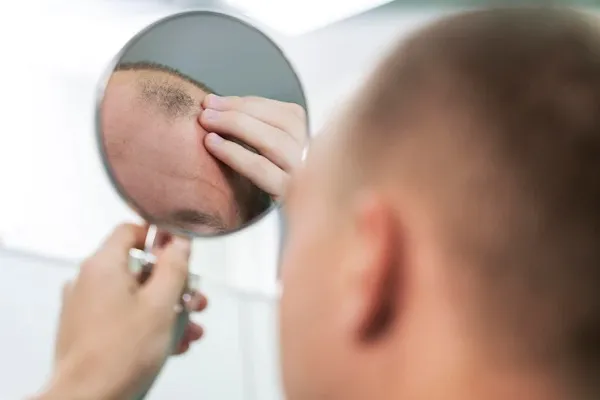
Repaired hair graft procedures are essential when initial transplant results don’t meet expectations or complications arise during recovery. Hair transplants have revolutionised how we deal with hair loss, offering renewed confidence and a chance to restore a youthful appearance. The process doesn’t end after surgery. Patients must focus on maintaining the health and appearance of transplanted follicles to achieve long-term, natural-looking results. Each phase of recovery plays a role in the final outcome, making post-operative care as vital as the transplant itself.
In this detailed guide, we will explore the complex process of repairing hair grafts, from recognising early signs of failure to identifying the best available solutions. Some individuals seek improvements after unsatisfactory outcomes in procedures abroad, particularly in destinations known for affordability and quality, like hair transplant Antalya. Knowing what steps to take early can make all the difference in the success of a revision procedure.
You’ll also gain insights into managing expectations when reviewing hair transplant before and after results, especially if your experience hasn’t delivered the density or natural look you desired. Repair strategies often involve correcting the direction or placement of grafts, filling patchy areas, or restoring density in sections that didn’t retain grafts properly. Additionally, understanding hair transplant for men requires awareness of how male pattern baldness impacts long-term planning for both initial and corrective surgeries.
Repaired hair graft solutions are increasingly sought after, especially among patients who’ve undergone low-cost procedures and are now exploring second opinions. Reading hair transplant Turkey reviews can be useful for comparing clinic experiences and assessing outcomes. No matter your situation, knowledge is power. Equipped with the right information and expert guidance, you can reclaim both your hair and your confidence through effective graft restoration.
What is a repaired hair graft and how can it be?
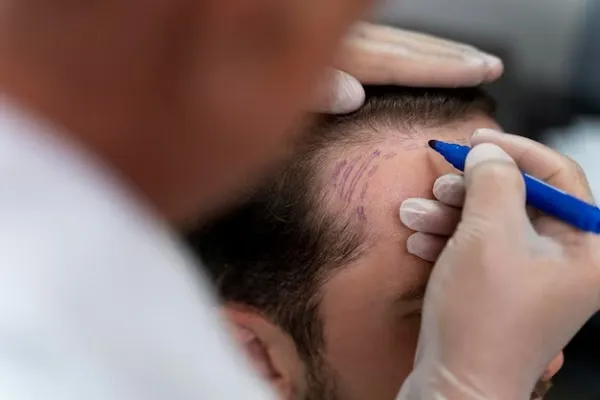
A hair graft, also known as a hair follicular unit, is a small cluster of hair follicles that is carefully extracted from one area of the scalp and transplanted to another area where hair growth is desired. These grafts, which typically contain one to four individual hairs, are the building blocks of a successful hair transplant procedure. A repaired hair graft refers to the restoration or correction of a previously damaged or poorly executed hair transplant.
The process of hair grafting involves meticulously extracting these follicular units, either through a technique called Follicular Unit Extraction (FUE) or Follicular Unit Transplantation (FUT), and then implanting them into the targeted areas of the scalp. This allows for the natural growth and integration of the transplanted hair, resulting in a natural-looking, fuller head of hair. The effectiveness of a repaired hair graft relies heavily on proper technique and post-operative care, which are both crucial for optimal healing and aesthetic outcomes.
The good news is that in many cases, yes, a hair graft can be repaired or restored after a hair transplant procedure. However, the extent and success of the repair process can depend on several factors, including the cause of the graft’s damage or failure, the timing of the intervention, and the skill of the hair restoration specialist. Patients are encouraged to review hair transplant before and after results to understand realistic expectations and outcomes.
What are the causes of a damaged hair graft?
Repaired hair graft treatments are often necessary when a transplant doesn’t deliver the expected results. Understanding the root causes can help prevent further issues and support a successful outcome. Patients undergoing a hair transplant Antalya or anywhere else must be aware of these common factors. This is especially important in cases of men, where density and growth patterns are crucial to achieving natural-looking results.
1- Inadequate blood supply
Hair graft survival depends heavily on an adequate and healthy blood flow to the recipient site. If the grafts do not receive sufficient oxygen and nutrients, they may fail to anchor and grow. This often happens when the scalp has reduced vascularity due to prior surgeries, scarring, or naturally poor circulation.
In such cases, even technically perfect surgery can lead to partial or complete graft failure. To prevent this, surgeons assess blood supply in advance and may recommend measures like PRP therapy to improve circulation before and after the procedure.
2- Infection or inflammation
Infection following surgery is one of the most preventable causes of hair graft damage. Poor hygiene or improper aftercare can introduce bacteria, leading to inflammation that disrupts the healing process. This inflammatory response can destroy newly implanted follicles before they integrate.
Similarly, excessive swelling or immune overreactions can also compromise the surgical site. Antibiotics, anti-inflammatory medication, and careful follow-up are critical in the early stages of recovery to maintain graft integrity and avoid repair procedures.
3- Mechanical damage
Physical trauma to the transplanted area is another major cause of graft failure. Actions such as scratching the scalp, wearing tight headgear, or sleeping without head protection can displace fragile grafts. Even rubbing the area while showering may result in significant loss during the initial healing phase.
To safeguard the results, clinics provide strict post-op guidelines that limit contact with the scalp for several days or even weeks. Gentle handling, the use of special pillows, and avoiding strenuous activity are all part of this protective strategy.
4- Genetic or hormonal factors
Not all failures are caused by surgical issues. Genetic predispositions or hormonal imbalances can make patients more prone to continued hair loss, even after a transplant. Some men experience progressive hair thinning that can affect both natural and transplanted hair after a hair transplant for men.
This is why a long-term treatment plan is crucial. Medications like finasteride or minoxidil may be necessary to stabilise hair loss and support transplant longevity, especially in younger men who may still be experiencing active shedding.
5- Improper graft handling
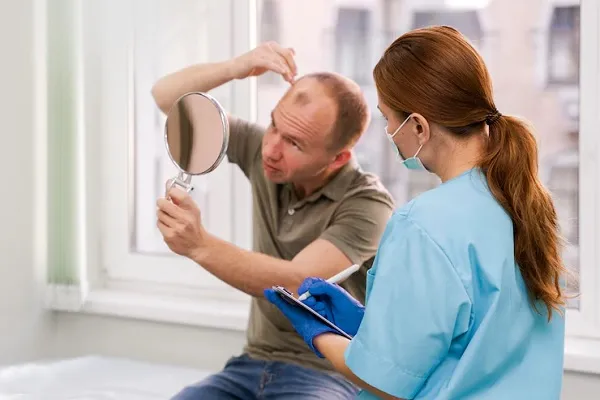
Choosing a clinic with skilled surgeons and advanced equipment ensures that grafts are preserved and placed with the highest standards. Proper technique, gentle handling, and fast implantation times all contribute to better outcomes.
6- Combined repair
The combination repair method is the most common and effective approach for hair transplant repair. Specialists begin by excising large grafts, often called “plugs.” They then re-implant the dissected hair into more suitable areas. To enhance the final results, they perform additional camouflage treatments using hair from the donor site. Together, these steps complete the healing process and improve the overall outcome.
In the mid to late 1990s, most corrective clinics relied solely on camouflage techniques. Over time, specialists found that thorough graft excision before camouflage produced more natural-looking results. This method is especially effective for large grafts near the frontal hairline or those growing in the wrong direction. The combined repair technique is tailored to each patient’s needs but generally follows a series of key steps designed for optimal success.
Can a hair graft be repaired with targeted treatments?
In cases of localized graft damage or poor integration, your hair restoration specialist may recommend targeted interventions, such as:
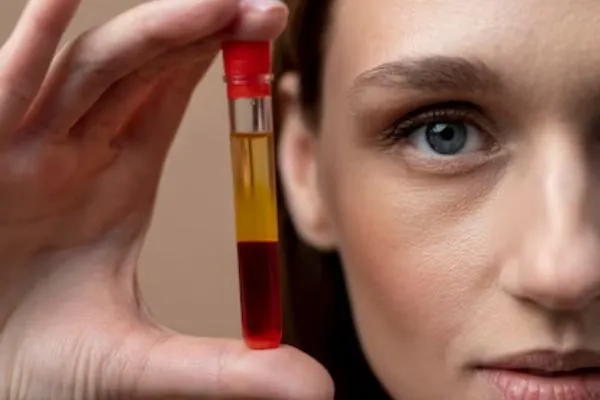
- Platelet-rich plasma (PRP) therapy: This innovative treatment uses the healing properties of a patient’s own blood. First, a small amount of blood is drawn and processed to concentrate the platelets, which contain growth factors. These growth factors stimulate the body’s natural healing mechanisms. As a result, PRP therapy promotes the repair of damaged grafts and enhances their survival. This approach increases the overall success of hair restoration treatments.
- Low-level laser therapy (LLLT): This non-invasive treatment uses specific wavelengths of light to target the affected area. It enhances blood circulation and improves cellular function. By penetrating the skin, the therapy stimulates the underlying tissues and accelerates repair processes. This makes LLLT a valuable addition to the recovery and regrowth of hair grafts. That is especially when used in combination with other treatments.
- Topical medications: Certain topical treatments, such as minoxidil and corticosteroids, are often prescribed to support graft health. These medications work locally to manage inflammation and boost blood flow to the scalp. By creating an optimal environment for graft survival, they contribute to healthier and more successful outcomes in hair restoration.
How to repair a damaged hair draft?
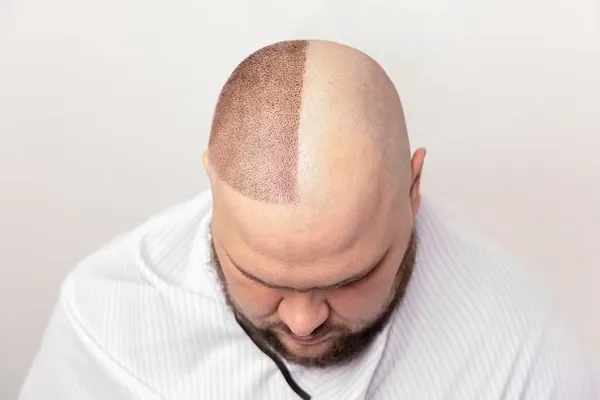
If a hair graft has become damaged or is not thriving as expected, there are several strategies that can be employed to attempt a repair or restoration. The specific approach will depend on the severity of the issue and the underlying cause.
1- Prompt intervention
Time is of the essence when it comes to repairing hair grafts. The sooner any issues are identified and addressed, the better the chances of successful restoration. Regular follow-up appointments with your hair restoration specialist are crucial to catch and address any problems early on.
2- Proper graft management
Ensuring that the transplanted hair grafts are meticulously cared for during the recovery process is essential. This involves strictly following all post-operative instructions provided by your specialist. It also means avoiding activities that could cause trauma or disrupt the grafts. Additionally, maintaining a clean and healthy scalp environment plays a crucial role in ensuring successful healing and graft survival.
3- Graft relocation or reattachment
In critical situations, when the original graft cannot be repaired, your specialist may suggest relocating or reattaching the follicular unit. This delicate procedure involves transferring the graft to a healthier recipient site with optimal conditions for healing and integration.
This approach focuses on salvaging the compromised graft to improve its chances of successful integration. By addressing graft failure directly, the specialist enhances the effectiveness of the hair restoration process. Ultimately, this strategy ensures better aesthetic results and contributes to the overall success of the procedure.
4- Revision surgery
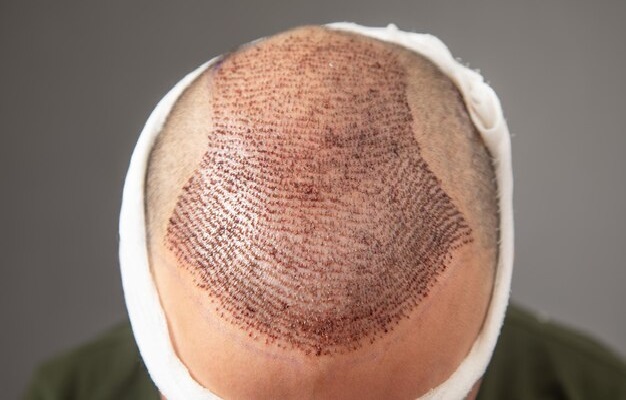
Sometimes, a revision hair transplant becomes necessary to address issues like widespread graft failure or unsatisfactory results from earlier procedures. During an in-depth evaluation, your specialist carefully examines the condition of the grafts and identifies areas needing improvement.
This detailed reassessment enables targeted adjustments, such as refining problematic grafts or replacing those that failed to integrate properly. By performing this precise and tailored process, the specialist aims to improve the overall outcome. Ultimately, this approach enhances the appearance of your hair and restores your confidence in the results.
Repaired hair graft techniques are frequently praised in hair transplant Turkey reviews for delivering impressive corrective results. Clinics specialising in revision procedures often combine medical and surgical treatments to ensure improved density and appearance.
Conclusion
Repaired hair graft procedures have become a vital solution for individuals who are dissatisfied with the results of previous transplants. Whether due to outdated techniques, poor planning, or unnatural results, modern corrective surgeries can restore both hair density and confidence. Advances in technology and surgical precision allow specialists to address past errors with a more natural and aesthetically pleasing outcome. Patients now have more options and better expectations when it comes to fixing past graft issues.
Choosing to undergo a hair graft repair is a deeply personal decision that should be approached with careful consideration. It’s important to understand the causes behind the initial failure and set realistic goals for the correction. Every scalp is different, and the repair plan should be tailored to each individual’s unique hair type, pattern of hair loss, and previous procedures. An experienced surgeon will always prioritise long-term results and patient satisfaction over quick fixes.
Equally, preparation and aftercare play a key role in the success of any repaired hair graft. Following medical advice, maintaining healthy habits, and staying patient during the growth period are essential. Although it might take months to see the final result, the journey toward a natural hairline is worth the wait. A well-executed repair not only enhances appearance but also restores a person’s self-image and quality of life.
If you’re unhappy with a previous transplant and want to explore the possibilities of a repaired hair graft, visit capilclinic.uk. Our team of specialists offers personalized evaluations and cutting-edge solutions to help you achieve the look you deserve. Don’t let a past procedure define your future—take the first step toward the hair restoration you truly want.
At Capilclinic, we’re trusted by thousands of patients in the UK and Europe as a leading Hair Transplant Clinic in Turkey and Spain, known for our expert doctors, advanced facilities, natural hairline results, and affordable all-inclusive packages. Reach out to our team today to start your transformation.