



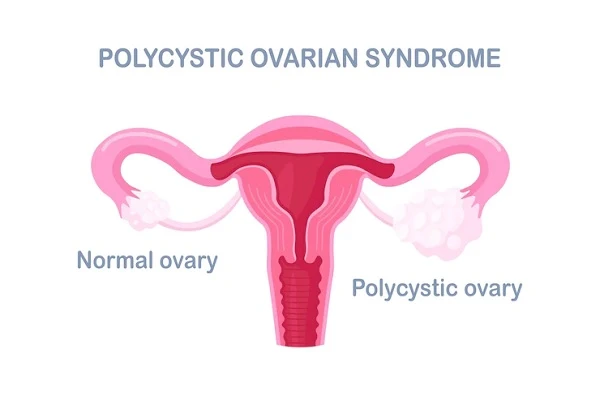
The relationship between Polycystic Ovary Syndrome (PCOS) and hair loss is complex. Excess androgen hormones, a hallmark of PCOS, can cause the hair follicles to become sensitive and miniaturize, leading to thinning and shedding of hair. This type of hair loss is a common occurrence in women with this condition. Additionally, the inflammation and insulin resistance often associated with PCOS can further exacerbate the issue, contributing to accelerated hair loss.
Identifying the underlying cause of hair loss is the first step in addressing the problem. Women with Polycystic Ovary Syndrome may experience diffuse hair thinning or bald spots, particularly around the temples and crown of the head. In addition to the physical impact, this hair loss can have a significant emotional and psychological toll, affecting a woman’s self-esteem and confidence. It’s important to seek medical attention to properly diagnose and manage Polycystic Ovary Syndrome and the associated hair loss.
What is Polycystic Ovary Syndrome?
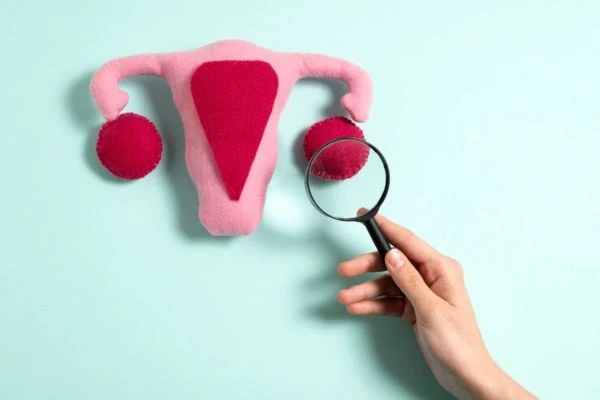
Polycystic Ovary Syndrome (PCOS) is a complex hormonal disorder that affects millions of women worldwide. One of the lesser-known but common symptoms of PCOS is hair loss. In fact, the relationship between Polycystic Ovary Syndrome and hair loss is quite strong, with many women with PCOS experiencing significant thinning or shedding of their hair.
Moreover, Polycystic Ovary Syndrome can have a significant impact on a woman’s self-esteem and emotional well-being, particularly when it comes to the distressing experience of hair loss. By exploring the relationship between these two conditions, we can help women with PCOS better understand their symptoms and find the support and resources they need to manage this challenging aspect of their health.
What is the relationship between Polycystic Ovary Syndrome and hair loss?
The relationship between Polycystic Ovary Syndrome and hair loss is primarily driven by the excess androgen hormones associated with the condition. Androgen hormones, such as testosterone, can cause the hair follicles to become sensitive and miniaturize, leading to thinning and shedding of hair. This type of hair loss, known as androgenetic alopecia or female pattern baldness, is a common occurrence in women with PCOS.
Additionally, the inflammation and insulin resistance often associated with PCOS can further exacerbate the issue, contributing to accelerated hair loss. This combination of hormonal imbalance and other metabolic factors can create a perfect storm for hair loss in women with Polycystic Ovary Syndrome.
It’s important to note that the severity of hair loss can vary greatly from one individual to another, and it may not always be the most prominent symptom of PCOS. However, for many women, the impact of hair loss can be significant, affecting their self-esteem, confidence, and overall quality of life.
Why does Polycystic Ovary Syndrome cause hair loss?
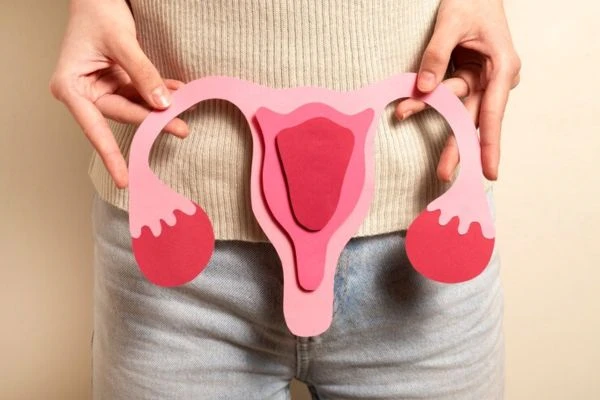
Polycystic ovary syndrome is linked to a rise in the male hormone levels called androgen. These high levels of androgens, such as testosterone, androstenedione, dihydrotestosterone, and dehydroepiandrosterone (DHEA-S), are responsible for hair thinning on the scalp experienced by women with PCOS.
A woman’s ovaries, adrenal glands, and fat cells naturally produce these “male hormones.” These hormones are integral in regulating puberty, menstruation, and estrogen conversion. In PCOS, the ovaries often produce excess androgens, creating a hormonal imbalance. This imbalance miniaturizes hair follicles, making hair thinner and more fragile.
Excess androgens also shorten the hair growth phase, increasing shedding and reducing new hair growth. Additionally, PCOS frequently involves insulin resistance, which worsens hormonal imbalances and accelerates hair loss. High insulin levels stimulate the ovaries to produce more androgens, perpetuating the cycle.
What happens when Polycystic Ovary Syndrome causes hair loss?
When Polycystic Ovary Syndrome (PCOS) causes hair loss, it is a direct result of the hormonal imbalances that occur in this condition. The damaged hair gradually loses thickness across its diameter. It shrinks in length, lightens in color, and fades in tone until it is no longer generated. This condition is also known as female-pattern hair loss, abbreviated as FPHL.
The hair loss and thinning begin at the crown of the head and then progressively. It spreads until it covers the majority of the entire top of the head. The scalp is now visible in certain lighting conditions. This hair loss can, over time, become severe and eventually lead to a state of near-baldness, particularly in women as they go through menopause.
The primary offender in this scenario is dihydrotestosterone (DHT), which connects to receptors in the scalp’s follicles. This causes them to contract and makes it difficult for wholesome hair to survive. This problem is made worse because the absence of ovulation has resulted in a deficiency of progesterone, which would ordinarily bind to the same receptors to avoid hair loss.
Treatments for hair loss due to polycystic ovary syndrome
Fortunately, there are various treatment options available that can help address the underlying hormonal imbalances and prevent further hair loss associated with PCOS. Let’s explore the key strategies you can use to manage this condition and restore healthy hair growth.
Hormonal therapy
- Birth control pills: Combination birth control pills that contain estrogen and progestin can help regulate androgen levels and prevent excessive hair loss.
- Anti-androgen medications: Drugs like spironolactone or flutamide can block the effects of androgens and slow down hair loss.
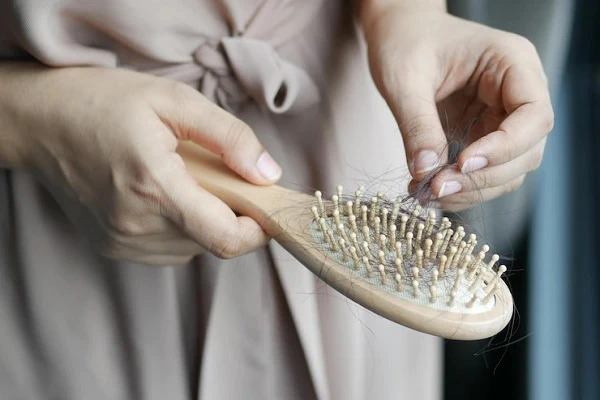
Insulin-sensitizing medications
- Metformin: This medication can help improve insulin sensitivity and reduce androgen production, thereby addressing the root cause of PCOS-related hair loss.
- Inositol supplements: Inositol, a naturally occurring compound, has been shown to improve insulin resistance and reduce androgen levels in women with PCOS.
Topical treatments
- Minoxidil: This over-the-counter medication can stimulate new hair growth. Minoxidil can slow down the progression of hair loss when applied directly to the scalp.
- Ketoconazole shampoo: Shampoos containing ketoconazole can help reduce inflammation and improve the health of the hair follicles.
Nutritional supplements
- Saw palmetto: This herb has anti-androgenic properties and may help block the effects of excess androgens on the hair follicles.
- Biotin: Biotin, or vitamin B7, is essential for healthy hair growth and can be supplemented to support hair health.
Lifestyle modifications
- Weight management: Maintaining a healthy weight and reducing insulin resistance through diet and exercise can help regulate hormone levels and prevent hair loss.
- Stress management: Chronic stress can exacerbate PCOS symptoms, including hair loss, so incorporating stress-reducing techniques like yoga, meditation, or counseling can be beneficial.
The most effective treatment approach often involves a combination of these strategies tailored to the person’s specific needs and the severity of their PCOS-related hair loss.
When should you consult a doctor for Polycystic Ovary Syndrome due to hair loss?
If you are experiencing sudden hair loss and have not been given an outside diagnosis, such as polycystic ovary syndrome. You should get inspected by either a healthcare professional or a dermatologist. Based on their findings, these medical professionals will be able to place you on the path of a specialist who can help you treat your condition.
The same applies to the symptoms and signs of polycystic ovary syndrome. Symptoms may include baldness, irregular periods, unintended weight gain, and increased acne. If you experience these, you should consult an ob-gyn for a precise diagnosis. A proper diagnosis is key to managing PCOS effectively.
For hair loss caused by PCOS, working with a team is crucial. This team may include an ob-gyn, dermatologist, or reproductive endocrinologist. Some patients feel frustrated when their providers overlook hair loss issues. Many people do not realize that dermatologists specialize in hair loss. They also have the most experience in treating this condition. You should try and go to the doctor if this is your case.
10 hair care tips for women with Polycystic Ovary Syndrome
When it comes to hair care for women with Polycystic Ovary Syndrome, there are several practical tips and advice that can help minimize hair loss and promote healthy hair growth. Here are some recommendations specifically for women dealing with PCOS:
1. Gentle hair care routine
Use a mild, sulfate-free shampoo and conditioner to avoid further damage to the hair. Gentle products can help maintain the health of the scalp and hair follicles.
2. Avoid heat styling
Limit the use of heat styling tools such as flat irons, curling irons, and blow dryers. Excessive heat can weaken the hair shaft and contribute to hair breakage.
3. Protect your hair
Use a heat protectant spray when heat styling your hair to minimize damage. Additionally, consider using a silk pillowcase to reduce friction and breakage while sleeping.
4. Regular trims
Schedule regular trims every 8-12 weeks to get rid of split ends and prevent further damage to the hair. Trimming helps maintain the overall health and appearance of your hair.
5. Scalp care
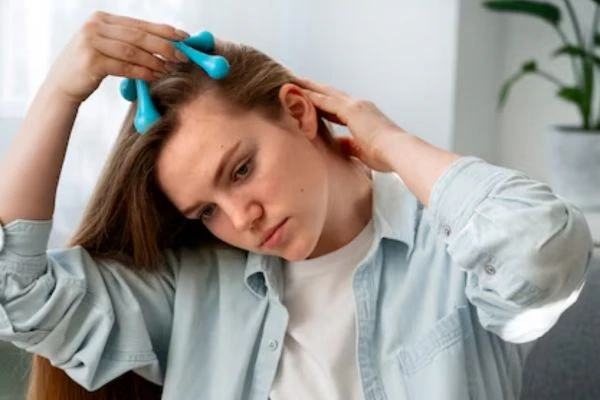
Keep your scalp healthy by gently massaging it regularly to improve blood circulation. A healthy scalp promotes hair growth and can help combat hair loss.
6. Balanced diet
Focus on a balanced diet rich in vitamins, minerals, and proteins that are beneficial for hair health. Include foods like leafy greens, nuts, seeds, fish, and eggs in your diet.
7. Stay hydrated
Drink an adequate amount of water daily to keep your body and hair hydrated. Proper hydration is essential for maintaining healthy hair growth.
8. Manage stress
Practice stress-reducing activities such as yoga, meditation, or deep breathing exercises. High stress levels can exacerbate hair loss, so it’s important to find healthy ways to manage stress.
9. Consult a healthcare professional
If you are experiencing significant hair loss or thinning, consult a healthcare provider specializing in hair health or Polycystic Ovary Syndrome. They can provide personalized recommendations and treatment options.
10. Supplements and treatments
Consider talking to your healthcare provider about supplements like biotin, iron, or zinc that may support hair health. Additionally, there are topical treatments available that can help promote hair growth.
Faq’s
What is Polycystic Ovary Syndrome and how does it affect hair loss?
PCOS is a hormonal disorder that causes an imbalance in androgen levels, often leading to hair loss. High androgens can shrink hair follicles, making hair thinner and more fragile. It can also shorten the growth phase of the hair cycle, causing increased shedding and reduced new hair growth.
What treatments are available for PCOS-related hair loss?
Treatments include anti-androgen medications, topical solutions like minoxidil, and dietary changes to manage insulin resistance. Consulting a dermatologist or endocrinologist can help determine the best approach.
Is Polycystic Ovary Syndrome hair loss permanent?
Hair loss from PCOS may become permanent if left untreated. However, with early and effective intervention, many people see significant improvement.
Conclusion
Understanding the relationship between Polycystic Ovary Syndrome and hair loss is essential for effective management. PCOS-related hair loss stems from hormonal imbalances, particularly elevated androgens, which can damage hair follicles and disrupt growth. Combined with other factors like insulin resistance and inflammation, this can lead to significant emotional and physical challenges for affected women. However, there is hope. By addressing the root causes through tailored treatments, lifestyle changes, and professional guidance, women with PCOS can regain control over their hair health and overall well-being. Early intervention and a holistic approach are key to mitigating the effects and improving quality of life.